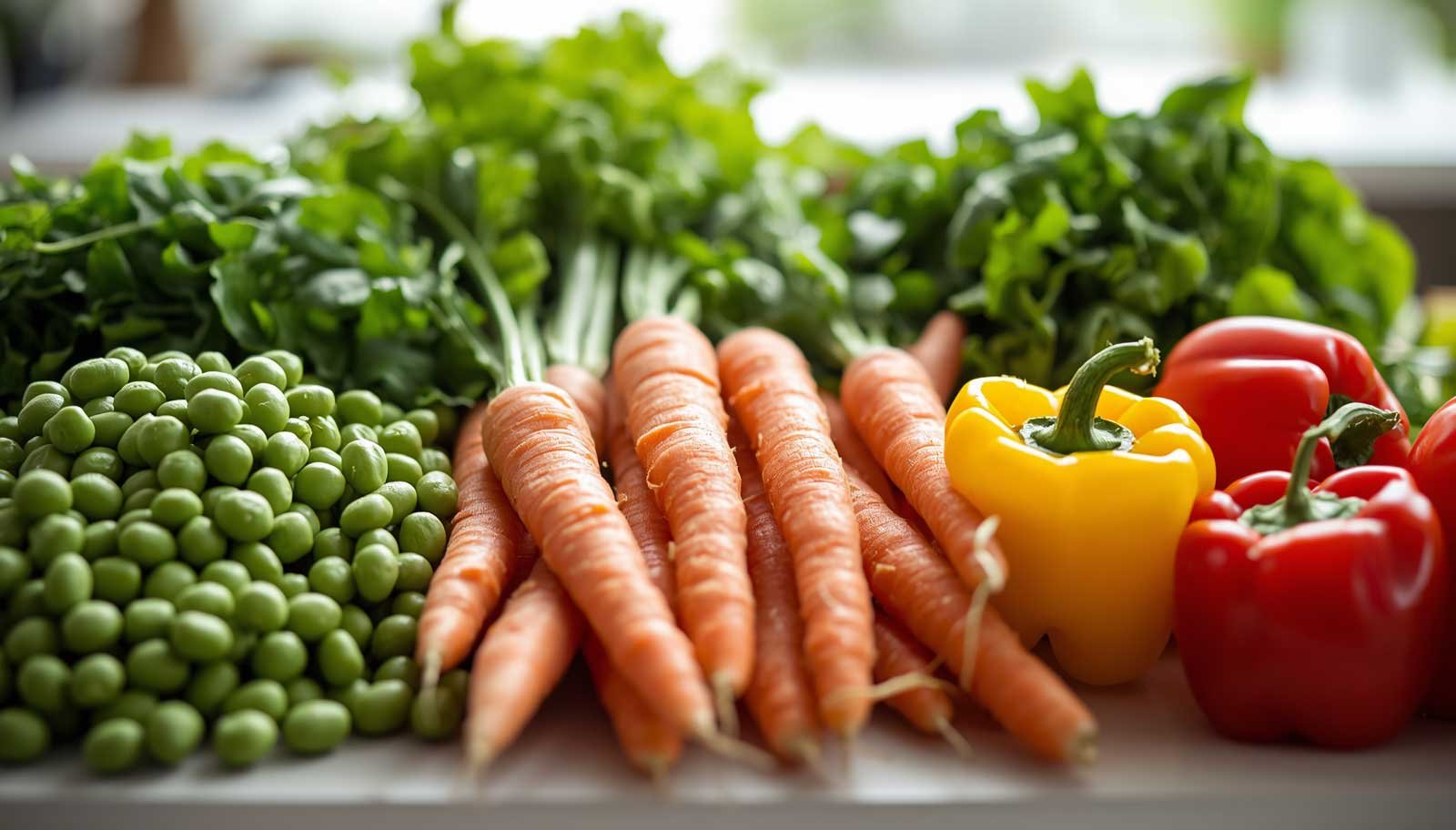
There is something satisfying about opening the freezer in the middle of winter and finding bags of vegetables you picked from your own garden months earlier. The bright green beans, sweet corn, tender peas, and colorful carrots are little reminders of summer, ready to turn an ordinary dinner into something fresh and comforting.
Freezing vegetables is one of the easiest ways to preserve a garden harvest without needing special canning equipment or a complicated preservation process. With a little preparation, you can save vegetables when they are at their best and enjoy them in soups, casseroles, stir-fries, and family meals throughout the colder months.
The secret is knowing which vegetables freeze well, when to blanch them, and how to package them so they retain as much flavor, color, and texture as possible.
Whether you grow a large vegetable garden or simply bring home more produce than you can use, this guide will walk you through the process of freezing fresh garden vegetables for winter.
Why Freezing Is a Great Way to Preserve Garden Vegetables
Freezing is convenient because it allows you to preserve vegetables without adding salt, sugar, or preservatives. When handled correctly, frozen vegetables can retain much of their original flavor, color, and nutritional value.
It also helps reduce food waste. Instead of watching an abundant harvest spoil because you cannot eat everything at once, you can prepare the extra vegetables and store them for later.
Here are a few reasons to make freezing part of your seasonal routine:
- Preserve peak freshness: Vegetables frozen soon after harvesting generally retain better quality than produce left sitting for several days.
- Save money: Your garden harvest can provide ingredients for winter meals, reducing the need to buy as much produce later.
- Make cooking easier: Frozen vegetables are already washed, trimmed, and portioned, which can save time on busy evenings.
- Reduce waste: Freezing gives you a practical way to use an abundant harvest before vegetables become overripe.
- Enjoy seasonal flavors year-round: Summer peas, green beans, corn, and other vegetables can become part of your winter cooking.
One important thing to remember is that freezing does not completely stop quality changes. Vegetables can lose texture or develop freezer burn if they are poorly prepared or stored. A few simple steps make a significant difference.
Which Garden Vegetables Freeze Best?
Most vegetables can be frozen, but some produce better results than others. Vegetables with high water content, such as lettuce and raw cucumbers, usually become soft and watery after thawing. They are generally better used fresh or preserved in other ways.
These garden favorites are particularly suitable for freezing.
Green Beans
Fresh green beans freeze beautifully when blanched first. They retain their green color and work well in soups, stews, casseroles, and simple vegetable side dishes.
Choose firm beans with smooth skins and no soft spots. Wash them, trim the ends, and cut them into the lengths you prefer.
Peas
Garden peas are ideal for freezing because their sweet flavor and tender texture can be preserved well when they are handled promptly.
Shell the peas, remove any damaged ones, and blanch them briefly before cooling and packing. Frozen peas are excellent for rice dishes, pasta, soups, and quick side dishes.
Sweet Corn
Sweet corn is one of the most rewarding vegetables to preserve. Freshly harvested corn has a naturally sweet flavor that gradually declines after picking, so it is best to process it soon after harvest.
You can freeze corn kernels or cut larger pieces from the cob, depending on how you plan to use them. Blanching is recommended for the best long-term quality.
Carrots
Carrots freeze well for cooked dishes such as soups, curries, stews, and casseroles. Peel them if desired, slice or dice them into even pieces, and blanch before freezing.
Frozen carrots will usually be softer than fresh carrots once thawed, so they are not the best choice for raw salads or crunchy snacks.
Broccoli and Cauliflower
Both vegetables can be frozen successfully after blanching. Cut them into evenly sized florets so they heat and cool consistently.
Broccoli works well in pasta, soups, stir-fries, and casseroles. Cauliflower is useful in curries, roasted vegetable dishes, and creamy soups.
Spinach and Other Leafy Greens
Spinach, kale, and similar greens can be frozen, although their texture changes after thawing. They are best used in cooked recipes rather than fresh salads.
Wash the leaves thoroughly, remove tough stems when necessary, and blanch them briefly. Drain and squeeze out as much excess water as possible before packing.
Bell Peppers
Bell peppers are especially easy to freeze. Wash, remove the seeds and stems, and cut them into strips or dice.
You can freeze them raw without blanching if you plan to use them in cooked dishes. Their texture becomes softer after freezing, but they remain useful in soups, sauces, stir-fries, and fajitas.
Zucchini and Summer Squash
Zucchini contains plenty of water, so freezing changes its texture. It works best in cooked dishes, such as soups, pasta sauces, casseroles, and quick breads.
Slice or grate it, blanch sliced pieces briefly, cool, and drain well. If freezing grated zucchini for baking, portion it into recipe-sized amounts and remove excess water when you use it.
The Secret to Better Frozen Vegetables: Blanching
Blanching is one of the most important steps when freezing many vegetables.
It involves briefly cooking vegetables in boiling water or steam, then cooling them rapidly in ice water. This process slows the enzymes that continue to affect flavor, color, and texture even at freezer temperatures.
Blanching also helps clean the surface of vegetables and can make some produce easier to pack.
Without blanching, many vegetables gradually develop dull colors, stronger or less pleasant flavors, and poorer texture during frozen storage.
However, not every vegetable needs this treatment. Bell peppers and onions, for example, can usually be frozen raw when intended for cooking.
How to Blanch Vegetables Properly
Step 1: Bring a large pot of water to a boil.
Use enough water to cover the vegetables comfortably. A large pot helps the water return to a boil quickly after you add the produce.
Step 2: Prepare an ice bath.
Fill a large bowl with cold water and plenty of ice. Keep it near the stove so you can transfer the vegetables immediately after blanching.
Step 3: Add the vegetables in small batches.
Avoid overcrowding the pot. Too many vegetables at once can lower the water temperature and result in uneven blanching.
Step 4: Follow the recommended blanching time.
Timing depends on the vegetable and the size of the pieces. Most vegetables need only a few minutes, but larger pieces may require longer.
Step 5: Cool immediately.
Transfer the vegetables to the ice bath as soon as the blanching time ends. Cool them for approximately the same amount of time they were blanched, or until they are thoroughly chilled.
Step 6: Drain thoroughly.
Spread the vegetables on a clean towel or use a salad spinner when appropriate. Removing excess water helps prevent large ice crystals and makes packaging easier.
For reliable results, follow tested blanching times from a trusted food preservation source, such as the National Center for Home Food Preservation.
Step-by-Step Guide to Freezing Fresh Garden Vegetables
Once you understand blanching, the rest of the process is straightforward.
Step 1: Harvest Vegetables at Their Best
The quality of your frozen vegetables starts in the garden.
Pick vegetables when they are mature but still tender. Green beans should be crisp, peas should be sweet and plump, and corn should be fresh and juicy.
Whenever possible, process vegetables soon after harvesting. If you cannot freeze them immediately, refrigerate them while you prepare your equipment and containers.
Avoid freezing vegetables that are moldy, rotten, badly bruised, or otherwise spoiled. Freezing does not make spoiled food safe.
Step 2: Wash and Sort Carefully
Rinse vegetables under clean running water to remove soil and debris. Do not use soap or household cleaning products on produce.
Remove damaged leaves, tough stems, roots, and any unwanted pieces. Sort vegetables by size so they cook evenly during blanching.
For vegetables such as broccoli and cauliflower, cut the florets into similar sizes. For carrots, aim for evenly sized slices or cubes.
Taking a few minutes to prepare everything properly will make the final result much better.
Step 3: Blanch the Vegetables That Need It
Use the appropriate blanching time for each vegetable. Avoid guessing, because underblanching may not adequately slow enzyme activity, while overblanching can soften vegetables too much.
Here are some approximate water-blanching times for common vegetables prepared in typical household-sized pieces:
| Vegetable | Approximate blanching time |
|---|---|
| Green beans | 3 minutes |
| Peas | 1½ minutes |
| Sweet corn kernels | 4 minutes |
| Carrot slices | 2 minutes |
| Broccoli florets | 3 minutes |
| Cauliflower florets | 3 minutes |
| Spinach | 2 minutes |
| Sliced zucchini | 3 minutes |
These times are general starting points. Piece size and preparation method matter, so check a tested preservation guide for the exact vegetable and cut you are freezing.
Bell peppers can generally be frozen raw for cooking, without blanching.
Step 4: Cool and Dry Completely
After blanching, move the vegetables into the ice bath to stop the cooking process.
Once they are cold, drain them thoroughly. Spread them over clean kitchen towels or paper towels and gently pat them dry.
This step is easy to overlook, but excess moisture can cause vegetables to freeze together in large clumps. It can also contribute to ice buildup inside the packaging.
Give leafy greens extra attention because they tend to hold water between the leaves.
Step 5: Freeze in a Single Layer
For vegetables you want to scoop out individually, tray freezing is particularly useful.
Spread the cooled, dried vegetables in a single layer on a parchment-lined baking sheet. Keep the pieces separated as much as possible, then place the tray in the freezer until the vegetables are firm.
Once frozen, transfer them to freezer-safe bags or containers.
This method works especially well for peas, corn kernels, diced peppers, broccoli florets, and carrot slices. It makes it easier to remove just the amount you need without thawing the entire batch.
You can skip this step for vegetables you intend to freeze in small, measured portions.
Step 6: Package in Convenient Portions
Choose packaging designed for freezer storage, such as freezer bags or airtight freezer-safe containers.
Divide the vegetables into amounts that suit your usual meals. For example, you might freeze enough peas for one family dinner or portion chopped peppers for a single batch of soup.
Press excess air from freezer bags before sealing. If using containers, leave the appropriate headspace recommended by the container manufacturer, especially if the contents contain liquid.
Avoid using thin bags that are not intended for freezing. They may allow moisture loss and make freezer burn more likely.
Step 7: Label and Date Everything
Write the vegetable name, preparation method, and freezing date on each package.
It is easy to forget whether a bag contains blanched green beans or sliced zucchini after a few months in the freezer.
You can also include the portion size to make meal planning easier. Arrange newer packages behind older ones so you use the older vegetables first.
At 0°F (-18°C) or below, properly prepared and packaged vegetables generally maintain good quality for about 8 to 12 months, although recommendations vary by vegetable and preparation method. They may remain safe longer if continuously frozen, but flavor and texture can gradually decline.
How to Freeze Vegetables Without Losing Flavor
A few small details can help your vegetables taste better when winter arrives.
Freeze them promptly. The sooner you preserve vegetables after harvesting, the better their quality is likely to be.
Avoid overcrowding the freezer. Leave space for cold air to circulate around newly packed food, especially while it is freezing. Once everything is solid, packages can be arranged more compactly.
Remove as much air as practical. Air inside the packaging encourages freezer burn, which causes dry, discolored patches and quality loss.
Use consistent portions. Smaller packages freeze more quickly and are easier to use without repeatedly opening a large bag.
Maintain a steady freezer temperature. Keep the freezer at 0°F (-18°C) or below and avoid leaving the door open for long periods.
Protect vegetables from temperature fluctuations. Frequent partial thawing and refreezing can damage texture and quality. Use suitable packaging and store vegetables where they will remain consistently frozen.
Do not thaw vegetables unnecessarily. Many frozen vegetables can go directly into soups, stews, casseroles, and other cooked dishes.
Should You Freeze Vegetables Raw or Blanched?
The answer depends on the vegetable and how you intend to use it.
Blanching is recommended for most vegetables intended for longer frozen storage because it slows enzyme activity and helps preserve quality. However, some vegetables can be frozen raw when their texture changes are acceptable.
| Vegetable | Best approach for most home freezing |
|---|---|
| Green beans | Blanch, cool, and dry |
| Peas | Blanch, cool, and dry |
| Corn | Blanch kernels or prepared pieces |
| Carrots | Blanch |
| Broccoli | Blanch |
| Cauliflower | Blanch |
| Spinach | Blanch, cool, and drain well |
| Bell peppers | Freeze raw for cooked dishes |
| Onions | Freeze raw, chopped, for cooking |
| Zucchini | Blanch slices; grate and portion for baking |
Freezing raw vegetables is convenient, but it is not the best choice for every crop. If you want to preserve a vegetable for several months, consult a tested guide for the recommended method.
How to Use Frozen Garden Vegetables in Winter
One of the best parts of freezing a garden harvest is how easily the vegetables fit into everyday cooking.
Add Them to Homemade Soups
Frozen carrots, peas, green beans, corn, and spinach can turn a basic soup into a filling winter meal.
Add sturdy vegetables early enough to cook through, and stir in delicate vegetables such as peas or spinach closer to the end.
Make Easy Stir-Fries
Frozen peppers, broccoli, and corn are useful for quick stir-fries. Cook them from frozen when appropriate, using a hot pan and avoiding overcrowding so excess moisture can evaporate.
Prepare Comforting Casseroles
Green beans, broccoli, cauliflower, and corn work well in baked dishes. Frozen vegetables may release some moisture, so drain them well after thawing if your recipe requires it.
Add Vegetables to Pasta and Rice
Peas, corn, spinach, and chopped peppers are easy additions to pasta, fried rice, pilafs, and grain bowls.
You can often add them directly from the freezer near the end of cooking, adjusting the cooking time as needed.
Make Simple Winter Side Dishes
Serve cooked green beans with garlic and olive oil, season carrots with butter and herbs, or add peas to a warm rice dish.
Frozen vegetables may be softer than freshly cooked garden produce, but thoughtful seasoning and the right cooking method can still make them delicious.
Common Mistakes to Avoid When Freezing Vegetables
Skipping Blanching for Vegetables That Need It
Many vegetables contain enzymes that continue affecting quality in the freezer. For vegetables that require blanching, skipping this step can lead to poor color, flavor, and texture over time.
Freezing Wet Vegetables
Excess surface water encourages ice formation and causes pieces to freeze together. Drain and dry vegetables thoroughly before packaging.
Packing Everything into One Large Bag
A large frozen block is inconvenient when you only need a handful of peas or a cup of corn. Portion vegetables according to the meals you usually prepare.
Using Ordinary Storage Bags
Thin bags may not provide enough protection against moisture loss and freezer odors. Use packaging intended for freezer storage.
Forgetting to Label Packages
Unlabeled bags can become difficult to identify after several months. Always include the vegetable name and date.
Expecting Every Vegetable to Stay Crisp
Freezing changes the structure of many vegetables, especially those with high water content. Frozen produce is generally best for cooking rather than eating raw.
Leaving the Freezer Door Open During Loading
A large batch of warm or room-temperature packages can raise the freezer temperature. Work in manageable batches and return prepared vegetables to the freezer promptly.
A Little Summer in the Freezer
Freezing fresh garden vegetables is a simple way to make the most of your harvest and bring seasonal ingredients into winter cooking. With careful preparation, proper blanching where needed, good packaging, and a consistently cold freezer, you can keep a useful supply of vegetables ready for everyday meals.
Start with a small batch of your favorite crop. Freeze a few bags of peas, prepare some green beans, or save sweet corn while it is still at its best. Label everything clearly and build your supply gradually as the garden produces more.
When the days grow colder, those little packages will be ready to help you make a comforting soup, a quick stir-fry, or a hearty family dinner. Each one is a practical reminder that a little planning during harvest season can make winter cooking easier, more affordable, and full of flavor.