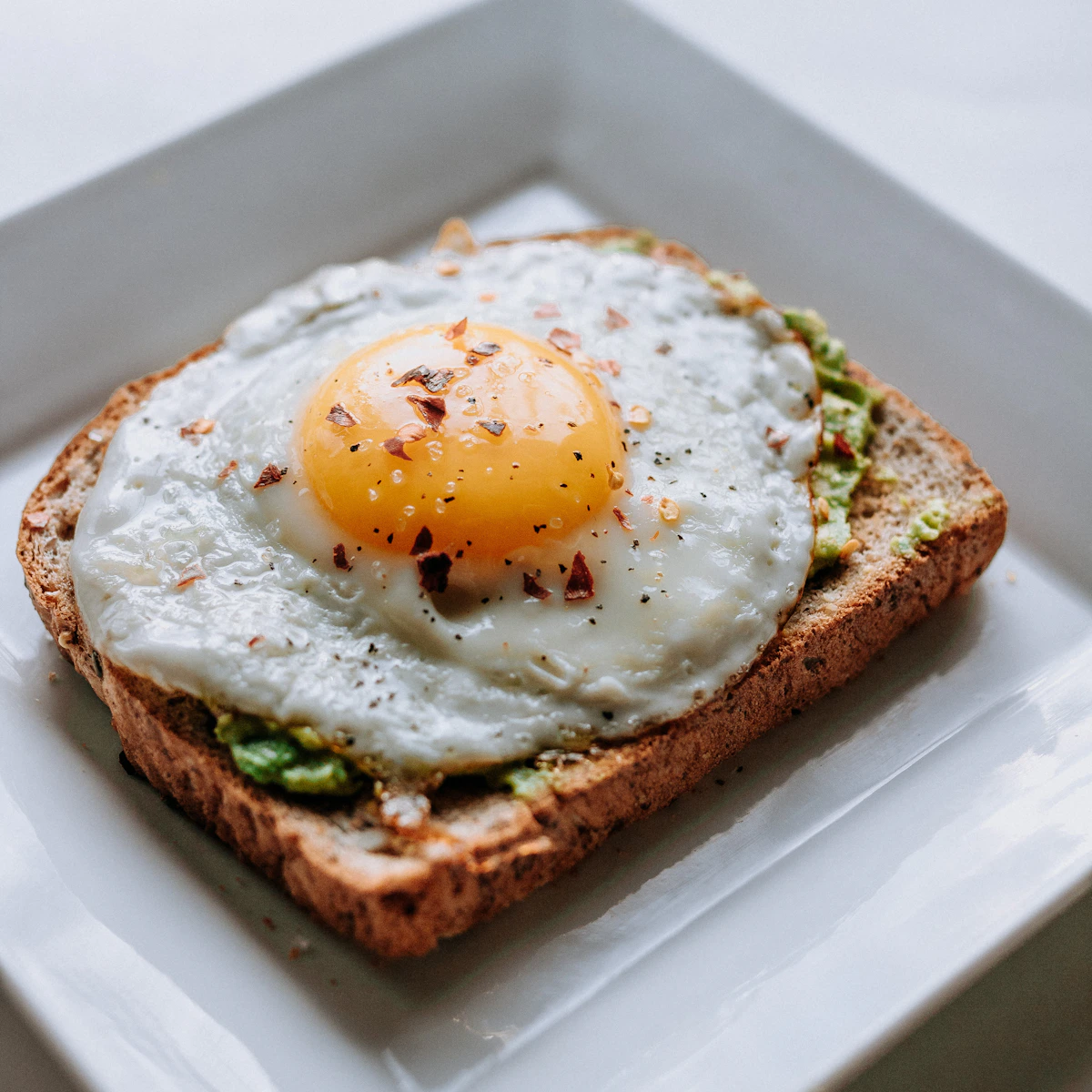
There are scrambled eggs cooked quickly over high heat into firm, dry rubbery curds—and then there are true French scrambled eggs (œufs brouillés). Soft, custardy, and luxurious, classic French eggs are cooked over low, gentle heat with plenty of cold butter, transforming into a velvety, spoonable curd reminiscent of rich cheese fondue.
Mastering this technique is one of the rites of passage of classical culinary training, yet it requires nothing more than fresh pasture-raised eggs, patience, a small nonstick or saucier pan, and a silicone spatula. Finished with a spoonful of crème fraîche, a shower of finely snipped garden chives, and served atop toasted buttered brioche, it turns breakfast into a tranquil morning meditation.
The Physics of the Custard Curd: Why Low Heat is Non-Negotiable
Egg proteins (ovalbumin) begin coagulating at approximately 144°F (62°C). When exposed to aggressive direct burner heat, the protein strands tighten violently like stretched rubber bands, squeezing out all water and leaving the eggs dry, weeping, and rubbery.
By cooking over the lowest possible heat and stirring continuously, the egg proteins form microscopic, delicate curds suspended in liquid cream. The residual heat cooks the eggs so gently that they remain permanently custardy, moist, and luxurious.
Slow-Cooked French Scrambled Eggs with Chives
Ingredients
7 itemsInstructions
9 steps-
01
Whisk the Eggs: Crack the eggs into a medium bowl. Whisk thoroughly with a fork or balloon whisk for 60 seconds until completely uniform, smooth, and aerated, with no distinct egg white strands remaining. Season with fine sea salt.
-
02
Start in a Cold Pan: Pour the whisked eggs into a cold, heavy-bottomed small nonstick saucepan or saucier. Add 2 tablespoons of cold cubed butter directly into the eggs.
-
03
Gentle Low Heat: Place the pan over low heat. Begin stirring immediately and continuously with a heat-proof silicone spatula, scraping the bottom and sides in gentle figure-eight motions.
-
04
The Heat Dance (On and Off the Burner): For the first 4 to 5 minutes, it will look like nothing is happening as the butter slowly melts into the eggs. As the pan warms, tiny, velvety curds will begin forming. If the eggs begin cooking too quickly, lift the pan 2 inches above the burner for 20 seconds while continuing to stir vigorously, then return to heat.
-
05
Watch for the “Porridge” Stage: After 8 to 10 minutes, the eggs will thicken into a rich, creamy custard with tiny, soft curds (similar in consistency to warm polenta or oatmeal).
-
06
Stop Cooking with Crème Fraîche: The instant the eggs reach a soft, creamy, barely set custard, pull the pan completely off the heat. Immediately stir in the remaining 1 tablespoon of cold butter and the 1 tablespoon of cold crème fraîche. The cold dairy drops the pan temperature instantly, halting carryover cooking and locking in the silky texture.
-
07
Plate and Garnish: Spoon the velvety eggs immediately onto warm plates or directly atop toasted buttered brioche. Shower with freshly snipped chives, a twist of white pepper, and a tiny pinch of flaky sea salt. Serve immediately with a warm café au lait.
Chef’s Notes
-
08
Never Stop Stirring: Constant movement with the spatula is what prevents large, dry curds from forming. Treat it like a gentle hand-whipped custard.
-
09
The Double Boiler Method: If your stove burners are too aggressive even on low, place a heat-proof glass bowl over a pot of barely simmering water (a bain-marie) and cook the eggs in the bowl with absolute gentle control.
Frequently Asked Questions
Can I add cheese to French scrambled eggs?
Yes. A tablespoon of finely grated Gruyère, Comté, or creamy goat cheese stirred in with the crème fraîche at the very end melts smoothly into the custard.
Why white pepper?
French chefs traditionally use white pepper in eggs to preserve the clean, sunny yellow aesthetic of the dish without black flecks, though fresh black pepper is equally delicious!