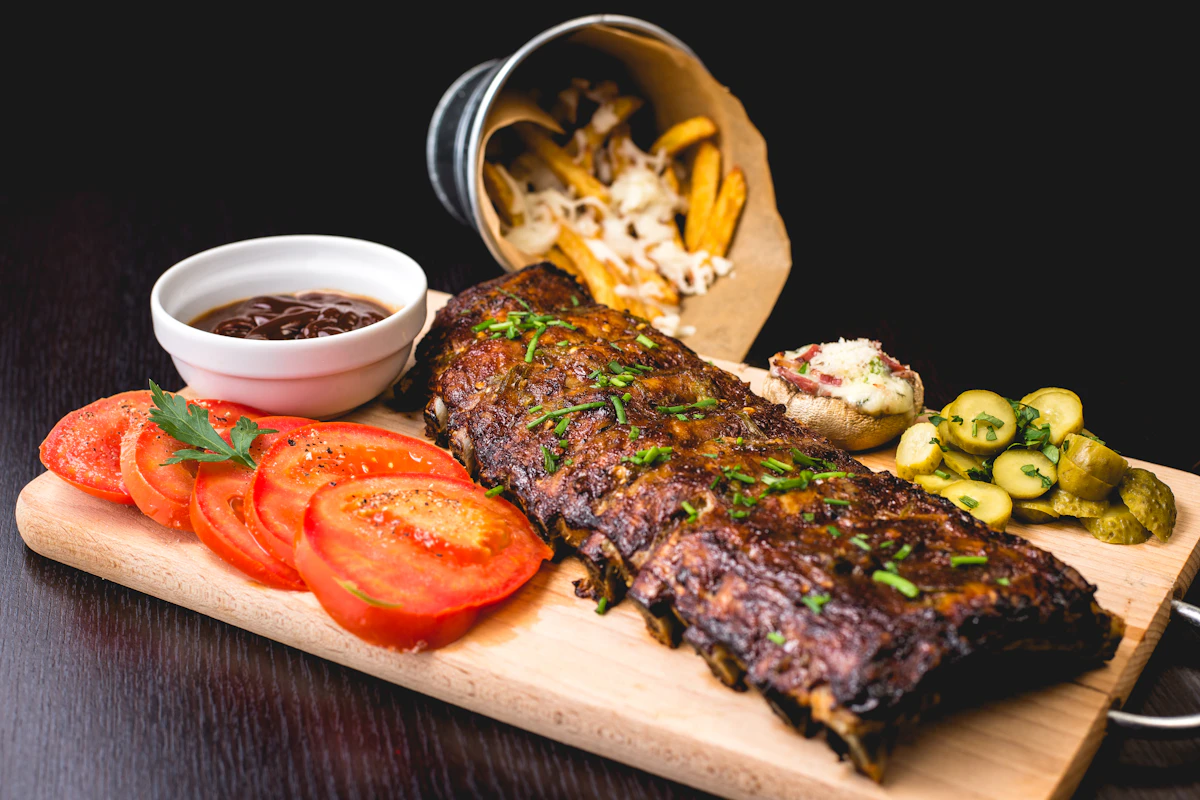
You have spent hours selecting the perfect cut of meat, seasoning it generously with sea salt and fresh herbs, and monitoring its internal temperature in a hot oven or over charcoal embers. When you lift the roast from the pan, its crust is sizzling, mahogany-brown, and intensely fragrant. The temptation to carve into it immediately is overwhelming. Yet cutting into a steak or roast straight out of the heat is the single most common mistake in home cooking?”a momentary lapse in patience that drains away up to thirty percent of the meat’s succulent natural juices across your cutting board.
Resting meat after cooking is not a culinary ritual born of superstition; it is an essential thermodynamic physical process governed by the laws of protein chemistry and fluid dynamics. Understanding what occurs at a cellular level inside a cut of beef, pork, or poultry as it rests transforms good cooking into exceptional cooking. Here is the science behind why resting meat is non-negotiable and how to execute it perfectly every single time.
What Happens Inside Meat When It Cooks?
To understand why meat needs to rest, we must first look at what happens when meat absorbs heat:
- Muscle Fibers Contract: Meat consists of long muscle fibers packed with water and bounded by connective tissue (collagen). As the temperature climbs past 120°F (49°C), protein fibers tighten and squeeze together like a clenched fist.
- Moisture Migrates Toward the Center: The intense exterior heat pushes internal water away from the hot surface toward the cooler center of the roast, creating intense internal hydraulic pressure.
- Liquid Becomes Low-Viscosity: Hot juices thin out and flow rapidly. If you slice into the meat while internal pressure is high and juices are thin, they gush out uncontrollably, leaving the muscle dry, stringy, and gray.
The Thermodynamic Magic of Resting
When you remove the meat from heat and place it on a warm carving board, two critical chemical processes unfold:
1. Pressure Relaxes & Liquids Redistribute
As the exterior edges cool slightly, muscle fibers relax from their tight contraction. The trapped juices that were concentrated under pressure in the core slowly flow back outward, saturating every cellular crevice evenly from center to edge. When you finally slice the rested meat, the juices remain locked within each bite rather than puddling on the wood.
2. Gelatin Viscosity Thickens the Juices
As internal temperature stabilizes and begins a gentle decline, the melted collagen and natural fats thicken. Warm, viscous juices cling tightly to protein fibers like a natural glaze. A steak rested for 8 to 10 minutes retains nearly double the liquid moisture compared to one cut immediately.
Understanding Carryover Cooking
When a roast leaves the oven, cooking does not stop immediately. Heat stored in the dense outer crust continues traveling inward toward the center?”a phenomenon known as carryover cooking.
- Small Steaks & Chops: Rise by 3°F to 5°F during resting. Remove them when they are 3°F to 5°F below your target temperature.
- Medium Roasts (Pork Loin, Whole Chicken): Rise by 5°F to 10°F while resting on the counter.
- Large Roasts (Standing Rib Roast, Leg of Lamb, Whole Turkey): Can rise by a staggering 10°F to 15°F over a 20-to-30 minute rest. Pull large roasts 10°F before your target internal temperature.
Resting Time Guidelines by Cut
Follow this handy resting chart based on weight and thickness for optimal tenderness:
| Meat Cut & Thickness | Resting Location | Optimal Resting Time |
|---|---|---|
| Seared Steak / Pork Chop (1 to 1.5 in) | Cutting board or wire rack, loose foil tent | 6 to 8 minutes |
| Thick Bone-In Ribeye / T-Bone | Warm plate or board, loose foil | 10 to 12 minutes |
| Whole Roasted Chicken | Carving board, open air or light tent | 15 to 20 minutes |
| Pork Loin / Beef Tenderloin | Carving board with juice groove | 15 to 20 minutes |
| Prime Rib / Leg of Lamb / Turkey | Warm platter, tented foil | 25 to 35 minutes |
The Crucial “Tent, Never Wrap” Rule
A frequent mistake home cooks make is wrapping hot meat tightly in aluminum foil. Tightly wrapped foil traps ascending steam, which condenses into water droplets that soften and ruin your crisp, seared crust. Instead, always fold foil loosely into an inverted “V” shape (a tent) placed over the meat. This allows excess steam to escape gently while preventing cool drafts from chilling the roast.
How to Reheat or Serve Rested Meat Hot
Some cooks worry that resting meat means serving cold meat. In reality, a well-rested steak or roast remains thoroughly warm inside because thick proteins have enormous thermal mass. To ensure a piping-hot exterior experience:
- Preheat Your Dinner Plates: Warm ceramic serving plates in a 150°F oven or rinse under hot water and wipe dry. Cold plates sap heat faster than resting ever could.
- Pour Warm Pan Juices: Any juices collected in the board’s groove can be whisked into your warm au jus, gravy, or pan butter and drizzled over slices immediately before serving.
- The Flash Sizzle Trick: For steaks, after resting, you can pour a tablespoon of bubbling browned butter over the carved slices just as they hit the table.
Culinary mastery is not simply about high heat and bold seasonings; it is about respecting the biological cadence of food. By granting your roasted meats the time to rest, you honor the ingredients, lock in unparalleled juiciness, and deliver a truly memorable dining experience.