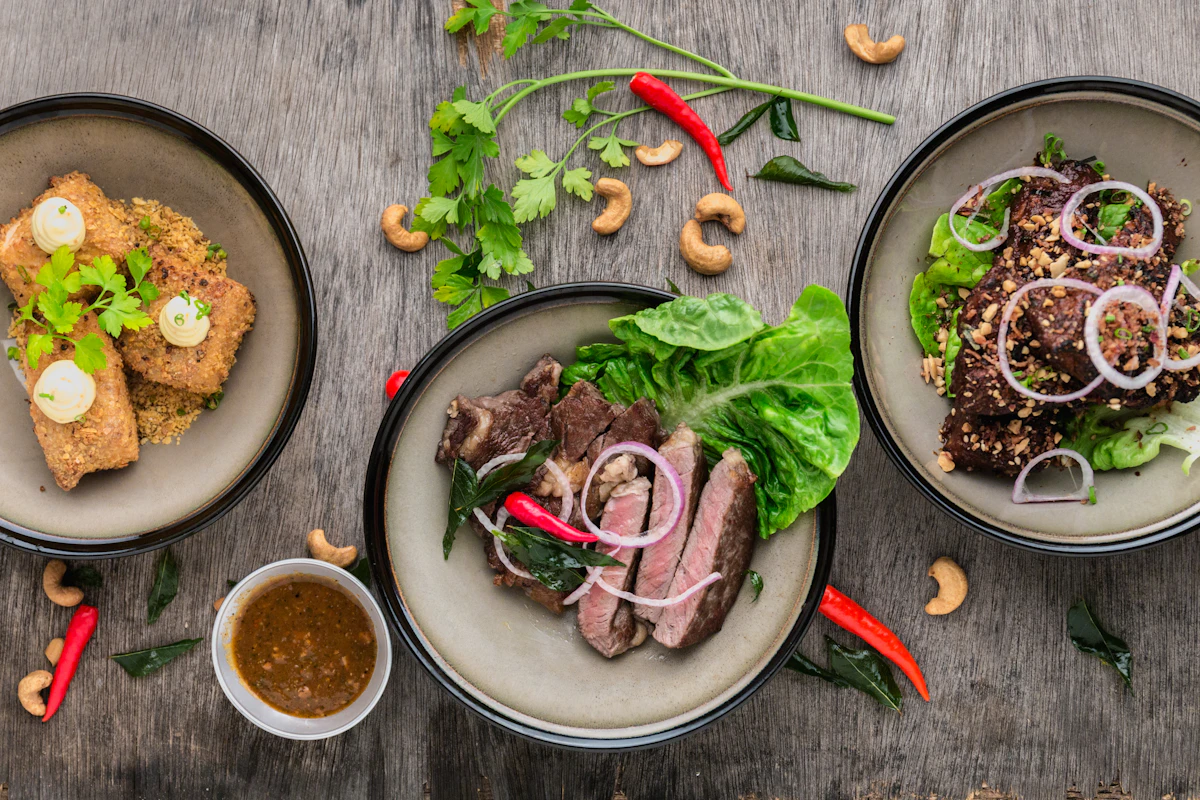
Few farm-to-table culinary experiences rival the rich, savory luxury of perfectly prepared duck breast. With its deep ruby-red meat, succulent marbling, and thick layer of flavorful subcutaneous fat, duck has the heartiness of prime dry-aged steak paired with the delicate poultry tenderness of poultry. When cooked with proper culinary technique, the skin renders down into an ultra-crisp, golden crackling while the interior remains juicy, melting, and rosy pink.
To cut through the natural richness of the duck fat, classic French culinary wisdom pairs duck with tart, fruit-forward pan reductions. This Pan-Seared Duck Breast with Cherry Port Sauce pairs crisp seared breasts with a lustrous pan sauce made from fresh pitted sweet cherries, ruby port wine, shallots, fresh thyme, and cold mounted butter. Ready in under 30 minutes, it is the ultimate romantic dinner or special weekend feast.
The Cold-Pan Technique: The Secret to Crispy Duck Skin
Unlike cooking a steak or chicken breast”which goes into a screaming-hot pan to sear”cooking duck breast requires starting in a completely cold cast iron skillet over low heat. Here is why the cold-pan method is non-negotiable:
- Slow Fat Rendering: Duck breast has a thick layer of fat beneath the skin. If placed into a hot pan, the outer surface burns before the internal fat has time to melt, leaving you with chewy, flabby skin.
- Cross-Hatch Scoring: Scoring the skin in a 1/4-inch diamond pattern with a razor-sharp knife allows the melting fat to flow out freely into the pan while preventing the meat from curling. Cut through the fat only”never score into the red meat below!
- Gentle Heat Control: As the pan slowly warms over medium-low heat, the fat liquefies and gently fries the skin in its own natural juices for 10 to 12 minutes until paper-thin and shatteringly crisp.
The Liquid Gold: Saving Rendered Duck Fat
Never discard the liquid fat that collects in your skillet! Pure rendered duck fat is considered by professional chefs to be the finest cooking medium on earth. Strain the clear golden fat into a glass jar and keep it in your refrigerator for up to six months. Use it to roast potatoes, fry eggs, sauté mushrooms, or sear root vegetables for incomparable savory richness.
Ingredients You’ll Need
Quality farm-raised duck and seasonal orchard fruit:
The Duck Breasts
- Boneless Duck Breasts: Two large Moulard or Pekin duck breasts (about 12 to 14 ounces each).
- Coarse Sea Salt & Black Pepper: Seasoned generously on both sides.
The Cherry Port Reduction Sauce
- Fresh Sweet Cherries: One and a half cups of fresh dark sweet cherries, pitted and halved (or frozen dark cherries).
- Ruby Port Wine: Half a cup of rich ruby port wine (or full-bodied red wine like Cabernet).
- Low-Sodium Chicken or Duck Broth: Half a cup.
- Shallot: One large shallot, finely minced.
- Fresh Thyme: Three sprigs of fresh thyme.
- Balsamic Vinegar: One tablespoon of aged balsamic vinegar for tart brightness.
- Unsalted Butter: Two tablespoons of ice-cold butter, cubed.
Step-by-Step Cooking Instructions
Follow these foolproof steps for a masterclass in poultry:
Step 1: Score & Season
Pat duck breasts completely dry with paper towels. Using a sharp chef’s knife or utility razor, score the skin in a diagonal cross-hatch diamond pattern (cuts 1/4 inch apart), taking care not to pierce the red flesh. Season both sides generously with coarse sea salt and freshly cracked black pepper.
Step 2: The Cold Pan Render
Place duck breasts skin-side down in a cold, dry, unheated cast iron skillet. Place the skillet over medium-low heat. As the pan warms, you will hear a gentle sizzle. Cook undisturbed for 10 to 12 minutes, occasionally tilting the pan to spoon away excess rendered liquid fat into a glass jar. The skin will transform into a deep mahogany-gold and become paper-thin and crisp.
Step 3: Flip and Finish
Flip the duck breasts flesh-side down. Cook for 3 to 4 minutes until the meat is browned and an instant-read thermometer inserted into the thickest part reads 130°F (54°C) for a classic medium-rare blush. Transfer duck breasts to a warm cutting board, skin-side up (to preserve crunch), and tent loosely with foil to rest for 8 minutes.
Step 4: Build the Cherry Port Reduction
Pour off any remaining fat from the skillet, leaving 1 tablespoon of drippings. Place pan over medium heat. Add minced shallots and cook for 2 minutes until soft. Add halved cherries and thyme sprigs; cook for 1 minute. Pour in the ruby port wine and balsamic vinegar, scraping up any browned fond from the pan. Simmer vigorously for 3 minutes until liquid reduces by half.
Step 5: Mount with Cold Butter
Pour in the chicken broth and simmer for 2 minutes until cherries are tender and sauce is glossy. Remove pan from heat. Discard thyme sprigs. Whisk in the cold cubed butter one piece at a time until the sauce becomes silky, luxurious, and coats the back of a spoon. Season with a pinch of sea salt and pepper.
Step 6: Carve and Serve
Slice rested duck breasts on a slight bias into 1/2-inch thick slices. Fan slices artfully across warm dinner plates. Spoon the warm cherry port sauce and tender fruit around and over the meat. Serve with roasted garlic mashed potatoes or buttered wild rice.
Pan-Seared Duck Breast with Cherry Port Sauce
Ingredients
10 itemsInstructions
7 steps-
01
Score duck skin in a 1/4-inch diamond cross-hatch without cutting into the flesh. Season thoroughly with salt and pepper.
-
02
Place duck breasts skin-side down in a cold cast-iron skillet over medium-low heat. Cook for 10-12 minutes, pouring off rendered fat, until skin is deeply browned and crisp.
-
03
Flip and cook flesh-side down for 3-4 minutes until internal temperature reaches 130°F (54°C). Transfer to a plate skin-side up and rest for 8 minutes.
-
04
Pour off excess fat from pan, leaving 1 tablespoon. Add shallot; cook 2 minutes. Add cherries and thyme sprigs.
-
05
Add port wine and balsamic vinegar; simmer 3 minutes until reduced by half. Add broth; simmer 2 minutes.
-
06
Remove from heat, discard thyme, and whisk in cold butter until glossy. Season to taste.
-
07
Slice duck breasts on the bias, arrange on plates, and spoon warm cherry port sauce over top.
Chef's Notes & Tips
- Duck Fat Storage: Pour rendered duck fat through a fine-mesh strainer into a clean mason jar and refrigerate. Use for the crispiest roast potatoes of your life!
- Wine Substitution: If port is unavailable, use a fruit-forward Pinot Noir or Zinfandel with 1 teaspoon of honey added.