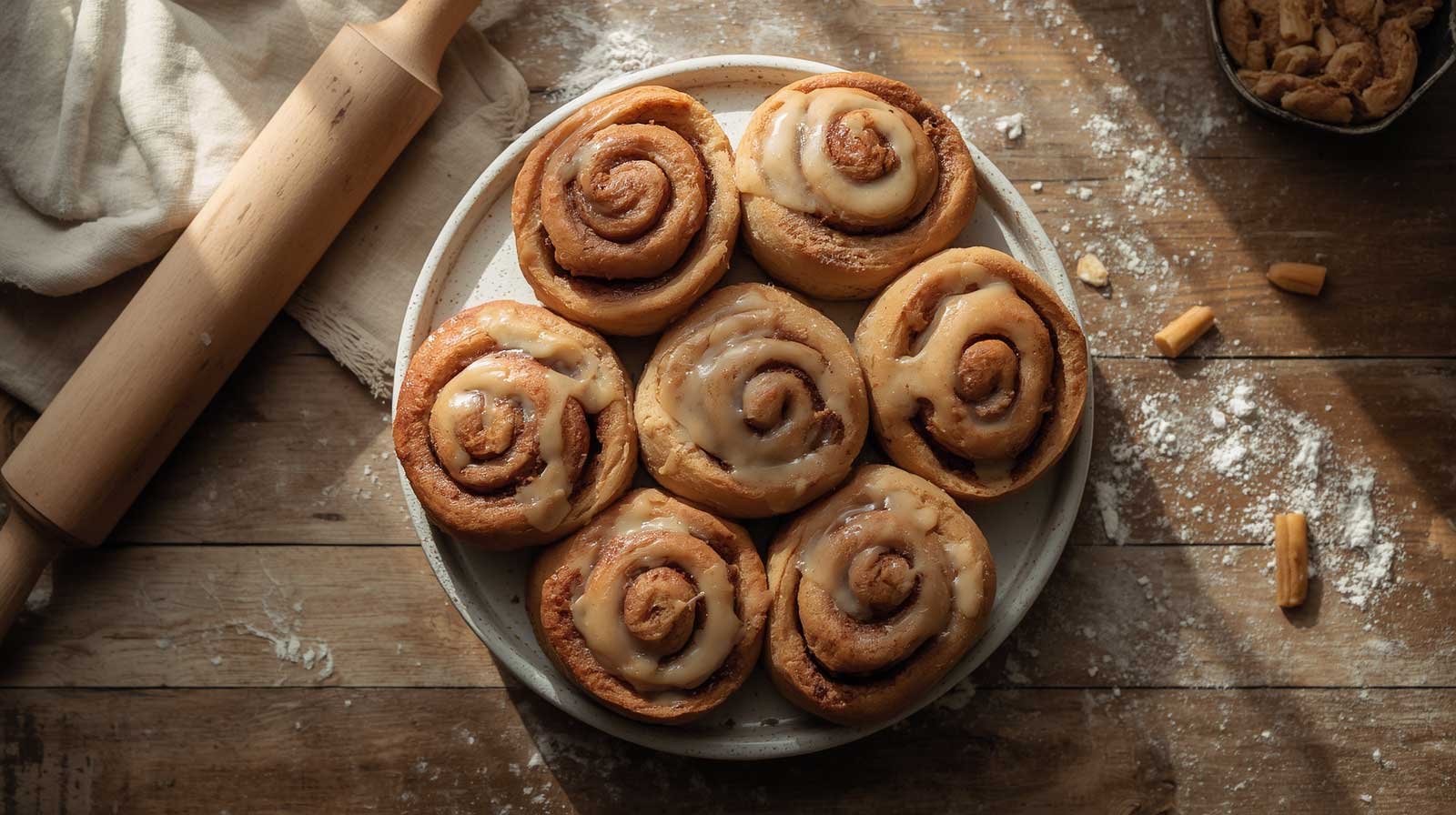
There is nothing quite like waking up to the smell of warm cinnamon rolls baking in the oven. The soft dough, buttery cinnamon filling, and sweet cream cheese frosting make an ordinary morning feel a little more special.
The only problem with homemade cinnamon rolls is that they usually take a good part of the morning to prepare. Between mixing the dough, waiting for it to rise, rolling it out, and letting the rolls proof again, breakfast can take longer than expected.
That is where these overnight cinnamon rolls come in handy. You prepare the dough, fill it with cinnamon sugar, roll it up, and arrange the slices in a baking dish the night before. After a slow rise in the refrigerator, the rolls are ready to bake the next morning.
All you need to do is let them sit at room temperature while the oven heats, bake until golden, and spread the warm rolls with homemade cream cheese frosting. The result is a batch of soft, fluffy cinnamon rolls with a gooey center and plenty of cinnamon flavor.
Whether you are planning a holiday breakfast, a weekend brunch, or simply want a homemade treat without waking up early, this recipe is worth keeping close.
Why You’ll Love These Overnight Cinnamon Rolls
- Prepare them the night before: Most of the work is done before bedtime.
- Soft and fluffy dough: Milk, butter, and eggs create tender cinnamon rolls.
- A rich cinnamon filling: Brown sugar and cinnamon melt into a sweet, buttery center.
- Fresh breakfast without the early start: Bake the rolls in the morning and serve them warm.
- Cream cheese frosting: A smooth, slightly tangy topping balances the sweet filling.
- Great for special occasions: These rolls are perfect for Christmas morning, Thanksgiving brunch, birthdays, or a relaxed Sunday breakfast.
Ingredients You’ll Need
The ingredients are simple, but using them in the right proportions makes a big difference in the texture of the rolls.
For the Dough
- 3/4 cup whole milk, warmed to about 100°F to 110°F (38°C to 43°C)
- 2 1/4 teaspoons active dry yeast, one standard packet
- 1/4 cup granulated sugar
- 1 large egg, at room temperature
- 1 large egg yolk, at room temperature
- 1/4 cup unsalted butter, melted and slightly cooled
- 3 1/2 cups all-purpose flour, plus a little extra if needed
- 3/4 teaspoon salt
Whole milk gives the dough a soft, rich texture. Make sure the milk is warm rather than hot. Milk that is too hot can damage the yeast and prevent the dough from rising properly.
For the Cinnamon Filling
- 1/2 cup packed light brown sugar
- 1 1/2 tablespoons ground cinnamon
- 1/4 cup unsalted butter, softened
- Pinch of salt
Softened butter spreads more easily across the dough. Brown sugar adds a deeper flavor and creates a deliciously sticky filling as the rolls bake.
For the Cream Cheese Frosting
- 4 ounces cream cheese, softened
- 2 tablespoons unsalted butter, softened
- 3/4 cup powdered sugar
- 1/2 teaspoon vanilla extract
- 1 to 2 tablespoons milk, as needed
For a thicker frosting, start with less milk. You can always add a little more until it reaches your preferred consistency.
How to Make Overnight Cinnamon Rolls
Step 1: Activate the Yeast
Pour the warm milk into a large mixing bowl. Add the active dry yeast and a teaspoon of the measured sugar.
Stir gently and let the mixture sit for about 5 to 10 minutes. It should become foamy or bubbly on the surface.
If the mixture does not show signs of activity, check the expiration date on the yeast and make sure the milk was not too hot or too cold. It is better to resolve the issue before adding the remaining ingredients.
If you are using instant yeast, you can mix it directly with the dry ingredients, although following the package instructions is always a good idea.
Step 2: Mix the Dough
Add the remaining sugar, egg, egg yolk, melted butter, flour, and salt to the yeast mixture.
Mix with a wooden spoon or a stand mixer fitted with a dough hook until a rough dough forms.
The dough should look soft and slightly sticky. If it is extremely wet and difficult to handle, add flour one tablespoon at a time. Avoid adding too much, as excess flour can make the finished cinnamon rolls dense.
Step 3: Knead Until Smooth
Knead the dough for about 8 to 10 minutes by hand or 5 to 7 minutes in a stand mixer on low to medium-low speed.
The dough should become smooth, elastic, and soft. It may stick slightly to your fingers, but it should not feel like a loose batter.
To check whether it is ready, gently stretch a small piece of dough. If it stretches thinly before tearing, it has developed enough gluten for a tender, fluffy texture.
Shape the dough into a ball.
Step 4: Let the Dough Rise
Place the dough in a lightly greased bowl and turn it once so the surface is coated with a little oil or butter.
Cover the bowl with a clean kitchen towel or plastic wrap. Let the dough rise in a warm place for about 60 to 90 minutes, or until it has noticeably increased in size.
The exact time depends on the temperature of your kitchen and the activity of your yeast.
This first rise helps develop the structure of the dough before you roll and fill it.
Step 5: Make the Cinnamon Filling
While the dough rises, combine the brown sugar, cinnamon, and pinch of salt in a small bowl.
Keep the softened butter nearby. You will spread it over the dough before adding the cinnamon sugar.
If you enjoy a stronger cinnamon flavor, you can add another teaspoon of cinnamon. Just avoid adding too much filling, as excess sugar can leak out and burn around the edges of the pan.
Step 6: Roll Out the Dough
Once the dough has risen, transfer it to a lightly floured work surface.
Roll it into a rectangle about 16 by 12 inches. Try to keep the thickness even so the rolls bake at roughly the same rate.
Spread the softened butter over the dough, leaving a small border along one long edge.
Sprinkle the cinnamon sugar mixture evenly over the buttered surface. Gently press the filling into the dough so it stays in place as you roll.
Step 7: Roll and Cut the Cinnamon Rolls
Starting from one long edge, roll the dough into a log. Keep the roll snug enough to hold its shape, but avoid pulling the dough so tightly that the filling gets squeezed out.
Pinch the seam closed.
Use a sharp knife or unflavored dental floss to cut the log into 12 equal pieces. Dental floss can make particularly neat cuts without flattening the soft dough.
Arrange the rolls in a greased 9-by-13-inch baking dish, leaving a little space between them for expansion.
Step 8: Refrigerate Overnight
Cover the baking dish tightly with plastic wrap or a fitted lid.
Place the rolls in the refrigerator overnight, ideally for about 8 to 12 hours.
During this time, the dough rises slowly and develops flavor. The rolls may become slightly larger in the refrigerator, but they do not necessarily need to double in size overnight.
Important tip: Refrigerate the rolls promptly after shaping rather than leaving them out for several hours first. If your refrigerator is warmer than 40°F (4°C), the dough may rise too quickly.
Step 9: Let the Rolls Warm Up in the Morning
The next morning, remove the baking dish from the refrigerator and take off the cover.
Let the rolls sit at room temperature for about 45 to 90 minutes, depending on how much they rose overnight and how warm your kitchen is.
They should look puffy and fill more of the spaces between them. If they still look dense and small, give them more time.
While the rolls finish proofing, preheat the oven to 350°F (175°C).
Do not rely on the clock alone. Dough temperature, room temperature, and refrigerator conditions all affect how quickly the rolls are ready to bake.
Step 10: Bake Until Golden
Place the baking dish in the preheated oven and bake for about 25 to 32 minutes.
The tops should be lightly golden, and the centers should look set rather than doughy. If the rolls brown too quickly, loosely cover the dish with foil for the remaining baking time.
For a more precise check, the center of a roll should reach about 190°F (88°C) when measured with an instant-read thermometer.
Let the rolls cool in the baking dish for about 10 minutes before adding the frosting.
Step 11: Make the Cream Cheese Frosting
While the cinnamon rolls bake, prepare the frosting.
Beat the softened cream cheese and butter together until smooth and creamy. Add the powdered sugar and vanilla extract, then beat until well combined.
Add milk a little at a time until the frosting reaches a spreadable consistency.
Spread the frosting over the warm rolls. It will soften and melt slightly into the cinnamon swirls, creating a delicious finish without becoming completely runny.
Serve while the rolls are still warm.
Tips for Soft and Fluffy Overnight Cinnamon Rolls
Measure the flour carefully. Too much flour is one of the most common reasons homemade cinnamon rolls turn out dry. If possible, use a kitchen scale. Otherwise, spoon the flour into the measuring cup and level it off.
Use warm, not hot, milk. Milk that is too hot can damage the yeast. Aim for about 100°F to 110°F (38°C to 43°C) when using active dry yeast.
Don’t rush the first rise. The dough needs enough time to develop. If your kitchen is cool, it may take longer than the recipe suggests.
Avoid adding too much extra flour. A slightly tacky dough is usually better than a stiff one. Too much flour can make the rolls heavy.
Spread the filling evenly. Uneven cinnamon sugar can leave some rolls sweet and others bland. Cover the dough in a consistent layer.
Give the rolls time to proof in the morning. Rolls that go into the oven before they are puffy may bake up dense. Let them warm and expand before baking.
Don’t overbake. Cinnamon rolls can dry out quickly if they stay in the oven too long. Check the centers near the end of the baking time.
Frost while warm, not piping hot. A short cooling period helps the frosting soften into the rolls without melting completely off the top.
Make-Ahead Tips and Timing
One of the best things about this recipe is that you can fit it around your schedule.
The Night Before
- Prepare and knead the dough.
- Let it rise until noticeably puffy.
- Roll it out and spread the cinnamon filling.
- Roll the dough into a log and cut it into 12 pieces.
- Arrange the rolls in the baking dish.
- Cover and refrigerate overnight.
The Next Morning
- Remove the rolls from the refrigerator.
- Let them sit at room temperature until puffy, usually 45 to 90 minutes.
- Preheat the oven to 350°F (175°C).
- Bake for 25 to 32 minutes, until golden and cooked through.
- Prepare the frosting while the rolls bake.
- Let the rolls rest briefly, spread with frosting, and serve warm.
If your morning schedule is especially tight, you can prepare the rolls in the evening and set an alarm to remove them from the refrigerator at the appropriate time. Just remember that the dough needs enough time to warm up and finish proofing before baking.
Can You Prepare Cinnamon Rolls More Than One Night Ahead?
You can prepare the dough and filling in advance, but leaving shaped, unbaked rolls in the refrigerator for several days is not recommended. The dough may overproof, and the yeast may lose some of its ability to rise properly.
For a longer make-ahead option, freeze the shaped rolls before their final rise.
Arrange the cut rolls in a freezer-safe dish, cover tightly, and freeze. For the best quality, use them within about one month.
When you want to bake them, thaw them in the refrigerator overnight, then allow them to finish proofing at room temperature until puffy. The timing will depend on how cold the dough remains.
How to Store Leftover Cinnamon Rolls
If you have leftover cinnamon rolls, allow them to cool before storing.
- Room temperature: Store in an airtight container for up to 1 day in a cool kitchen.
- Refrigerator: Store in an airtight container for up to 4 days, especially because the rolls are topped with cream cheese frosting.
- Freezer: Freeze unfrosted or frosted rolls in a well-sealed, freezer-safe container for up to 2 to 3 months for the best quality.
For the best texture, freeze the rolls without frosting and prepare fresh frosting after thawing.
To reheat, microwave an individual roll for about 15 to 25 seconds, checking frequently. You can also warm the rolls in a 300°F (150°C) oven, covered loosely with foil, until heated through.
If the rolls seem a little dry, add a few drops of water to the surface before microwaving or serve them with a little extra frosting.
Because cream cheese frosting is perishable, refrigerate frosted rolls promptly rather than leaving them out for extended periods.
Easy Cinnamon Roll Variations
Once you have the basic recipe, there are several ways to change the flavor.
Pecan Cinnamon Rolls
Sprinkle 1/2 cup chopped pecans over the cinnamon sugar before rolling the dough. The nuts add a lovely crunch and a slightly buttery flavor.
Apple Cinnamon Rolls
Add about 1/2 cup finely diced apple to the filling. Use a firm apple and cut it into small pieces so the rolls are easier to slice and bake evenly. Avoid adding too much fruit, as excess moisture can make the centers soggy.
Orange Cinnamon Rolls
Add 1 teaspoon finely grated orange zest to the filling or frosting. The citrus flavor brightens the cinnamon and makes the rolls feel a little different from the usual version.
Maple Cream Cheese Frosting
Replace the vanilla extract with 1 to 2 teaspoons pure maple syrup. If you add more syrup, reduce the milk slightly so the frosting stays thick enough to spread.
Brown Butter Cinnamon Rolls
For a deeper, nutty flavor, brown the butter used in the filling. Let it cool until it is soft enough to spread but not completely liquid before using it.
What to Serve with Overnight Cinnamon Rolls
These cinnamon rolls are rich enough to enjoy on their own, but they also work well as part of a larger breakfast or brunch.
- Fresh fruit: Berries, orange slices, or sliced apples add a refreshing contrast.
- Scrambled eggs: A savory option that balances the sweetness.
- Yogurt: Plain Greek yogurt with fresh fruit makes a simple side.
- Coffee or tea: A warm drink pairs perfectly with the cinnamon and brown sugar.
- Breakfast casserole: If you are feeding a crowd, serve the rolls alongside an egg and cheese casserole.
- Fresh orange juice: The bright citrus flavor complements the buttery pastry.
For a holiday brunch, I like serving the rolls with fresh fruit, scrambled eggs, and coffee. It creates a generous breakfast without requiring too many dishes.
Final Thoughts
These overnight cinnamon rolls are a wonderful way to enjoy homemade breakfast without spending your entire morning in the kitchen. You prepare the dough and cinnamon filling the night before, let the refrigerator slow the rise, and finish baking the rolls in the morning.
The combination of soft dough, buttery cinnamon sugar, and creamy frosting makes them a treat worth sharing. They are perfect for holiday mornings, weekend brunch, or any day when you want something warm and homemade.
Once you get comfortable with the overnight method, you can experiment with pecans, apples, orange zest, or maple frosting to make the recipe your own.
Prepare them tonight, bake them fresh tomorrow, and enjoy the smell of cinnamon rolls filling your kitchen.
Recipe: Overnight Cinnamon Rolls
Prep Time: 35 minutes
First Rise: 60 to 90 minutes
Refrigeration Time: 8 to 12 hours
Morning Proofing Time: 45 to 90 minutes
Cook Time: 25 to 32 minutes
Total Time: Approximately 11 to 15 hours, including rising and refrigeration
Servings: 12 cinnamon rolls
Yield: 12 rolls
Course: Breakfast, Brunch, Dessert
Cuisine: American
Method: Baking
Ingredients
For the dough:
- 3/4 cup whole milk, warmed to 100°F to 110°F (38°C to 43°C)
- 2 1/4 teaspoons active dry yeast
- 1/4 cup granulated sugar
- 1 large egg, at room temperature
- 1 large egg yolk, at room temperature
- 1/4 cup unsalted butter, melted and slightly cooled
- 3 1/2 cups all-purpose flour, plus extra if needed
- 3/4 teaspoon salt
For the cinnamon filling:
- 1/2 cup packed light brown sugar
- 1 1/2 tablespoons ground cinnamon
- 1/4 cup unsalted butter, softened
- Pinch of salt
For the cream cheese frosting:
- 4 ounces cream cheese, softened
- 2 tablespoons unsalted butter, softened
- 3/4 cup powdered sugar
- 1/2 teaspoon vanilla extract
- 1 to 2 tablespoons milk, as needed
Instructions
- Activate the yeast: Combine the warm milk, yeast, and 1 teaspoon of the measured sugar. Let stand for 5 to 10 minutes until foamy.
- Mix the dough: Add the remaining sugar, egg, egg yolk, melted butter, flour, and salt. Mix until a soft dough forms.
- Knead: Knead by hand for 8 to 10 minutes or with a stand mixer for 5 to 7 minutes, until smooth and elastic.
- First rise: Place the dough in a lightly greased bowl, cover, and let rise for 60 to 90 minutes, until noticeably puffy.
- Prepare the filling: Mix the brown sugar, cinnamon, and salt in a small bowl.
- Roll the dough: Roll the dough into a 16-by-12-inch rectangle on a lightly floured surface.
- Fill and shape: Spread the softened butter over the dough, leaving a small border along one long edge. Sprinkle the cinnamon sugar evenly over the butter.
- Cut the rolls: Roll the dough into a log, pinch the seam closed, and cut into 12 equal pieces. Arrange in a greased 9-by-13-inch baking dish.
- Refrigerate overnight: Cover the dish tightly and refrigerate for 8 to 12 hours.
- Proof in the morning: Remove the rolls from the refrigerator and let them sit at room temperature for 45 to 90 minutes, until puffy. Preheat the oven to 350°F (175°C).
- Bake: Bake for 25 to 32 minutes, until lightly golden and cooked through. The centers should reach about 190°F (88°C).
- Make the frosting: Beat the cream cheese and butter until smooth. Add the powdered sugar and vanilla, then add milk as needed to reach a spreadable consistency.
- Frost and serve: Let the rolls cool for about 10 minutes, spread with frosting, and serve warm.
Notes
- Keep the dough soft and slightly tacky. Adding too much flour can make the rolls dense.
- If the rolls have not become puffy after refrigeration, allow more time at room temperature before baking.
- Store frosted rolls in the refrigerator for up to 4 days.
- Freeze unfrosted rolls for up to 2 to 3 months for the best quality.
- For a stronger cinnamon flavor, add an extra teaspoon of cinnamon to the filling.