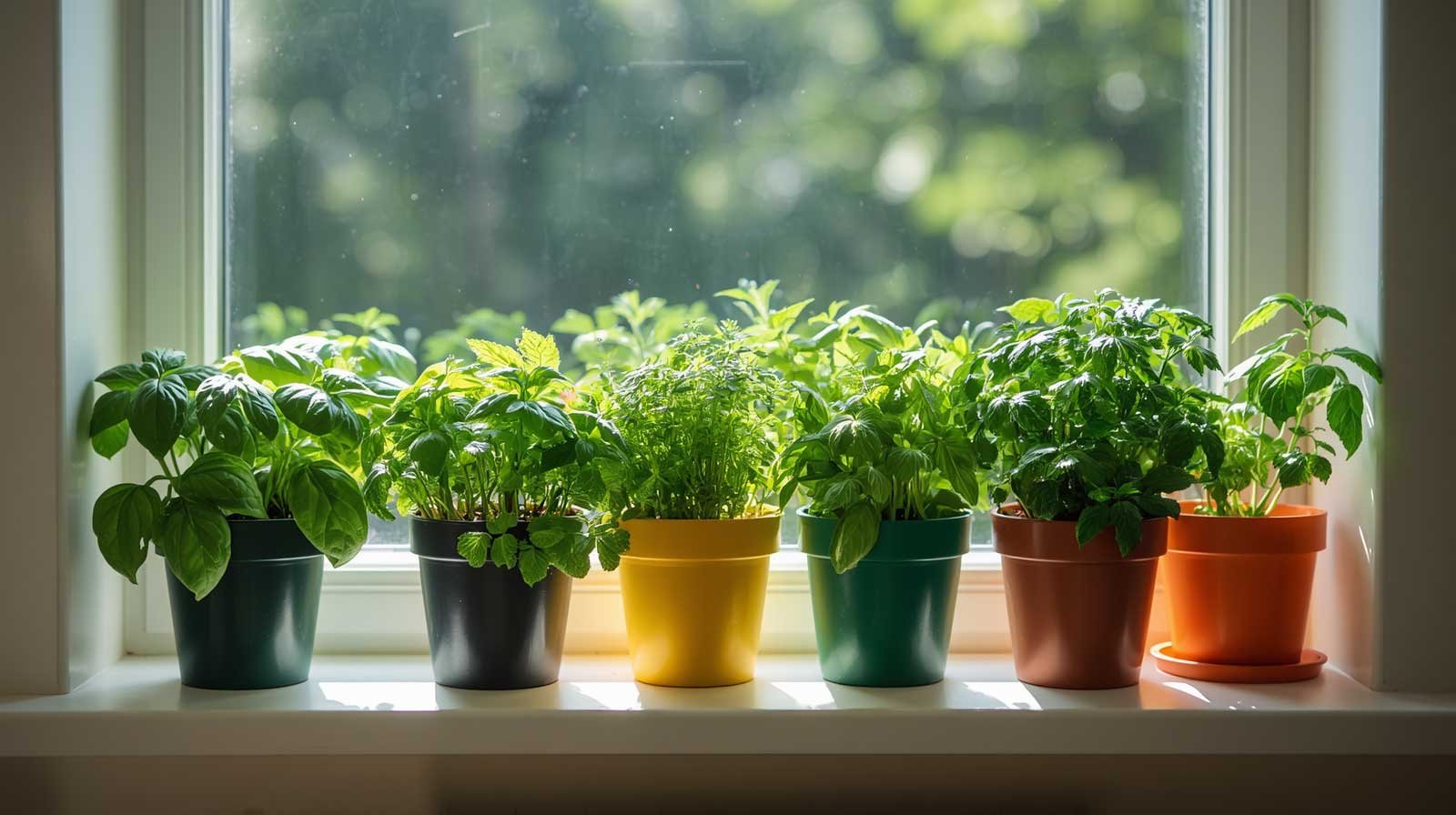
Imagine reaching toward your kitchen windowsill, snipping a few fresh basil leaves for pasta, picking some mint for a refreshing drink, or adding freshly chopped parsley to a bowl of homemade soup. You don’t need a backyard, a greenhouse, or years of gardening experience to enjoy fresh herbs at home. A sunny windowsill and a few simple supplies are enough to get started.
A kitchen herb garden is one of the easiest ways to bring a little greenery into your home while making everyday cooking more flavorful. Fresh herbs can brighten simple meals, reduce the need to buy packaged herbs, and make your kitchen feel more inviting.
The best part is that you can start small. Even two or three pots of herbs can provide plenty of fresh leaves for everyday recipes. Once you understand how much sunlight your herbs need, how to water them properly, and when to harvest their leaves, caring for your little garden becomes a simple routine.
In this beginner-friendly guide, you’ll learn how to choose the best herbs for a windowsill, select the right pots and soil, plant seeds or starter plants, and keep your herbs growing throughout the year.
Why Start a Windowsill Herb Garden?
A windowsill herb garden is practical, affordable, and rewarding, especially if you enjoy cooking with fresh ingredients.
Fresh Herbs Within Easy Reach
When herbs grow just a few steps from your stove, it’s easier to add fresh flavor to everyday meals. Snip basil for tomato pasta, add chives to scrambled eggs, or sprinkle parsley over roasted vegetables.
You can harvest only what you need, helping you avoid buying a whole bunch of herbs when a recipe calls for just a few leaves.
A Small Garden That Fits Almost Anywhere
You don’t need a dedicated gardening area. A bright kitchen windowsill, a sunny shelf near a window, or a narrow counter beside natural light can work.
If your kitchen doesn’t receive enough sunlight, you can also grow herbs under a suitable full-spectrum grow light.
A Budget-Friendly Way to Grow Herbs
Seeds and small starter plants are often inexpensive, and many herbs can provide repeated harvests when cared for properly.
Perennial herbs such as chives, thyme, and mint can continue growing for a long time under suitable conditions. Basil can also produce plenty of leaves during its growing season when it receives adequate light and regular harvesting.
A Simple Gardening Project for Beginners
Herbs are a good introduction to gardening because you can observe their growth every day. You’ll quickly learn how plants respond to light, moisture, and pruning.
Start with a couple of easy herbs rather than filling every available pot. It’s much easier to understand what your plants need when you’re caring for a small collection.
1. Choose the Best Herbs for Your Windowsill
The easiest way to succeed with an indoor herb garden is to choose plants that suit your available light, space, and cooking habits.
Some herbs grow quickly from seed, while others are easier to start with a small nursery plant. For beginners, I recommend starting with basil, chives, parsley, mint, and thyme.
The Best Herbs for Beginners
| Herb | Light Needs | Watering Needs | Best Uses |
|---|---|---|---|
| Basil | 6–8 hours of bright light | Keep soil lightly moist | Pasta, salads, pesto |
| Mint | Bright light, some gentle sun | Likes consistently moist soil | Tea, drinks, chutneys |
| Parsley | 4–6+ hours of bright light | Water when the surface begins to dry | Soups, sauces, salads |
| Chives | Bright light, preferably several hours of sun | Water when the top begins to dry | Eggs, potatoes, dips |
| Thyme | 6+ hours of bright light | Let the surface dry between watering | Roasted vegetables, chicken |
| Oregano | 6+ hours of bright light | Allow the upper soil to dry | Pizza, pasta, Mediterranean dishes |
| Coriander (cilantro) | Bright light, preferably several hours of sun | Keep evenly moist, not soggy | Curries, salsa, chutneys |
| Rosemary | 6–8 hours of bright light | Let the upper soil dry between watering | Roasted potatoes, vegetables, meat |
Light requirements are approximate. Actual growth depends on window direction, season, indoor temperature, and the intensity of the light.
Which Three Herbs Should You Start With?
If this is your first herb garden, begin with just three plants.
- Basil: A great choice if you make pasta, salads, sandwiches, or homemade pesto.
- Mint: Useful for tea, lemon water, chutneys, and refreshing drinks.
- Chives: Easy to snip and add to eggs, potatoes, soups, and creamy dips.
If your cooking often includes Indian dishes, coriander and mint are also excellent choices. However, coriander can bolt quickly in warm conditions, so sowing small batches regularly may work better than keeping one plant for months.
One important tip: grow mint in its own pot. Its roots spread readily, and it can crowd out other herbs if planted in a shared container.
2. Find a Sunny Windowsill
Sunlight is one of the most important factors in growing healthy herbs indoors. A plant may survive in a dim room but grow slowly, develop weak stems, and produce fewer flavorful leaves.
Before buying plants or seeds, observe the natural light in your kitchen.
Which Window Is Best?
In the Northern Hemisphere, including most of India, the direction your window faces can make a noticeable difference.
- South-facing windows: Often receive strong sunlight for several hours and are excellent for sun-loving herbs.
- East-facing windows: Receive gentle morning sunlight, which can suit basil, parsley, and chives.
- West-facing windows: Receive stronger afternoon sun. These can work well for many herbs, although intense summer heat may scorch delicate leaves.
- North-facing windows: Usually receive less direct sunlight. Shade-tolerant herbs may survive, but most culinary herbs will benefit from a grow light.
Window direction alone doesn’t guarantee success. Buildings, balconies, curtains, and nearby trees can reduce the amount of light reaching your plants.
How Much Sunlight Do Herbs Need?
Most Mediterranean herbs, including rosemary, thyme, and oregano, prefer several hours of direct sunlight each day.
Basil also grows best with plenty of bright light. Parsley, mint, and chives can tolerate somewhat less direct sun, although they still need a bright location for strong growth.
If the stems become long and thin, the leaves grow unusually small, or the plant leans strongly toward the window, it may need more light.
Can You Grow Herbs Without a Sunny Window?
Yes. A full-spectrum LED grow light can help if your kitchen receives limited natural sunlight.
Position the light according to the manufacturer’s instructions and provide a consistent daily lighting schedule. Many indoor herbs do well with around 12–14 hours of supplemental light, depending on the light’s intensity and the plant.
Avoid assuming that a regular decorative bulb will provide enough light for healthy growth.
3. Choose the Right Pots and Containers
You don’t need expensive gardening equipment to start a windowsill herb garden. A few suitable containers, drainage materials, and good potting mix are enough.
Use Pots with Drainage Holes
Drainage is essential because herbs generally do not like sitting in waterlogged soil.
Choose pots with holes at the bottom so excess water can escape. Place a saucer underneath to protect your windowsill, and empty the saucer after watering.
Decorative pots without drainage can be used as outer covers, but the herb should remain in an inner pot that drains properly.
Avoid placing a thick layer of stones at the bottom of a pot as a substitute for drainage holes. It doesn’t solve waterlogged soil and can make the usable soil space smaller.
What Size Pot Should You Use?
The right size depends on the herb and its root system.
- Small herbs: Pots around 4–6 inches wide may suit young plants.
- Basil and parsley: A pot around 6–8 inches wide or larger gives roots more room to develop.
- Mint: Use a separate pot at least 6–8 inches wide to start.
- Rosemary: A deeper, somewhat larger pot is helpful as the plant grows.
These are starting points, not strict rules. Follow the plant’s growth and repot it when roots begin circling the pot or emerging from drainage holes.
Can You Reuse Kitchen Containers?
Yes, provided you make suitable drainage holes and use containers that are safe for growing edible plants.
Small food-safe plastic containers can work well. Terracotta pots are another option because they allow moisture to evaporate through their sides, although they may dry out more quickly.
If you use metal containers, make sure they’re suitable for planting and won’t rust or leach unwanted substances into the growing medium.
4. Choose a Good Potting Mix
Healthy herbs need a growing medium that holds enough moisture for their roots while allowing excess water and air to move through it.
Ordinary garden soil is usually not the best choice for indoor pots. It can become compacted, drain poorly, and introduce pests.
Instead, use a quality potting mix designed for containers.
What Makes a Good Herb Potting Mix?
Look for a mix that:
- Drains freely after watering.
- Holds enough moisture to support healthy roots.
- Has a loose, airy texture.
- Is suitable for edible plants.
A general-purpose indoor potting mix is a good starting point for most kitchen herbs.
For rosemary, thyme, and oregano, a particularly well-draining mix is helpful because these herbs prefer to dry somewhat between waterings.
Mint and basil generally appreciate more consistent moisture, so don’t let their root balls dry out completely.
Do Herbs Need Fertilizer?
Yes, container herbs may benefit from occasional feeding because watering gradually removes nutrients from the potting mix.
Use a balanced liquid fertilizer suitable for edible plants, diluted according to the product instructions. During active growth, feeding every few weeks may be sufficient, depending on the mix and fertilizer.
Avoid applying extra fertilizer in the hope of making herbs grow faster. Excess nutrients can encourage weak growth or affect flavor.
If your potting mix already contains fertilizer, check its label before adding more.
5. Start from Seeds or Buy Small Plants?
Both options can work well. The best choice depends on your budget, patience, and the herbs you want to grow.
Growing Herbs from Seeds
Starting from seed is often inexpensive and gives you more variety.
Herbs such as basil, coriander, and chives can be grown from seed with suitable conditions. Follow the seed packet for planting depth and spacing, because different herbs germinate differently.
To start:
- Fill a small pot or seed tray with moist seed-starting mix.
- Sow the seeds at the recommended depth.
- Cover lightly if required by the seed instructions.
- Keep the mix evenly moist but not saturated.
- Place the container in a warm, bright location appropriate for that herb.
- Once seedlings develop their first true leaves, thin or transplant them as needed.
Seedlings need sufficient light as soon as they emerge. If the light is too weak, they may become tall and fragile.
Buying Starter Plants
Starter plants are convenient if you want to begin harvesting sooner.
Choose plants with healthy green leaves, sturdy stems, and no obvious signs of pests or disease. Avoid plants with yellowing leaves, moldy soil, or severely crowded roots.
Nursery herbs sold in small supermarket pots can sometimes contain several seedlings growing close together. They may benefit from being separated carefully into individual containers.
Give newly purchased plants a little time to adjust to your home before harvesting heavily.
Which Option Is Best for Beginners?
If you want the easiest start, buy a small basil plant, a mint plant, and a chive plant from a reputable nursery.
You can experiment with seeds later, once you understand your windowsill’s light and watering conditions.
6. Plant Your First Windowsill Herb Garden
Once you have your plants, pots, and potting mix, planting is straightforward.
Step 1: Prepare the Containers
Make sure each pot has drainage holes and a clean saucer underneath.
Fill the pot loosely with potting mix, leaving enough room at the top for watering.
Step 2: Remove the Plant Carefully
If you’re transplanting a nursery plant, gently squeeze the sides of its plastic pot and slide the root ball out.
Avoid pulling the plant by its stems, which can damage it.
If the roots are tightly wound around the outside of the root ball, loosen them gently with your fingers.
Step 3: Position the Herb
Place the plant in the new pot at approximately the same soil depth it was growing at before.
Fill around the roots with potting mix and gently firm the surface. Don’t pack the soil down too tightly.
Step 4: Water Thoroughly
Water slowly until excess moisture begins draining through the holes at the bottom.
Allow the pot to drain fully, then empty the saucer.
Step 5: Place It in the Right Light
Move the pot to your chosen windowsill. If the plant was previously grown in lower light, introduce it to strong direct sunlight gradually to reduce the risk of leaf scorch.
Check the plant daily during its first week, looking for signs of wilting, yellowing, or excessively dry soil.
7. How to Water Indoor Herbs Correctly
Watering is one of the most common challenges for new gardeners. Too much water can suffocate roots, while too little can cause leaves to wilt and growth to stall.
The key is to check the soil rather than follow a rigid daily schedule.
Check the Soil Before Watering
Insert your finger about an inch into the soil.
- If the soil feels dry at that depth, many herbs will benefit from watering.
- If it still feels damp, wait and check again later.
- If the pot feels unusually light and the soil is dry throughout, the plant may need a thorough watering.
The exact approach varies by herb. Basil and mint prefer more consistent moisture, while rosemary and thyme generally prefer a little drying between waterings.
Water the Soil, Not Just the Leaves
Pour water gently around the base of the plant until the root zone is moistened.
Watering only the surface can leave the lower roots dry, while frequent splashing on the foliage can encourage some leaf diseases if air circulation is poor.
Avoid Letting Pots Sit in Water
After watering, empty the saucer so the roots aren’t left standing in excess water.
Persistent soggy soil can cause root problems, yellow leaves, and weak growth.
Adjust for the Season
Indoor herbs often use water more quickly during warm, sunny weather. In cooler months, growth may slow and the soil may take longer to dry.
Check the soil regularly and adjust rather than watering automatically every morning.
8. How to Harvest Herbs Without Damaging the Plants
Harvesting correctly encourages many herbs to produce new growth and keeps plants from becoming leggy.
However, each herb grows a little differently, so it’s worth learning a few basic techniques.
Harvesting Basil
Once the plant has several sets of true leaves and is growing strongly, pinch or cut the stem just above a pair of leaves.
New branches often develop from that point, creating a fuller plant.
Remove flower buds when you want to encourage leafy growth. Flowering is a normal part of the plant’s life cycle, but basil may produce fewer tender leaves as it matures.
Harvesting Mint
Snip stems just above a pair of leaves. Regular harvesting encourages branching and keeps mint from becoming too tall.
Avoid removing too much foliage at once. Leave plenty of healthy leaves for the plant to continue growing.
Harvesting Parsley
Cut the outer stems near the base of the plant, leaving the younger central growth intact.
This allows parsley to continue producing fresh leaves.
Harvesting Chives
Use clean scissors to cut leaves a few inches above the soil, leaving enough growth for the plant to recover.
Chives can regrow repeatedly when they receive sufficient light and nutrients.
Harvesting Rosemary and Thyme
Snip small sprigs from the tips of healthy stems.
Avoid cutting deeply into old, woody growth, especially on rosemary, because it may not produce new shoots reliably from bare wood.
The One-Third Rule
As a general guideline, avoid harvesting more than about one-third of a healthy plant’s foliage at one time.
Small, regular harvests are usually easier for a young herb to recover from than one large cutting.
9. Common Windowsill Herb Garden Problems
Even easy herbs can struggle indoors. Fortunately, many problems become manageable once you identify their cause.
Yellow Leaves
Yellowing can result from overwatering, poor drainage, insufficient light, nutrient problems, or normal aging of older leaves.
Check the soil before adding more water. If it stays wet for a long time, improve drainage and allow the potting mix to dry appropriately.
Long, Weak Stems
Leggy growth usually indicates insufficient light.
Move the herb to a brighter window or supplement natural light with a grow light. Rotate the pot periodically if the plant leans strongly toward the window.
Brown Leaf Edges
Brown edges may result from inconsistent watering, excessive fertilizer, hot dry air, or sun scorch.
Check the plant’s moisture needs and examine whether the leaves are receiving intense sunlight through hot glass.
White Powder on Leaves
A white, powdery coating may indicate powdery mildew, especially when foliage is crowded and air circulation is poor.
Remove badly affected leaves, improve airflow, and avoid overcrowding plants. If you use any treatment on edible herbs, make sure it’s labeled for that plant and follow the instructions carefully.
Tiny Insects on New Growth
Aphids and other small pests sometimes appear on indoor herbs.
Inspect the undersides of leaves and the growing tips. Isolate affected plants, rinse pests off with water where appropriate, and remove heavily infested growth.
Avoid using household insecticides on herbs intended for eating. Use only treatments suitable for edible plants, following the label directions and harvest intervals.
10. How to Keep Your Herb Garden Growing All Year
A windowsill herb garden can produce fresh leaves for months, but indoor conditions change with the seasons.
Rotate Your Pots
Plants naturally lean toward light. Turning pots a little every few days can help maintain more balanced growth.
Prune Regularly
Frequent, light harvesting encourages branching in many culinary herbs. Remove dead leaves and spent growth, and avoid letting basil become too tall and sparse.
Give Plants Enough Space
Crowded leaves receive less light and dry more slowly after watering. Leave enough space between pots for air to circulate.
Repot When Necessary
If roots emerge from drainage holes, water runs through the pot unusually quickly, or the plant dries out very rapidly, it may need a larger container.
Choose a pot only moderately larger than the current one. Moving a small herb into an enormous pot can leave excess soil wet for too long.
Replace Short-Lived Plants When Needed
Not every herb will grow indefinitely indoors.
Basil is often grown as a seasonal plant, while coriander may flower and go to seed relatively quickly, particularly in warm conditions.
You can sow new batches of short-lived herbs or replace older plants as they decline.
A Simple Weekly Care Routine
You don’t need to spend hours caring for your kitchen garden. A few minutes of regular attention can be enough.
Daily:
- Check whether the plants look healthy.
- Notice any wilting, pest activity, or unusually dry soil.
- Make sure pots aren’t sitting in standing water.
Two or three times a week:
- Check soil moisture more closely.
- Water plants that need it.
- Harvest a few leaves for cooking.
Weekly:
- Remove dead leaves and inspect the undersides of foliage.
- Rotate pots if growth is leaning toward the window.
- Check for crowded growth and signs that a plant needs pruning.
Every few weeks during active growth:
- Feed plants if needed, following the fertilizer instructions.
- Review whether the light, pot size, and watering routine are working well.
This is a flexible routine, not a fixed schedule. Plants may need more or less attention depending on temperature, sunlight, and their stage of growth.
Final Thoughts
Starting a kitchen herb garden on a windowsill is a simple way to bring fresh flavor and a little greenery into your home. You don’t need a large space or a complicated setup. A few suitable pots, good potting mix, adequate light, and a little regular attention can provide plenty of fresh herbs for everyday cooking.
Begin with two or three herbs you already use in your meals. Choose basil for pasta, mint for drinks and chutneys, or chives for eggs and potatoes. Once you learn how quickly your pots dry out and how much sunlight your windowsill receives, caring for your plants becomes much easier.
Remember that successful herb gardening isn’t about getting everything perfect from the beginning. Some plants will grow quickly, others will need adjustments, and a few may need replacing as the seasons change. Each experience teaches you something useful.
Start small, harvest gently, and enjoy the satisfaction of adding herbs you’ve grown yourself to your next homemade meal. A tiny windowsill garden can become one of the most useful and rewarding corners of your kitchen.