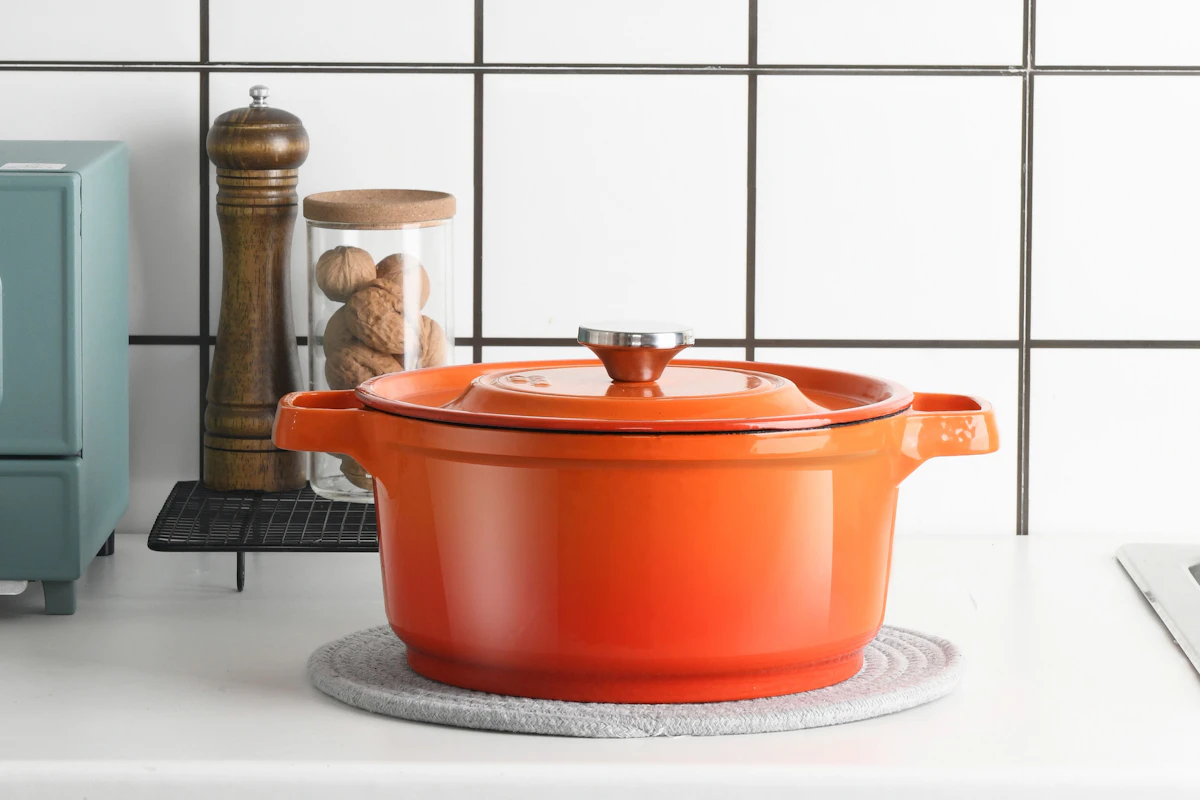
In an age dominated by disposable kitchen gadgets and fragile synthetic non-stick pans that peel and end up in landfills within two years, cast iron cookware stands as an enduring monument to culinary resilience. A well-seasoned cast iron skillet is virtually indestructible, holds heat with ferocious intensity, moves seamlessly from stovetop to screaming-hot oven to outdoor campfire, and can be passed down through generations—cooking just as beautifully for your grandchildren as it did for your grandparents.
Yet for all its virtues, cast iron is shrouded in an unfortunate web of culinary folklore and kitchen myths. Generations of home cooks have been needlessly terrified that a single drop of dish soap will destroy their pan, or that cleaning it requires elaborate, stressful rituals. The truth is much simpler: cast iron care is straightforward, scientifically grounded, and remarkably forgiving. Once you understand what “seasoning” actually is and how to maintain it, your skillet will reward you with a naturally slick, glass-smooth patina that releases fried eggs with ease and sears steaks to perfection.
Demystifying Cast Iron: What is Seasoning?
The most important realization in cast iron cooking is that seasoning is not grease, and it is not residual oil left over from your last meal. Seasoning is polymerized fat.
When unsaturated cooking oils are heated past their smoke points inside the porous microscopic valleys of raw iron, the fatty acid molecules bond together and cross-link through oxidation into a hard, plastic-like organic polymer matrix. This cured polymer bonds chemically to the iron surface, forming a slick, durable, rust-proof shield. Every time you roast, sauté, or bake with oil in your skillet, you are laying down microscopic new layers of this protective non-stick coating.
Debunking the Top Cast Iron Myths
Let’s dispel the most pervasive misconceptions that intimidate new cast iron owners:
- Myth 1: “Never Use Soap!” This rule was true a century ago when soap was made with harsh, corrosive lye that could dissolve polymerized seasoning. Modern dish soaps are gentle detergents formulated to break down surface oils; they will not harm cured polymerized seasoning in the slightest. Gentle soap is perfectly safe!
- Myth 2: “Cast Iron Heats Super Evenly.” Surprisingly, cast iron is actually a poor conductor of heat and tends to form hot spots directly above the burner. Its true superpower is heat retention. Once hot, it holds massive thermal energy, meaning dropping a cold ribeye into the pan won’t crash the pan’s temperature.
- Myth 3: “You Can Never Cook Acidic Foods.” While you shouldn’t simmer a delicate marinara sauce for eight hours in a newly seasoned skillet, cooking with tomatoes, wine, or lemon juice for 15 to 20 minutes in a well-seasoned pan will not damage the seasoning or ruin your food.
- Myth 4: “Never Use Metal Utensils.” Unlike fragile Teflon, cured cast iron seasoning is extremely tough. Using a flat-edged metal spatula actually helps scrape away rough food debris and smooths out the pan surface over time.
Step-by-Step: How to Season Cast Iron from Scratch
Whether you just bought a raw pan or rescued a rusty vintage skillet from a flea market, follow this proven method to build a mirror-like black patina.
Step 1: Thorough Clean and Dry
Scrub the pan thoroughly with hot water, mild dish soap, and a stiff brush or coarse scouring pad. If restoring a rusty pan, use fine steel wool to remove every trace of rust until bare gray iron is exposed. Rinse thoroughly and dry completely with a clean towel, then place it on the stovetop over low heat for 5 minutes to evaporate all residual moisture.
Step 2: Choose the Right Oil
The best oils for seasoning are high in unsaturated fats and have high smoke points. Grapeseed oil, canola oil, and sunflower oil are ideal. Avoid olive oil (low smoke point, burns sticky) or unrefined flaxseed oil (which is prone to flaking off in sheets over time).
Step 3: Apply the Oil Sparingly
Pour about one teaspoon of oil into the center of the warm skillet. Using a clean lint-free cloth or paper towel, rub the oil across every single surface of the pan: the cooking surface, outer walls, bottom, and handle.
Step 4: Wipe It All Off (The Crucial Step!)
Now, take a fresh, clean, dry cloth and wipe the pan vigorously as if you made a terrible mistake and are trying to remove every trace of oil. The goal is to leave only an invisible, microscopic film. Golden Rule: If you leave visible liquid oil pools on the pan, it will bake into sticky, gummy brown spots rather than a hard, smooth seasoning.
Step 5: Bake in the Oven
Place a sheet of aluminum foil on the bottom rack of your oven to catch any stray droplets. Place the skillet upside down on the middle rack (upside-down prevents oil pooling). Heat the oven to 450°F (230°C) and bake for 1 hour. Turn off the oven and let the skillet cool completely inside without opening the door.
Step 6: Repeat Two to Three Times
For a newly stripped pan, repeating this process two to three times creates a resilient, pitch-black foundation that is ready for daily cooking.
Daily Cleaning and Maintenance Ritual
Caring for your cast iron after cooking takes less than two minutes:
- Wash While Warm: While the pan is still comfortably warm, wash it with hot water and a drop of dish soap. Use a chainmail scrubber or stiff nylon brush to remove stuck food bits.
- Tackle Stuck-on Debris: For stubborn burnt residue, pour a cup of water into the skillet and bring to a simmer on the stove for 60 seconds; food bits will lift off effortlessly.
- Dry Immediately: Never leave cast iron to drip-dry in a drying rack—air-drying causes flash rust. Wipe thoroughly with a towel, then set over low heat on your stove for 2 minutes to ensure it is bone dry.
- Apply a Protective Sheen: While the pan is warm from the stove, wipe the cooking surface with a single drop of neutral oil using a paper towel. Buff until matte and not greasy. Store in a dry cupboard.
How to Fix Common Cast Iron Problems
- Pan Feels Sticky: You used too much oil during seasoning. Place the skillet upside down in a 450°F oven for 1 hour to fully polymerize the excess oil.
- Surface Has Orange Rust Spots: Scrub the spot with coarse salt or steel wool until the rust is gone, wash, dry thoroughly, and apply a fresh coat of seasoning oil.
- Seasoning is Flaking: Scraping food too aggressively or cooking high-acid foods for too long can chip weak seasoning. Scrub away loose flakes with chainmail and bake on two fresh seasoning layers.