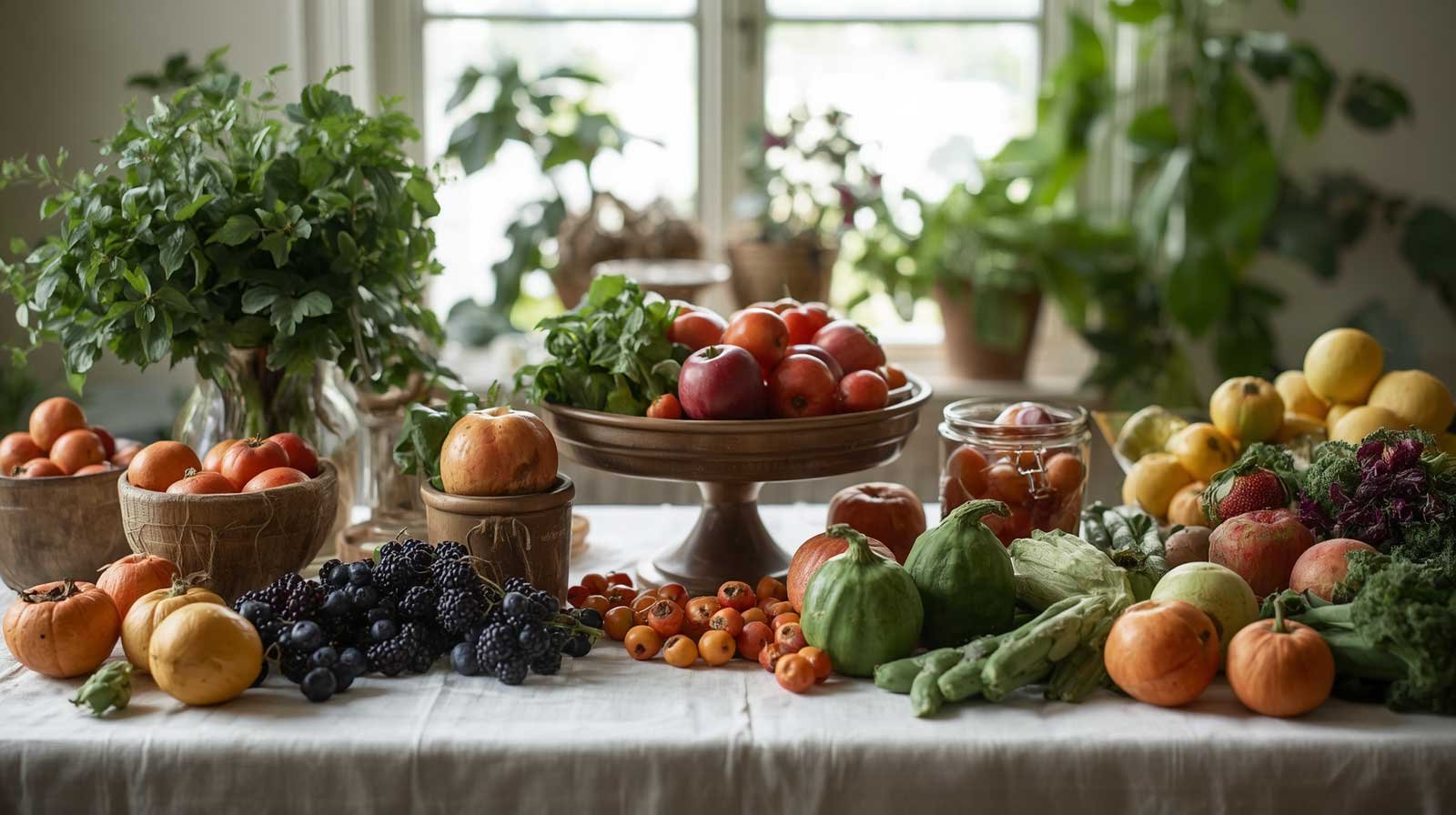
There’s something satisfying about living a little more in tune with the seasons. Fresh strawberries in spring, juicy tomatoes in summer, crisp apples in autumn, and hearty root vegetables in winter all have their own place in the kitchen. When you plan your meals and garden around what’s naturally available, cooking can feel simpler, produce can taste better, and preserving extra food becomes a rewarding part of the year.
You don’t need a large garden, a farm, or a pantry full of homemade preserves to get started. A few pots of herbs, regular visits to a farmers market, and a little planning can help you enjoy seasonal food wherever you live.
This month-by-month guide brings together three simple habits: eating what’s in season, planting something when the timing is right, and preserving extra produce before it goes to waste. You’ll find ideas for every month, from starting spring seedlings to making summer fruit jam and storing winter squash.
Seasonal timing varies by climate, so think of this guide as a flexible starting point rather than a strict calendar. If you’re in a colder region, some planting jobs may need to wait. In warmer areas, the same crops may grow at different times of the year.
Why Follow the Seasons?
Eating and gardening with the seasons can make everyday food choices more enjoyable and practical.
- Better flavor: Produce picked when it’s ripe often has better flavor and texture.
- More variety: Seasonal eating encourages you to try different fruits and vegetables throughout the year.
- Less waste: Preserving surplus produce gives you more ways to use what you buy or grow.
- A more manageable garden: Planting at the appropriate time gives seeds and seedlings a better chance of thriving.
- Useful kitchen skills: Freezing, drying, fermenting, and canning help you make the most of seasonal harvests.
- More connection to local food: Visiting farmers markets and talking with growers can help you learn what grows well in your area.
You don’t have to follow every seasonal suggestion. Pick one or two ideas each month and build from there.
Your Year at a Glance
Here’s a quick overview of the year in a typical temperate Northern Hemisphere climate.
| Month | Seasonal focus | Planting idea | Preserving idea |
|---|---|---|---|
| January | Citrus and stored roots | Plan the garden and start suitable indoor seedlings | Freeze citrus juice and zest |
| February | Winter greens and hardy vegetables | Start early seedlings where conditions allow | Dry herbs and organize stored food |
| March | Early greens and spring vegetables | Sow suitable greens and peas | Freeze extra greens |
| April | Asparagus, radishes, and spring herbs | Plant herbs and cool-season crops | Make herb oils for immediate use or freeze herbs safely |
| May | Strawberries and tender greens | Plant warm-season crops after frost danger passes | Freeze berries |
| June | Early berries and garden herbs | Sow successive salad crops | Make refrigerator pickles |
| July | Tomatoes, cucumbers, and summer fruit | Maintain and succession-plant suitable crops | Freeze berries and prepare tomato sauce |
| August | Peaches, peppers, and abundant tomatoes | Sow suitable late-season greens | Freeze or safely can excess produce |
| September | Apples, pears, and autumn vegetables | Sow cool-season crops in suitable climates | Make apple butter or freeze sliced fruit |
| October | Pumpkins, squash, and root vegetables | Plant garlic or cover crops where appropriate | Freeze pumpkin purée |
| November | Winter squash and stored produce | Protect suitable overwintering crops | Dry herbs and store hardy produce |
| December | Citrus, roots, and winter greens | Plan next year’s garden | Organize the pantry and freezer |
This calendar assumes a typical Northern Hemisphere seasonal pattern. If you live in a tropical or subtropical region, use local growing seasons and rainfall patterns instead of following these months exactly.
January: Plan, Organize, and Enjoy Winter Produce

January is a good month to slow down, use what you’ve stored, and plan the year ahead. In colder regions, gardens may be dormant, but the kitchen can still be full of fresh flavors.
What to Eat
Depending on your location, January produce may include:
- Oranges, lemons, grapefruit, and other citrus
- Carrots, potatoes, onions, and parsnips
- Winter cabbage and kale
- Stored apples and pears
- Winter squash
Use citrus zest to brighten soups, salads, and baked goods. Roast root vegetables with olive oil and herbs, or make a pot of vegetable soup using whatever you have on hand.
What to Plant
In colder climates, focus on planning rather than outdoor planting.
- Review last year’s garden notes.
- Choose seeds and make a simple planting schedule.
- Check which seeds are still viable.
- Start onions, leeks, or other suitable crops indoors if your local growing calendar recommends it.
If your winters are mild, January may be suitable for planting leafy greens, peas, or root vegetables directly outdoors.
What to Preserve
January is a useful month for organizing food you’ve already preserved.
Freeze fresh citrus juice in small portions for dressings, marinades, and baking. You can also zest citrus before juicing it and freeze the zest separately.
Check stored produce and pantry jars, label anything without a date, and use older items first.
Simple seasonal project: Make a batch of lemon vinaigrette for salads throughout the week. Refrigerate it and use it promptly.
February: Prepare for the Growing Season

February often feels like a transition month. Winter produce is still useful, but it’s also a good time to prepare for spring.
What to Eat
Look for seasonal options such as:
- Cabbage, kale, and other hardy greens
- Carrots and beets
- Citrus fruit
- Stored apples
- Leeks and onions
Try a warm cabbage skillet, roasted beets, or a simple kale and white bean soup. These dishes are practical ways to use vegetables that store well.
What to Plant
In colder regions, start seeds indoors only when the crop and local timing make sense.
- Start certain peppers or onions indoors if your growing season requires an early start.
- Clean seed trays and small pots.
- Prepare a sunny windowsill for herbs.
- Check the expected last frost date for your area.
In warmer climates, you may be able to plant cool-season vegetables directly outdoors.
What to Preserve
Use this month to make preservation easier later.
- Dry suitable herbs that you’ve harvested and frozen or stored.
- Portion frozen vegetables for quick meals.
- Review your freezer and pantry.
- Label homemade foods with their contents and preparation dates.
For herbs that you want to keep green and flavorful, freezing is often a better option than drying.
Simple seasonal project: Start a small windowsill herb garden with parsley, chives, or another herb suited to your indoor light conditions.
March: Welcome the First Spring Greens

March can bring the first signs of spring in temperate regions. Hardy vegetables may begin growing again, and fresh greens become a welcome change from winter meals.
What to Eat
Depending on local availability, look for:
- Spinach and other leafy greens
- Radishes
- Spring onions
- Peas
- Early herbs
Make a simple spinach salad, stir greens into soup, or add peas to pasta and rice dishes.
What to Plant
When the soil is workable and conditions are suitable, consider planting:
- Peas
- Spinach
- Radishes
- Lettuce
- Spring onions
These crops generally prefer cooler conditions than tomatoes and peppers. Follow your local planting calendar, and protect young plants if a late frost is expected.
What to Preserve
Fresh greens can be difficult to keep for long, so focus on using them efficiently.
- Freeze suitable greens after blanching.
- Chop extra herbs and freeze them in small portions.
- Prepare vegetable soup and freeze individual servings.
Blanching before freezing helps preserve the color and quality of many vegetables.
Simple seasonal project: Make a batch of green vegetable soup with spinach, peas, onions, and potatoes. Freeze any extra portions for a busy day.
April: Make the Most of Spring Vegetables

April is a lovely month for lighter meals and fresh herbs in many temperate areas. The garden may be waking up, and farmers markets often begin offering more variety.
What to Eat
Look for:
- Asparagus
- Radishes
- Spring onions
- Spinach
- Lettuce
- Fresh parsley and chives
Roast asparagus with olive oil, add sliced radishes to salads, or make a quick vegetable frittata.
What to Plant
Depending on your climate, April may be suitable for:
- Lettuce and other salad greens
- Peas
- Radishes
- Parsley and chives
- Hardy annual herbs
In warmer areas, you may be ready to transplant some warm-season crops. In cooler areas, frost protection may still be necessary.
What to Preserve
Spring produce is often best enjoyed fresh, but you can still save some for later.
- Freeze chopped herbs in small portions.
- Blanch and freeze suitable vegetables.
- Make small batches of refrigerator pickles using fresh radishes or cucumbers when available.
Refrigerator pickles are stored in the refrigerator and are not shelf-stable canned products.
Simple seasonal project: Make a fresh herb butter using softened butter, parsley, chives, lemon zest, and a pinch of salt. Refrigerate it for short-term use or freeze it in portions.
May: Celebrate Strawberries and Tender Greens

In many temperate climates, May brings tender greens and the start of strawberry season. It’s also a busy planting month, especially once frost danger has passed.
What to Eat
Look for:
- Strawberries
- Lettuce
- Spinach
- Peas
- Radishes
- Spring onions
Enjoy strawberries with yogurt, blend them into smoothies, or serve them over a simple cake. Tender greens are perfect for salads, sandwiches, and quick sautés.
What to Plant
After the last expected frost, many gardeners can begin planting warm-season crops.
- Tomatoes
- Peppers
- Cucumbers
- Basil
- Beans
Use local frost dates and soil temperatures as your guide. Tomatoes and peppers generally need warmer conditions than lettuce and peas.
What to Preserve
Strawberries are delicious fresh, but they don’t stay at their best for long.
- Freeze washed, dried, hulled berries in a single layer before transferring them to a freezer container.
- Make a small batch of refrigerator strawberry sauce.
- Prepare strawberry jam using a tested recipe if you want a longer-lasting preserve.
Simple seasonal project: Freeze a tray of strawberries for smoothies, desserts, and fruit sauces later in the year.
June: Enjoy Berries, Herbs, and Early Summer Produce

June often brings warmer days, fresh herbs, berries, and the first harvests from a productive garden. It’s also a good time to plant in succession so you don’t end up with every crop ready at once.
What to Eat
Depending on your region, look for:
- Strawberries and raspberries
- Lettuce and salad greens
- Fresh herbs
- Green beans
- Early zucchini
- Cucumbers
Use fresh herbs in dressings, make simple berry desserts, or prepare a chopped vegetable salad for lunch.
What to Plant
- Sow successive batches of lettuce where temperatures remain suitable.
- Plant beans and cucumbers when conditions are warm enough.
- Harvest herbs regularly to encourage new growth.
- Add mulch around plants to help conserve soil moisture.
In very hot climates, some cool-season greens may struggle, so choose heat-tolerant varieties or provide afternoon shade.
What to Preserve
June is an excellent time to start building a supply of frozen fruit.
- Freeze berries for smoothies and baking.
- Dry herbs such as oregano and thyme.
- Make refrigerator pickles with cucumbers when they’re available.
For shelf-stable pickles, use a tested canning recipe rather than improvising vinegar, water, and salt ratios.
Simple seasonal project: Make quick refrigerator cucumber pickles with vinegar, water, salt, and spices, then refrigerate according to a trusted recipe.
July: Make the Most of Tomatoes and Summer Vegetables

July can be one of the most productive months of the year in warm temperate climates. Tomatoes, cucumbers, zucchini, peppers, and summer fruit may all be arriving at once.
What to Eat
Depending on local harvests, enjoy:
- Tomatoes
- Cucumbers
- Zucchini
- Sweet peppers
- Berries
- Peaches and other stone fruit
A fresh tomato and basil salad is one of the simplest ways to celebrate summer produce. You can also make grilled vegetables, chilled soups, or quick pasta dishes.
What to Plant
- Sow another batch of beans if your season is long enough.
- Plant suitable herbs and quick-growing greens where temperatures allow.
- Check tomato and cucumber plants for pests and disease.
- Water consistently, especially during hot spells.
In extremely hot regions, outdoor planting may be less successful during midsummer. Focus on maintaining existing plants or choose crops suited to local heat.
What to Preserve
- Freeze berries and sliced peaches.
- Freeze extra chopped herbs.
- Make cooked tomato sauce and freeze it in meal-sized portions.
- Dry suitable herbs for winter cooking.
If you want shelf-stable tomato products, use a tested canning recipe with the correct acidity and processing method. Do not assume that adding lemon juice by eye makes any tomato recipe safe for pantry storage.
Simple seasonal project: Cook a large batch of tomato sauce with onions, garlic, and herbs, then freeze it in labeled containers.
August: Preserve the Summer Harvest

August is often a month of abundance. Tomatoes may ripen faster than you can eat them, peppers fill the garden, and late-summer fruit is ready for desserts and preserves.
What to Eat
Look for:
- Tomatoes
- Peppers
- Eggplant
- Peaches and plums
- Zucchini
- Melons
Make ratatouille, roasted pepper sandwiches, fresh tomato salsa, or peach cobbler with ripe summer fruit.
What to Plant
In suitable climates, you may still have time to plant:
- Quick-growing leafy greens
- Radishes
- Turnips
- Bush beans
- Certain late-season herbs
Check the number of days to maturity against your local first frost date. In tropical climates, use rainfall and temperature patterns to determine suitable planting times.
What to Preserve
This is one of the busiest preserving months.
- Freeze chopped peppers for cooked dishes.
- Freeze sliced peaches for smoothies and desserts.
- Dry herbs.
- Prepare tomato sauce for the freezer.
- Make jams and chutneys using tested recipes.
For long-term pantry storage, use tested recipes and appropriate processing methods. Refrigeration and freezing are simpler options when you don’t have canning equipment or experience.
Simple seasonal project: Make a batch of roasted tomato sauce and freeze it in small portions, ready for pasta, soups, and casseroles.
September: Welcome Apples and Autumn Vegetables

September often marks the transition from summer abundance to autumn cooking in temperate regions. Apples, pears, squash, and root vegetables begin taking center stage.
What to Eat
Look for:
- Apples and pears
- Carrots and beets
- Winter squash
- Kale and cabbage
- Late-season tomatoes
Roast root vegetables with herbs, bake an apple crumble, or make a warm grain bowl with squash and leafy greens.
What to Plant
Depending on your climate, September may be a good time to plant:
- Spinach
- Lettuce
- Radishes
- Turnips
- Garlic, in regions where autumn planting is recommended
Some cool-season crops can grow well in autumn, but the timing depends on local temperatures and daylight.
What to Preserve
- Freeze apple slices for baking.
- Make applesauce and freeze it.
- Dry apple slices for snacks.
- Prepare pear compote for short-term refrigerated use.
If you want shelf-stable applesauce or fruit preserves, follow a tested canning recipe.
Simple seasonal project: Make homemade applesauce with chopped apples, a little water, and cinnamon. Refrigerate for short-term use or freeze in portions.
October: Cook with Squash, Pumpkins, and Root Vegetables

October is a natural time to turn toward warming meals and ingredients that store well. Winter squash and pumpkins become useful kitchen staples, while cooler temperatures make the garden easier to manage in many regions.
What to Eat
Look for:
- Pumpkin and winter squash
- Carrots and parsnips
- Potatoes and onions
- Apples and pears
- Cabbage and kale
Make roasted squash, pumpkin soup, vegetable stew, or a simple tray of maple-roasted root vegetables.
What to Plant
- Plant garlic in regions where autumn planting is suitable.
- Sow cover crops if your garden calendar recommends them.
- Protect cool-season crops from expected frost.
- Clean up diseased plant material and add healthy plant waste to the compost pile.
In warmer climates, October may be a prime month for growing leafy greens, herbs, peas, and other cool-season crops.
What to Preserve
- Freeze cooked pumpkin or squash purée.
- Dry herbs before colder weather arrives.
- Store mature squash in a suitable cool, dry, well-ventilated location.
- Freeze roasted vegetables for use in soups and grain bowls.
For food safety, freeze pumpkin purée rather than attempting to can thick pumpkin purée at home. Tested pressure-canning guidance generally does not recommend home-canning mashed or puréed pumpkin.
Simple seasonal project: Roast a large squash, purée the flesh, and freeze it in measured portions for soups, sauces, and baking.
November: Make the Most of Stored Produce

November is a good time to cook with produce you’ve stored and plan meals that use hearty vegetables. In colder regions, outdoor gardening may be slowing down, while warmer climates may still have plenty growing.
What to Eat
Look for:
- Winter squash
- Potatoes and sweet potatoes
- Onions and garlic
- Cabbage and kale
- Apples and pears
Roasted vegetables, soups, stews, and baked fruit desserts are easy ways to use these ingredients.
What to Plant
In colder regions, focus on protecting the garden and preparing for next year.
- Mulch suitable perennial herbs.
- Protect crops that can tolerate winter conditions.
- Plant garlic where local recommendations allow.
- Clean and store gardening tools.
In mild regions, continue planting crops that suit the local cool season.
What to Preserve
- Dry herbs and store them in airtight containers.
- Freeze leftover soup in individual portions.
- Make apple or pear compote for short-term refrigerated storage.
- Organize frozen vegetables and fruits so older items are used first.
Simple seasonal project: Make a large pot of root vegetable soup and freeze a few portions for easy lunches.
December: Cook Comforting Meals and Plan Ahead

December is a month for comforting meals, holiday cooking, and making good use of what you’ve stored. Depending on your location, fresh citrus and winter vegetables may be particularly useful.
What to Eat
Look for:
- Citrus fruit
- Potatoes and carrots
- Cabbage and winter greens
- Stored apples and pears
- Winter squash
Prepare roasted vegetables, citrus salads, vegetable soups, or a warm apple dessert.
What to Plant
Outdoor planting may be limited in cold climates, but there’s still plenty to do.
- Review your garden notes.
- Order seeds for next season.
- Clean pots and seed trays.
- Grow herbs indoors if you have enough light.
In warmer climates, December may be a productive season for herbs, greens, peas, and other locally suitable crops.
What to Preserve
December is a good time to use and organize what you already have.
- Label and organize frozen foods.
- Check stored dry goods and preserved foods.
- Freeze leftover citrus juice in small portions.
- Make sure home-preserved jars remain properly sealed and stored according to their tested process.
Discard food that shows signs of spoilage or comes from a jar with a broken seal, leaking contents, or other warning signs. Never taste food to determine whether it is safe.
Simple seasonal project: Create a freezer inventory and plan a few meals around the produce you’ve already preserved.
A Simple Guide to Seasonal Food Preservation
Preserving food doesn’t have to mean canning dozens of jars every summer. Start with the methods that fit your kitchen, time, and comfort level.

Freezing
Freezing is one of the easiest ways to save seasonal produce.
It works well for berries, sliced peaches, chopped peppers, herbs, blanched greens, cooked tomato sauce, and many soups.
For better quality, prepare produce while it’s fresh, package it in suitable freezer containers, label it with the date, and remove as much excess air as practical.
Some vegetables benefit from blanching before freezing, while others can be frozen with little preparation. Follow reliable instructions for the particular food.
Drying
Drying removes moisture and can extend the storage life of suitable foods when done correctly.
Good candidates include:
- Rosemary, thyme, and oregano
- Apple slices
- Certain mushrooms
- Suitable fruits and vegetables prepared with a tested method
Dry foods thoroughly and store them in clean, airtight containers away from heat, moisture, and direct sunlight. If moisture or mold appears during storage, discard the affected food.
Refrigerated Pickling
Quick pickles are a convenient way to enjoy cucumbers, radishes, onions, and other vegetables.
They use vinegar, water, salt, and seasonings, but recipes differ. Keep refrigerator pickles refrigerated and follow the recipe’s storage guidance.
They are not the same as shelf-stable canned pickles.
Canning
Canning can be useful for jams, fruit preserves, pickles, and some tomato products, but it requires extra care.
Use tested recipes from a reliable food-preservation authority. Follow the specified acidity, jar size, headspace, processing time, and water-bath or pressure-canning method.
Do not improvise canning recipes for low-acid foods. Incorrect processing can allow dangerous bacteria to survive, even if the food looks and smells normal.
Fermentation
Fermentation can transform vegetables such as cabbage into sauerkraut and cucumbers into fermented pickles.
Use a tested recipe, the specified salt concentration, clean equipment, and the correct fermentation conditions. Keep vegetables submerged when required, and discard batches that show concerning signs of spoilage.
Fermented foods are not automatically safe for room-temperature storage after fermentation. Follow the recipe’s storage instructions.
How to Start Eating Seasonally Without Changing Everything
If you’re new to seasonal eating, there’s no need to overhaul your shopping list. Small changes can make the process easier.
Start with One Seasonal Ingredient
Choose one fruit or vegetable each week and build a meal around it. In summer, that might be tomatoes. In autumn, it could be squash. In winter, try cabbage or citrus.
Visit a Farmers Market
Farmers markets can help you see what’s currently available in your region. Ask growers what is at its best, how to store it, and how they like to cook it.
Plan Meals Around What You Have
Check your refrigerator, freezer, and pantry before shopping. Build meals around the produce that needs to be used first.
For example, wilted greens can go into soup, ripe tomatoes can become sauce, and extra fruit can be frozen for smoothies.
Preserve Small Batches
You don’t need to preserve a whole harvest. Freeze a few portions of berries or herbs, make a small batch of refrigerator pickles, or prepare extra soup for the freezer.
Keep a Seasonal Kitchen Notebook
Record what you bought, what you planted, and what worked well. Over time, you’ll build a useful guide to your local seasons and favorite recipes.
Final Thoughts
Eating, planting, and preserving with the seasons is less about following a perfect calendar and more about paying attention to what’s available around you.
Spring brings opportunities to enjoy tender greens and start planting. Summer offers berries, tomatoes, and fresh herbs. Autumn invites you to cook with apples, squash, and root vegetables, while winter is a good time to enjoy stored produce, comforting meals, and the food you’ve saved throughout the year.
Start small. Try one seasonal recipe, plant a few herbs, or freeze a batch of fruit when it’s abundant. These simple habits can make your kitchen more resourceful and your meals more varied throughout the year.
The most useful seasonal routine is one that works with your local climate, your schedule, and the foods you genuinely enjoy eating.