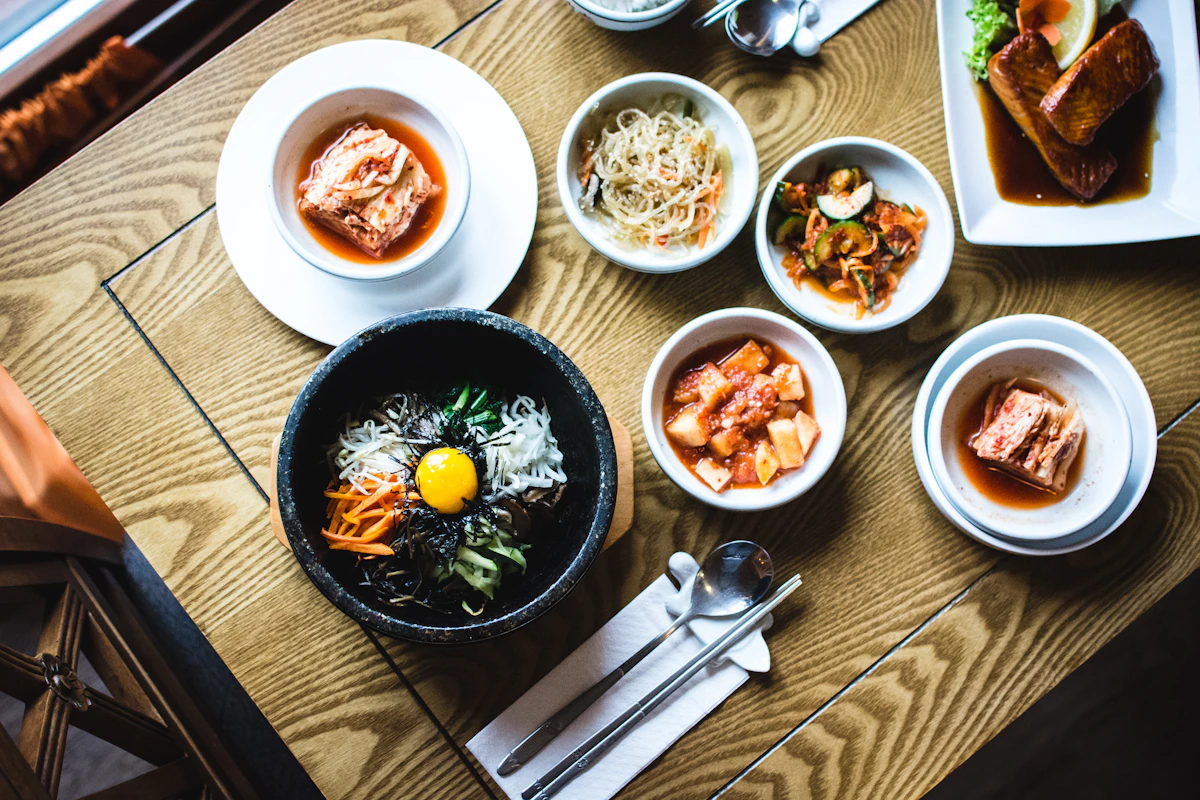
For thousands of years, fermentation has stood as humanity’s most miraculous method of food preservation. Long before the invention of refrigeration or canning jars, ancestral home cooks discovered that combining fresh garden vegetables with salt and ambient lactobacillus bacteria not only prevented spoilage, but radically transformed raw produce into complex, probiotic-rich superfoods. Nowhere is this cultural culinary tradition more revered than in Korea, where kimchi (Baechu-Kimchi) forms the beating heart of every meal.
Making traditional Napa cabbage kimchi at home is one of the most rewarding culinary rituals you will ever undertake. Crisp cabbage leaves are salted, rinsed, and coated in a fiery, aromatic paste of Korean red pepper flakes (gochugaru), fresh ginger, garlic, radish, scallions, and savory fermented umami. Fermented on your counter for two to three days and aged in the refrigerator, it yields crunchy, tangy, effervescent bites packed with billions of beneficial gut-friendly probiotics.
The Science of Lacto-Fermentation
Lacto-fermentation is not rotting; it is a safe, biological process governed by beneficial bacteria, primarily Lactobacillus. Here is how the transformation works:
- Salting Clears the Way: Coarse non-iodized salt draws out water through osmosis, wilting the tough cabbage leaves while killing harmful pathogenic bacteria that cannot tolerate saline environments.
- Lactobacillus Thrives: Beneficial lactic acid bacteria naturally present on the leaves survive the salt brine and begin feeding on natural vegetable sugars.
- Lactic Acid Lowers pH: As bacteria multiply, they produce lactic acid, dropping the pH below 4.0. This safe acidic environment preserves the cabbage for months while creating kimchi’s signature sour, tangy complexity.
- Carbon Dioxide Fizz: Fermentation releases tiny CO2 bubbles, creating that delightful, refreshing effervescence when you pop open a mature jar.
The Holy Trinity: Gochugaru, Garlic & Ginger
Authentic kimchi flavor depends on sourcing genuine Gochugaru (Korean coarse red pepper flakes). Unlike standard red cayenne pepper, which is aggressively hot and biting, Gochugaru has a mild, sun-dried sweetness, smoky fruitiness, and vibrant scarlet color that coats the cabbage without overwhelming your palate with pure burning capsaicin.
Ingredients You’ll Need
Crisp vegetables and traditional Korean seasoning aromatics:
The Cabbage & Brine
- Napa Cabbage: Two large heads of fresh Napa cabbage (about 5 to 6 pounds total). Look for compact, heavy heads with crisp, pale green and creamy white leaves.
- Coarse Sea Salt: Half a cup of coarse non-iodized sea salt (or Korean solar salt). Do not use table salt with iodine, which inhibits fermentation and turns brine cloudy.
- Filtered Water: For rinsing thoroughly.
The Flavor Paste & Vegetables
- Sweet Rice Flour Porridge: Two tablespoons of sweet rice flour (or all-purpose flour) whisked with 1 cup water and 1 tablespoon brown sugar, simmered until thickened into a light paste (this feeds the bacteria).
- Gochugaru (Korean Chili Flakes): Half a cup to three-quarters cup, depending on your preferred heat level.
- Fresh Garlic: Eight large cloves, finely minced or puréed.
- Fresh Ginger Root: Two tablespoons of freshly grated ginger.
- Fish Sauce (or Soy Sauce): Three tablespoons of quality fish sauce (or tamari for a vegan version).
- Mu Radish or Daikon: One small Korean radish or daikon radish, peeled and cut into thin matchsticks.
- Scallions: One bunch of green onions, cut into 1.5-inch lengths.
- Asian Pear (Secret Ingredient): Half an Asian pear (or Bosc pear), grated to provide natural enzymes and mellow sweetness.
Step-by-Step Fermentation Instructions
Follow these traditional steps for probiotic perfection:
Step 1: Slice and Salt the Cabbage
Cut cabbages lengthwise into quarters, trimming the bottom core while leaving leaves attached. In a large basin, wash cabbage in cold water. Sprinkle coarse salt generously between every leaf layer, concentrating more salt near the thick white ribs. Let sit at room temperature for 2 hours, turning the quarters every 30 minutes, until the white ribs are pliable and bend without snapping.
Step 2: Rinse and Drain Thoroughly
Rinse the cabbage quarters thoroughly in cold running water three times to wash away excess salt. Squeeze each quarter firmly to expel trapped water, then let drain in a colander for 30 minutes (excess water dilutes your kimchi paste!).
Step 3: Make the Rice Porridge & Chili Paste
In a small saucepan, whisk sweet rice flour and 1 cup water over medium heat until it bubbles and thickens into a glossy translucent paste (about 2 minutes). Stir in brown sugar for 1 minute; let cool completely. In a large mixing bowl, combine the cooled rice paste, gochugaru, minced garlic, grated ginger, fish sauce, and grated Asian pear into a thick, fragrant scarlet paste.
Step 4: Fold in Vegetables & Coat Leaves
Add the matchstick radish and sliced scallions to the chili paste; toss with gloved hands until coated. Wearing rubber or nitrile gloves, take each drained cabbage quarter and rub the spicy paste generously between every single leaf, ensuring even coverage from root to tip. Fold the cabbage quarter in half onto itself into a neat parcel.
Step 5: Pack Jars and Ferment
Pack the seasoned cabbage parcels tightly into clean, sterilized glass mason jars or an onggi earthenware crock. Press down firmly with your fist to eliminate any air pockets and encourage brine to rise over the cabbage. Leave at least 1.5 inches of headspace at the top of the jar for expanding gasses. Seal loosely with lids. Place jars on a tray at room temperature (65°F to 72°F) away from direct sunlight for 2 to 3 days to ferment. “Burp” the jars once a day by unscrewing the lid slightly to release pressure.
Step 6: Age and Enjoy
After 2 to 3 days, bubbles will form and the kimchi will smell pleasantly sour, spicy, and effervescent. Transfer jars to the refrigerator to slow fermentation. Kimchi is ready to eat immediately, but reaches peak flavor complexity after two weeks in the fridge, keeping crisp for up to six months.
Homemade Spicy Kimchi with Napa Cabbage
Ingredients
12 itemsInstructions
6 steps-
01
Salt cabbage between leaves with coarse sea salt; let sit 2 hours until pliable, turning occasionally.
-
02
Rinse cabbage 3 times in cold water, squeeze out excess liquid, and drain for 30 minutes.
-
03
Simmer rice flour, water, and brown sugar until thickened; cool completely.
-
04
Mix cooled rice porridge with gochugaru, garlic, ginger, fish sauce, and grated pear into a paste. Fold in radish matchsticks and scallions.
-
05
Wearing gloves, rub chili paste generously between all cabbage leaves. Pack tightly into clean glass jars, pressing out air bubbles and leaving 1.5 inches headspace.
-
06
Ferment at room temperature for 2-3 days, burping lids daily. Transfer to refrigerator; keep chilled for up to 6 months.
Chef's Notes & Tips
- Vegan Kimchi: Replace fish sauce with 3 tablespoons of gluten-free tamari plus 1 teaspoon of white miso paste for deep savory umami.
- Culinary Uses: Beyond a table banchan side, aged sour kimchi makes spectacular kimchi fried rice, kimchi jjigae stew, and savoury kimchi pancakes.