For many gardeners, the arrival of autumn’s first frost marks the bittersweet conclusion of the growing season. Raised beds are cleared of spent tomato vines, garden tools are wiped down and hung in the shed, and the soil is put to bed until spring. But for those who embrace the rhythms of cool-weather gardening, autumn and winter represent not an ending, but one of the sweetest, most rewarding seasons of the entire year.
When temperatures drop and frost blankets the ground, certain resilient vegetables undergo a remarkable biochemical transformation. Cold-hardy greens and root crops protect their cellular structure from freezing by converting starch into natural sugars. This natural biological antifreeze turns winter-harvested kale, spinach, carrots, and parsnips intensely sweet, crisp, and flavorful—surpassing anything grown during the scorching heat of summer. With the right selection of cold-hardy varieties and simple row protection, your kitchen garden can provide fresh, nourishing harvests throughout the deepest winter months.
Why Winter Gardening is Worth the Effort
Growing food through the colder months provides unique advantages that summer gardening can never duplicate:
- Incomparably Sweeter Flavor: The chill of freezing nights triggers starches to convert into glucose and fructose, resulting in carrots and kale that taste candy-sweet.
- Virtually Zero Pest Pressure: Flea beetles, aphids, cabbage moths, and tomato hornworms disappear with the first frost, leaving your winter greens pristine and unblemished.
- Minimal Weeding and Watering: Cooler temperatures reduce soil evaporation to a fraction of summer rates, and weeds go dormant, dramatically reducing garden chores.
- Fresh Living Food in Dead of Winter: Harvesting crisp winter spinach or digging sweet parsnips from beneath snow while grocery store produce travels thousands of miles is an unmatched joy.
Top Cold-Hardy Crops for Winter Harvests
Not all vegetables can withstand freezing temperatures. Here are the champion crops that laugh in the face of frost.
1. Winter Spinach
Spinach is the undisputed king of cold tolerance. Mature spinach plants can easily survive temperatures dipping into the low 20s (°F) unprotected, and down to 0°F (-18°C) under a simple cold frame or floating row cover. The leaves become thick, crinkly, and remarkably sweet after repeated freezes. Top varieties include Bloomsdale Long Standing and Giant Winter.
2. Lacinato & Curly Kale
Kale actually requires frost to reach its culinary prime. The sharp, bitter tannins that sometimes plague summer kale vanish completely after the first hard freeze, leaving behind tender, buttery leaves. Varieties like Nero di Toscana (Dinosaur kale) and Winterbor stand tall in garden beds even when buried beneath several inches of insulating snow.
3. Candy Carrots
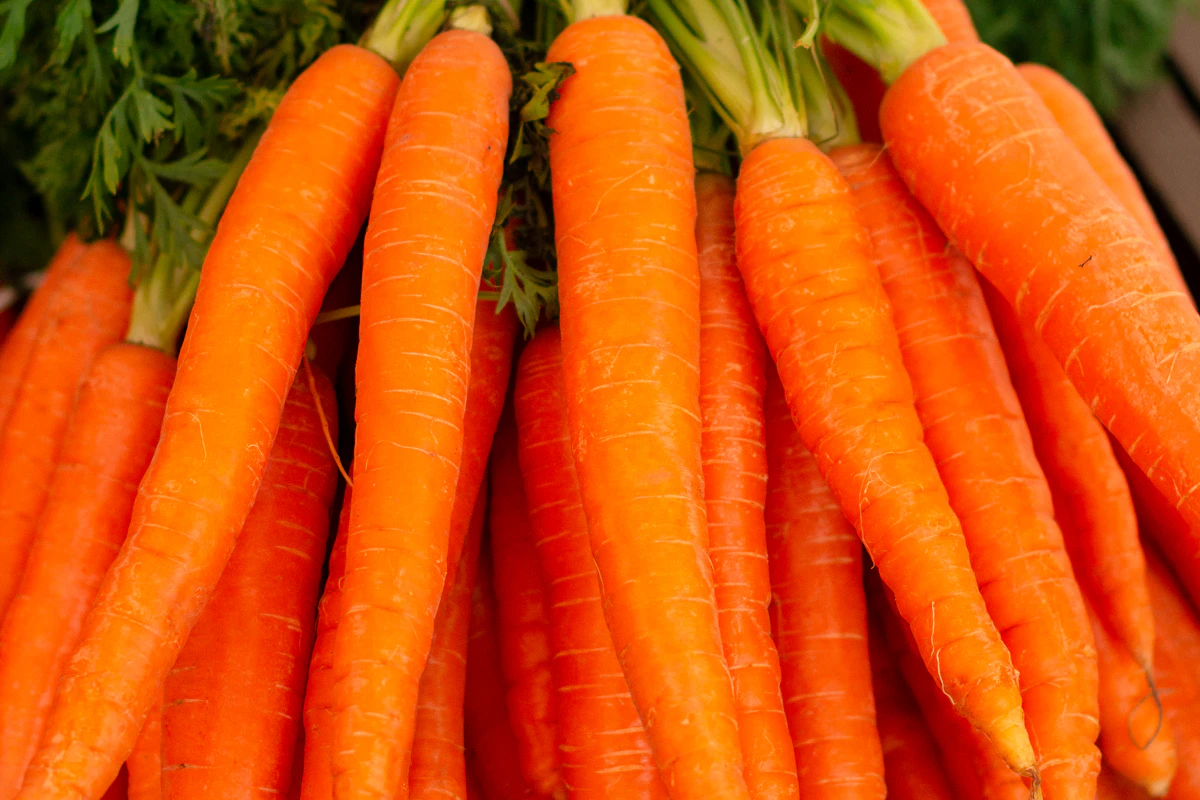
Carrots left in the ground through late autumn and early winter are a revelation. As the soil chills, the roots pack themselves full of sugars to prevent cell damage. With a heavy 6-inch mulch of clean straw over the bed to keep the ground from freezing solid, you can dig sweet, crisp winter carrots straight from the earth in January and February. Top cold varieties include Napoli and Danvers Half Long.
4. Winter Leeks
Leeks are naturally adapted to damp, cold conditions. Robust winter-hardy leek varieties such as Bandit or Bleu de Solaise can withstand repeated deep freezes. Their thick white shanks and blue-green leaves remain pristine, ready to be harvested for soul-warming potato leek soups and savory tarts all winter long.
5. Mâche (Corn Salad) & Claytons
Mâche is a delicate European salad green with small, spoon-shaped leaves and a sweet, nutty, hazelnut-like flavor. While it looks fragile, it is astonishingly cold-hardy, thriving happily in freezing temperatures where even lettuce gives up. It makes the ultimate fresh winter salad green.
6. Sweet Parsnips
Parsnips should never be harvested until they have experienced several hard frosts. The cold completely transforms their starchy, carrot-like roots into a sweet, earthy vegetable with fragrant hints of nutmeg and caramel. Roasted in duck fat or puréed with butter, winter-dug parsnips are pure culinary comfort.
Cold-Hardy Vegetable Comparison Guide
Use this reference table to plan your cool-weather plantings based on cold thresholds and harvest windows:
| Crop | Cold Hardiness | Best Varieties | Protection Needed |
|---|---|---|---|
| Spinach | Down to 0°F (-18°C) | Giant Winter, Bloomsdale | Low tunnel or floating row cover |
| Kale | Down to 10°F (-12°C) | Winterbor, Lacinato | None to light row cover |
| Carrots | Down to 0°F in ground | Napoli, Mokum | 6-8 inches straw mulch |
| Leeks | Down to 5°F (-15°C) | Bandit, Blue Solaise | Heavy straw mulch at base |
| Mâche | Down to -5°F (-20°C) | Vit, Verte de Cambrai | Cold frame or low hoop tunnel |
The Golden Rule: Plant in Late Summer for Winter Harvest
The single most important secret to winter gardening is timing: Winter gardening is about harvesting, not growing.
When day length drops below 10 hours in November (often called the “Persephone Period”), plant growth slows to an almost complete standstill. Plants need to reach 90% of their mature size before this low-light period begins. That means winter spinach, kale, and carrots must be seeded in late July or August, allowing them to grow robust root systems and lush canopies during late summer. Once cold weather arrives in late autumn, the garden beds act as a natural, outdoor refrigerator, holding the mature vegetables in suspended animation until you are ready to harvest.
Simple Season Extension Techniques
You don’t need an expensive heated greenhouse to harvest vegetables through sub-freezing weather. Simple, low-cost structures do wonders:
- Floating Row Covers: Lightweight spun-bond polyester fabric laid directly over greens provides 4 to 8 degrees of frost protection while still allowing rain and sunlight to penetrate.
- Low Hoop Tunnels: Bending 1/2-inch PVC electrical conduit or metal EMT pipes over your raised beds and covering them with 6-mil greenhouse plastic creates an inexpensive mini-greenhouse that keeps snow off your crops.
- Straw Mulch Blankets: For root crops like carrots, parsnips, and beets, simply lay down 6 to 8 inches of loose straw or shredded autumn leaves directly over the crop bed. This prevents the soil surface from freezing solid, allowing you to easily pull roots even in mid-January.
- Cold Frames: A wooden box with an old glass window or clear polycarbonate lid angled toward the southern sun creates an ideal microclimate for salad greens and herbs.
How to Harvest in Freezing Weather
When harvesting greens during winter, follow this crucial piece of advice: Never harvest frozen leaves. If you cut or handle kale or spinach while its leaves are frozen brittle, the cell walls will crush and turn into brown, water-soaked mush when thawed. Wait until midday when the winter sun has thawed the leaves and they feel supple to the touch before harvesting.