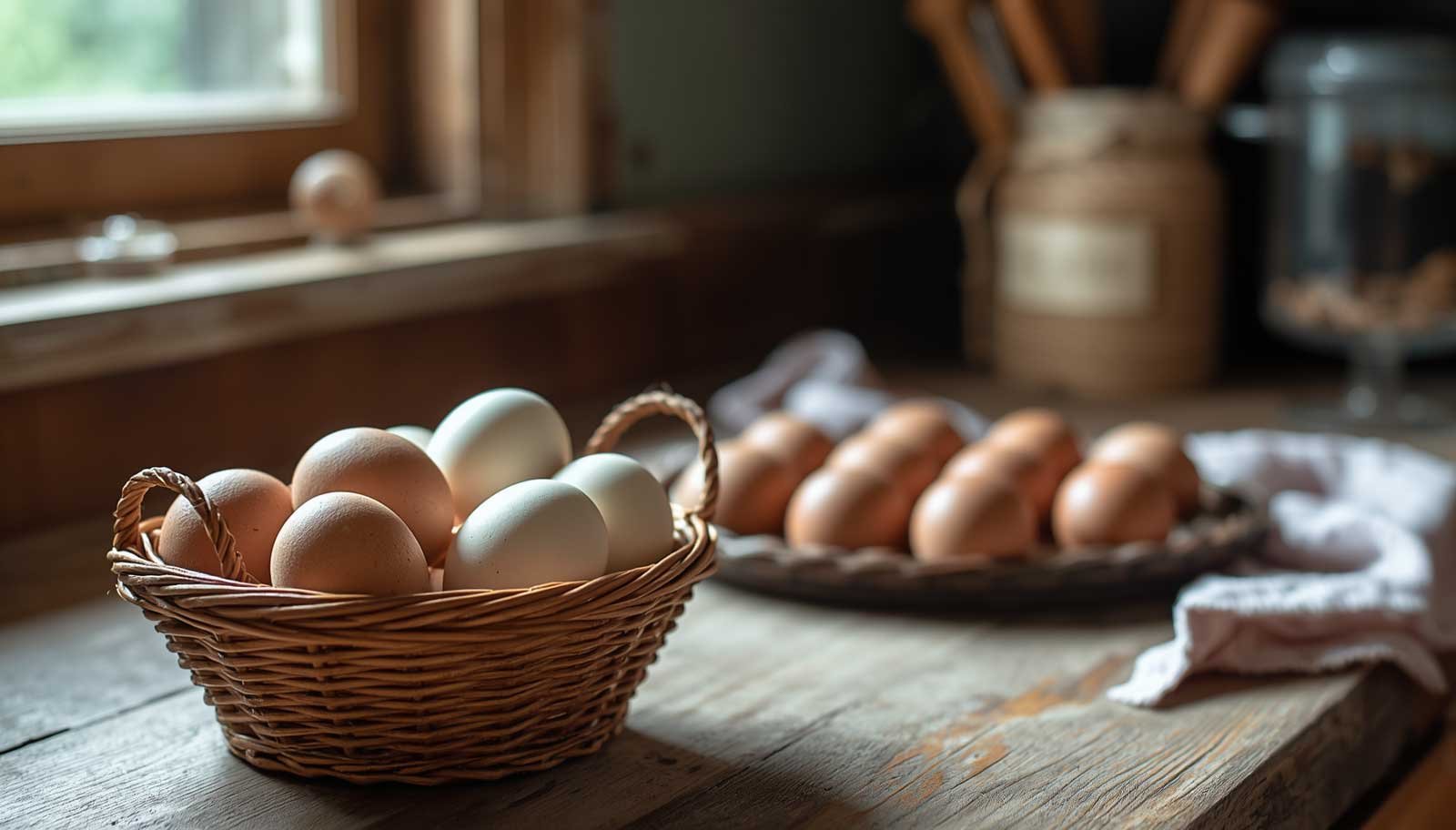
There is something special about cracking a fresh farm egg into a warm skillet. The yolk often looks beautifully golden, the white holds together around it, and the finished egg can have a richer flavor than the eggs you usually find in the grocery store. Whether you’re making a simple breakfast, baking a cake, or preparing a weekend brunch, farm eggs can bring a little extra character to everyday cooking.
But what makes farm eggs taste different? Is it the freshness, the chickens’ diet, the way they are raised, or simply the excitement of buying eggs directly from a local farm?
The answer is a combination of factors. Freshness and feed can influence an egg’s flavor, yolk color, and texture, while the way eggs are handled and stored affects their quality and safety. Once you understand these differences, you can make the most of farm eggs in everything from creamy scrambled eggs to homemade custards.
Let’s explore why farm eggs can taste so good, how to choose quality eggs, and the best ways to cook with them.
What Makes Farm Eggs Different from Store-Bought Eggs?
Farm eggs are eggs collected from chickens raised on farms, often by smaller producers or backyard keepers. Depending on the farm, the hens may have access to outdoor spaces, a varied diet, or more opportunities to forage.
However, not every farm egg is produced the same way, and not every supermarket egg comes from a large industrial operation. The farming method, the hens’ diet, egg freshness, and storage conditions all matter more than the label alone.
Here are the main factors that can make farm eggs stand out.
1. Freshness Can Make a Noticeable Difference
One of the biggest advantages of buying eggs directly from a local farm is the possibility of getting eggs that were collected recently.
As an egg ages, moisture and carbon dioxide gradually escape through its porous shell. The white becomes thinner, and the air cell inside the egg grows larger. These changes can affect how the egg behaves when you crack it into a pan.
Very fresh eggs often have thicker whites that gather neatly around the yolk. This makes them particularly appealing for fried eggs, poached eggs, and dishes where presentation matters.
Freshness can also influence the cooking experience. A fresh egg may produce a more compact fried egg, while an older egg can spread more widely across the skillet.
One important distinction: Freshness affects texture and cooking performance more consistently than it affects flavor. A properly stored grocery-store egg can still taste excellent, and a farm egg is not automatically fresh simply because it comes from a farm.
2. The Chicken’s Diet Influences Flavor and Color
A hen’s diet has a direct influence on the characteristics of its eggs.
Chickens that eat a balanced commercial feed may produce eggs with a mild, familiar flavor. Hens whose diets include suitable amounts of leafy greens, insects, seeds, and other natural foods may produce eggs with different flavor and nutritional profiles.
The yolk color is especially noticeable.
- Hens eating feed rich in yellow and orange pigments may produce deeper-colored yolks.
- Hens with access to green plants or other pigment-rich foods may produce eggs with golden or orange yolks.
- Hens eating diets with fewer of these pigments may produce paler yellow yolks.
A deep orange yolk can look beautiful on avocado toast or a breakfast plate, but color alone does not prove that an egg is fresher, healthier, or more flavorful.
The most important factor is a balanced diet that meets the hen’s nutritional needs.
3. Outdoor Access Can Change What Hens Eat
Some small farms allow hens to roam outdoors, where they can scratch the ground and forage for suitable plants, seeds, and insects.
This additional variety can influence the composition of the eggs, depending on what the hens eat and how much of their diet comes from foraging.
Outdoor access can also be important to people who prefer certain animal-welfare practices. However, terms such as “free-range,” “pasture-raised,” and “farm-fresh” can mean different things depending on local regulations and how a producer uses the label.
If outdoor access matters to you, ask the farmer how the hens are housed, what they eat, and how much time they typically spend outside.
4. Fresh Farm Eggs Can Have Beautiful Texture
Texture is one of the easiest differences to notice when cooking eggs.
Fresh whites tend to be firmer, while older whites become more watery. This is particularly relevant for poached eggs, where you want the white to surround the yolk instead of forming wispy strands throughout the water.
Yolk texture also matters. When cooked gently, the yolk can remain creamy and rich, creating a delicious contrast with crisp toast or roasted vegetables.
Of course, the final texture depends on cooking time and temperature as well as freshness. Even an excellent farm egg can become rubbery if it is cooked too aggressively.
Do Farm Eggs Actually Taste Better?
For many people, yes. But the difference is not universal.
Some farm eggs have a richer, more distinctive flavor than standard grocery-store eggs, particularly when the hens’ diet differs from that of commercially raised hens. Other farm eggs taste quite similar to supermarket eggs.
Your cooking method also makes a difference. A gently cooked egg with a soft yolk may reveal subtle flavor differences more clearly than an egg mixed into a strongly seasoned casserole.
Personal preference plays a role, too. If you enjoy buying locally produced food and knowing more about where it comes from, that connection may make farm eggs feel especially satisfying.
The best way to decide is to compare eggs prepared in the same way. Cook one farm egg and one grocery-store egg side by side, using the same pan, temperature, and seasoning. You may notice differences in yolk color, white consistency, or flavor.
How to Choose Good-Quality Farm Eggs
Buying directly from a farmer can give you a better understanding of how the eggs are produced, but it is still important to check their quality and handling.
Ask When the Eggs Were Collected
Eggs that have been collected recently may have firmer whites and a smaller air cell than older eggs.
Ask the producer about the collection date and how the eggs have been stored. Avoid assuming that an egg is fresh simply because it is sold at a farmers’ market or labeled “farm-fresh.”
Inspect the Shells
Choose eggs with clean, intact shells. Avoid eggs that are cracked, leaking, or visibly contaminated.
A shell can carry bacteria, including Salmonella, so handling and storage matter even when an egg looks clean.
Do not buy eggs with cracked shells, and wash your hands after handling raw eggs.
Learn About the Hens’ Feed
If flavor, nutrition, or animal welfare is important to you, ask what the hens eat and how they are raised.
A responsible producer should be able to explain the flock’s basic feeding and housing practices.
Check Storage Conditions
In places where eggs are sold refrigerated, they should remain refrigerated. In the United States, commercially washed eggs are generally kept refrigerated because washing removes the natural protective coating on the shell.
Egg-handling practices differ around the world. Follow local food-safety guidance, and refrigerate eggs that have been sold chilled. Once refrigerated, keep them refrigerated rather than repeatedly moving them between cold and warm conditions.
For home storage, keep eggs in a clean container in the refrigerator and follow the producer’s or local food-safety authority’s guidance.
The Best Ways to Cook with Farm Eggs
Farm eggs are versatile enough for almost any egg recipe. However, certain cooking methods allow their texture and flavor to shine.
1. Soft Scrambled Eggs
Soft scrambled eggs are one of the best ways to appreciate good-quality eggs. The gentle cooking preserves a tender texture, while a little butter adds richness without overwhelming the flavor.
How to make them:
- Crack 2 or 3 eggs into a bowl and whisk with a small pinch of salt.
- Melt a teaspoon of butter in a nonstick skillet over low to medium-low heat.
- Pour in the eggs and stir slowly with a spatula.
- Continue stirring gently until soft curds form.
- Remove the pan from the heat while the eggs still look slightly glossy, allowing residual heat to finish the cooking.
Avoid high heat, which can make scrambled eggs dry and firm. Serve with buttered toast, fresh herbs, or sautéed mushrooms.
2. Sunny-Side-Up Eggs
A fried egg showcases the yolk’s color and the white’s texture beautifully.
Heat a little butter or oil in a nonstick skillet over medium-low heat. Crack in the egg, cover the pan, and cook until the white is set.
For food safety, cook eggs until both the white and yolk are firm, particularly when serving young children, older adults, pregnant people, or anyone with a weakened immune system. If you prefer a runny yolk, use pasteurized eggs when appropriate and follow local food-safety advice.
Finish with black pepper, flaky salt, and a little chopped parsley. Serve on toast, over roasted potatoes, or alongside sautéed greens.
3. Perfectly Poached Eggs
Poached eggs are an excellent choice when you have very fresh farm eggs because their whites tend to hold together more neatly.
How to make them:
- Bring a saucepan of water to a gentle simmer.
- Crack an egg into a small cup.
- Carefully slide the egg into the water.
- Cook until the white is set, adjusting the time to suit your preferred texture and food-safety needs.
- Remove with a slotted spoon and drain briefly.
You can serve poached eggs over avocado toast, sautéed spinach, or toasted English muffins.
If the white spreads into wispy strands, the egg may be older, the water may be boiling too vigorously, or the egg may have been added too abruptly.
4. A Simple Farm Egg Omelet
An omelet makes a wonderful breakfast when you want something quick but satisfying.
Whisk two or three eggs with a pinch of salt and pepper. Melt a little butter in a skillet over medium-low heat, then pour in the eggs.
As the edges begin to set, gently draw them toward the center while tilting the pan so the uncooked egg flows underneath. Add fillings such as grated cheese, sautéed mushrooms, spinach, tomatoes, or fresh herbs. Fold the omelet and cook until the eggs reach a safe doneness.
For the best texture, avoid overfilling the omelet or cooking it until it becomes dry.
5. Shakshuka with Fresh Eggs
Shakshuka is a flavorful dish of eggs cooked in a spiced tomato and pepper sauce. It is ideal for a leisurely breakfast, brunch, or simple dinner.
Cook chopped onions and bell peppers in olive oil until softened. Add garlic, paprika, cumin, and crushed tomatoes, then simmer until the sauce thickens.
Make small wells in the sauce and crack an egg into each one. Cover the pan and cook until the eggs reach your preferred doneness and a safe internal temperature.
Finish with fresh parsley or cilantro and serve with warm bread.
The tomato sauce adds acidity and spice, while the eggs provide a creamy contrast.
6. Baking with Farm Eggs
Eggs do much more than add flavor to baked goods. They help bind ingredients, trap air, provide structure, and contribute moisture and richness.
Farm eggs work well in:
- Homemade cakes and cupcakes
- Brownies and chocolate cookies
- Pancakes and waffles
- Quiches and savory tarts
- Custards and puddings
- Homemade pasta
For baking, consistency matters. If a recipe calls for large eggs, use eggs of a similar size whenever possible. Farm eggs can vary considerably in size, so weighing them without the shells can help when precision is important.
A richer-looking yolk may give some baked goods a deeper yellow color, but it does not guarantee a better rise or a superior result.
A Few More Delicious Ways to Use Farm Eggs
Once you have good eggs in the refrigerator, there are plenty of easy ways to work them into everyday meals.
- Breakfast sandwiches: Layer a cooked egg with cheese, tomato, and spinach on a toasted roll.
- Vegetable frittata: Combine whisked eggs with roasted vegetables and cheese, then cook gently until set.
- Egg salad: Mix chopped hard-boiled eggs with a little mayonnaise, mustard, pepper, and fresh herbs.
- Fried rice: Scramble an egg in a hot skillet before adding rice, vegetables, and seasonings.
- Potato hash: Serve fried or scrambled eggs over crispy potatoes and sautéed onions.
- Quiche: Bake eggs with milk or cream, cheese, and vegetables in a pastry crust for a satisfying brunch dish.
Farm eggs can also add richness to soups, noodle dishes, and grain bowls. For the most reliable results, match the egg size to the recipe and pay attention to cooking temperature.
Common Mistakes to Avoid When Cooking Farm Eggs
Even high-quality eggs can disappoint when handled or cooked incorrectly. A few simple habits can help you get better results.
Cooking at Too High a Temperature
Egg proteins set quickly when exposed to heat. Excessive heat can make whites rubbery, yolks tough, and scrambled eggs dry.
Use moderate or low heat for most egg dishes, and remove the pan from the heat slightly before the eggs reach their final texture.
Overcooking Scrambled Eggs
Scrambled eggs continue to cook briefly after they leave the pan. If you wait until they look completely firm and dry in the skillet, they may be overdone by the time they reach the table.
Take them off the heat while they are still tender, while ensuring they reach a safe level of doneness.
Assuming a Dark Yolk Means a Healthier Egg
Yolk color is largely influenced by pigments in the hen’s diet. A bright orange yolk may look appealing, but color alone is not a dependable measure of nutritional quality.
The hen’s diet, egg composition, and production conditions all matter.
Washing Eggs at Home Without a Clear Reason
Avoid washing eggs unnecessarily, particularly before storage. Washing can spread contamination if done incorrectly, and it may damage the shell’s natural protective coating.
Follow local guidance for cleaning eggs, especially if they come directly from a farm. Discard cracked or heavily contaminated eggs rather than trying to make them safe through home washing.
Leaving Eggs at Room Temperature for Too Long
Egg storage requirements depend on how the eggs were processed and sold. Keep refrigerated eggs cold, avoid leaving them out for extended periods, and follow local food-safety recommendations.
Final Thoughts
Farm eggs can make everyday meals feel a little more special, whether you are cooking soft scrambled eggs on a quiet morning or preparing a colorful shakshuka for weekend brunch.
Their appeal comes from a combination of freshness, the hens’ diet, texture, and the care taken during production and storage. Fresh eggs often hold their shape better in the pan, while the right feed can influence yolk color and other characteristics.
To get the most from them, buy from a producer who can explain how the eggs are collected and handled, store them safely, and choose cooking methods that keep their texture tender. Start with a simple omelet or soft scramble, then experiment with poached eggs, frittatas, and homemade baked goods.
Sometimes the best ingredients are the simplest ones. A few good eggs, a little butter, fresh herbs, and warm toast can turn an ordinary breakfast into something worth slowing down for.