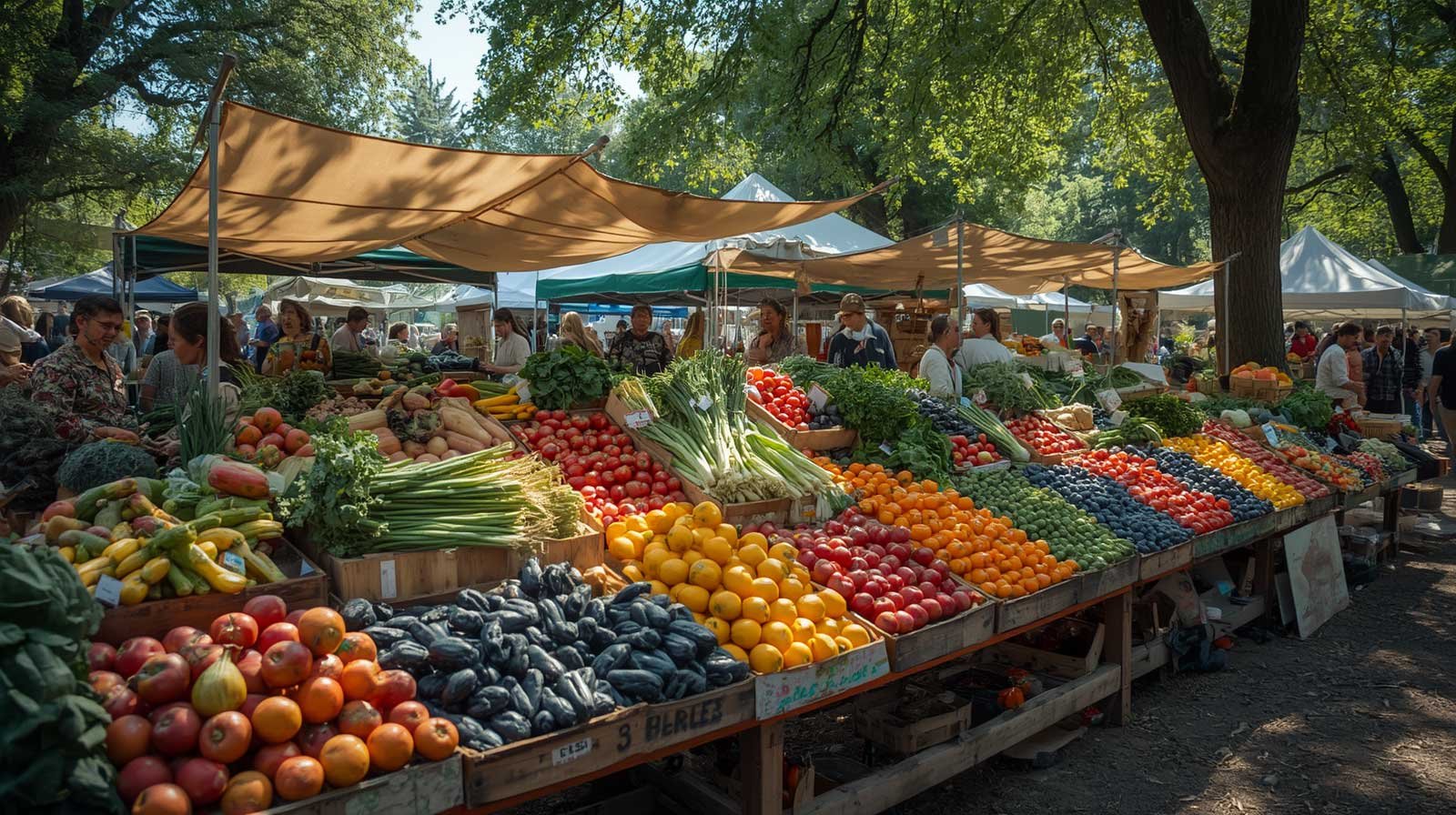
There’s something special about shopping at a farmers market. The tables are filled with fresh produce, baskets of colorful fruits and vegetables, and seasonal ingredients you might not usually pick up at the grocery store. You can talk to the people who grow your food, discover something new, and bring home ingredients that taste their best.
The trick is knowing what to look for when you visit. Some fruits and vegetables are at their best in the spring, while others shine in the middle of summer or during the cooler months of fall. Shopping with the seasons can help you find better flavor, make the most of your grocery budget, and plan meals around what’s fresh.
Whether you’re visiting a farmers market for the first time or you already have a favorite Saturday morning routine, this guide will help you know what to buy throughout the year, how to choose the best produce, and how to make the most of your market haul.
Why Shop at a Farmers Market?
Farmers markets are a great place to find fresh, seasonal ingredients. Since many vendors sell produce grown nearby, you may find fruits and vegetables that were harvested more recently than those shipped over long distances.
Shopping seasonally also encourages you to try ingredients you might otherwise overlook. Instead of buying the same produce every week, you can build meals around what’s naturally available.
Here are a few reasons to make farmers markets part of your regular shopping routine.
Better seasonal flavor: Fruits and vegetables picked when they’re ripe often have excellent flavor and texture.
A chance to discover new foods: You might find unusual tomato varieties, fresh herbs, heirloom carrots, or a fruit you’ve never cooked with before.
More flexible meal planning: When you shop according to what’s available, you can build simple meals around the ingredients that look best.
Support for local growers: Buying directly from farmers can help support agricultural businesses in your area.
Less packaging: Many markets sell loose produce, making it easier to bring your own bags and avoid unnecessary packaging.
Seasonal availability varies by location, climate, and growing methods. A spring market in a warm region may offer very different produce from one in a cooler climate. Use the following guide as a starting point, and ask local vendors what’s currently in season.
Spring Farmers Market Shopping Guide
Spring brings a welcome variety of tender greens, fresh herbs, crisp vegetables, and early fruits. After months of heavier winter meals, these ingredients are perfect for lighter lunches, fresh salads, and simple side dishes.
What to Buy in Spring
Asparagus: Look for firm stalks with tightly closed tips. Asparagus is delicious roasted with olive oil, added to pasta, or served alongside eggs.
Spinach: Fresh spinach works well in salads, omelets, soups, and quick sautés. Choose leaves that look crisp and vibrant.
Lettuce and salad greens: Spring is a wonderful time to make fresh salads with tender lettuce, arugula, and mixed greens.
Radishes: Choose radishes that feel firm and have smooth skin. Slice them into salads, serve them with dips, or roast them for a milder flavor.
Peas: Fresh peas are sweet and tender when harvested at the right time. Add them to risotto, pasta, rice dishes, or simple vegetable sides.
Strawberries: Depending on your region, spring may bring the first local strawberries of the year. Look for berries that are fragrant, plump, and free from mold.
Fresh herbs: Parsley, mint, dill, and chives can add a burst of flavor to everyday meals.
What to Cook with Spring Produce
Spring ingredients are easy to turn into simple meals without much cooking.
Try a spinach and strawberry salad with a homemade vinaigrette, roasted asparagus with lemon, or a bowl of pasta with peas and fresh herbs.
You can also make a spring vegetable frittata using eggs, spinach, peas, and whatever fresh herbs look good at the market.
Shopping tip: Tender greens and asparagus can lose freshness quickly. Plan to use them early in the week, and store them properly as soon as you get home.
Summer Farmers Market Shopping Guide
Summer is often the busiest season at farmers markets. Warm weather brings an abundance of juicy fruits, colorful vegetables, fresh herbs, and ingredients perfect for grilling.
If you enjoy making fresh salads, homemade salsa, fruit desserts, or simple dinners with seasonal produce, summer is a great time to explore your local market.
What to Buy in Summer
Tomatoes: Summer tomatoes are excellent for sandwiches, salads, sauces, and homemade salsa. Choose tomatoes that feel heavy for their size and have a pleasant, fresh aroma.
Sweet corn: Look for green husks that feel fresh and fit closely around the ears. Corn is delicious grilled, boiled, or added to salads.
Zucchini and summer squash: These vegetables are versatile and easy to prepare. Slice them for grilling, roast them with herbs, or add them to pasta.
Bell peppers: Choose peppers with firm skin and no soft spots. They’re great for salads, stir-fries, stuffed pepper recipes, and fajitas.
Cucumbers: Fresh cucumbers should feel firm and look evenly colored. Use them in salads, sandwiches, cold soups, and refreshing drinks.
Peaches and nectarines: Ripe stone fruits should have a sweet aroma and give slightly when gently pressed. Enjoy them fresh, grill them, or bake them into a simple dessert.
Berries: Blueberries, raspberries, blackberries, and strawberries are wonderful for breakfast bowls, smoothies, desserts, and snacks.
Melons: Depending on the variety, a ripe melon may have a sweet fragrance and feel heavy for its size. Ask the vendor for advice if you’re unsure how to judge ripeness.
Eggplant: Look for firm eggplants with smooth, shiny skin. Roast them, grill them, or use them in pasta and vegetable dishes.
What to Cook with Summer Produce
Summer produce makes it easy to prepare meals that are colorful and full of flavor.
Make a tomato and cucumber salad with fresh herbs, grill zucchini and bell peppers for a simple side dish, or prepare a corn salad with lime and cilantro.
For something sweet, slice ripe peaches over yogurt or make a quick berry crumble.
You can also turn extra tomatoes into fresh salsa or a simple tomato sauce for pasta.
Shopping tip: Summer markets can be hot, so bring an insulated bag if you have a long journey home. Keep delicate berries out of direct sunlight and refrigerate them promptly.
Fall Farmers Market Shopping Guide
Fall brings a different kind of abundance. Hearty vegetables, crisp apples, pears, winter squash, and root vegetables begin to take center stage.
These ingredients are perfect for comforting soups, roasted vegetable trays, warm salads, and cozy weekend baking.
What to Buy in Fall
Apples: Look for firm apples without large bruises or soft areas. Different varieties work well for different purposes. Crisp apples are great for snacking, while tart varieties can be excellent for baking.
Pears: Choose pears based on when you plan to eat them. Firm pears can ripen at home, while slightly soft pears may be ready to enjoy sooner.
Pumpkins and winter squash: Butternut squash, acorn squash, and pumpkins are useful for soups, roasted vegetables, curries, and baked dishes.
Sweet potatoes: Choose firm sweet potatoes without soft spots or signs of decay. Roast them, mash them, or add them to soups.
Carrots: Fresh carrots are naturally sweet and work well in salads, soups, stews, and roasted vegetable dishes.
Beets: Choose firm beets with smooth skin. Roast them, grate them into salads, or add them to grain bowls.
Broccoli and cauliflower: These vegetables are versatile enough for roasting, steaming, stir-frying, and making creamy soups.
Kale: Sturdy kale leaves are great for salads, soups, sautés, and roasted kale chips.
Cabbage: Look for heads that feel heavy and compact. Cabbage can be used in slaws, stir-fries, soups, and slow-cooked dishes.
What to Cook with Fall Produce
Fall ingredients are perfect for meals that can simmer on the stove while you get other things done.
Try a roasted butternut squash soup, a tray of caramelized carrots and sweet potatoes, or a warm salad with kale, apples, and toasted nuts.
You can also bake an apple crisp, make homemade pumpkin puree, or prepare a hearty vegetable stew with carrots, cabbage, and potatoes.
Shopping tip: Fall is a good time to buy sturdy produce for the week ahead. Root vegetables and winter squash can often be stored longer than delicate summer fruits, provided they’re kept in suitable conditions.
Winter Farmers Market Shopping Guide
Winter markets may have fewer varieties of fresh produce in some regions, but there are still plenty of ingredients worth bringing home.
Cool-season vegetables, citrus fruits, storage crops, and hardy greens can make winter meals both nourishing and flavorful. In warmer climates, you may find an especially wide range of fresh vegetables during the winter months.
What to Buy in Winter
Citrus fruits: Oranges, lemons, mandarins, and grapefruit are seasonal favorites in many regions. Choose fruits that feel heavy for their size and have firm skin.
Cabbage: Cabbage is an affordable, versatile vegetable that works in soups, stir-fries, slaws, and braised dishes.
Cauliflower: Look for compact heads with firm florets and minimal discoloration. Roast it with spices or use it in soups and curries.
Broccoli: Fresh broccoli should have firm stems and compact florets. Use it in stir-fries, pasta, roasted vegetable dishes, and soups.
Potatoes: Choose firm potatoes without soft areas, extensive sprouting, or green patches. Store them in a cool, dark, well-ventilated place.
Onions: Onions are useful in almost every kind of savory cooking. Choose firm bulbs with dry outer skins.
Carrots and beets: These root vegetables are great for soups, roasted sides, salads, and stews.
Leafy greens: Depending on your local climate, you may find spinach, kale, mustard greens, or other hardy leaves during winter.
Leeks: When available, leeks are excellent for soups, savory pies, and roasted vegetable dishes.
What to Cook with Winter Produce
Winter vegetables are perfect for warm, comforting meals.
Make a pot of cauliflower soup, roast potatoes and carrots with garlic, or prepare a cabbage and vegetable stir-fry.
Citrus fruits can brighten up winter salads, add flavor to homemade dressings, or become the base for a simple lemon cake.
You can also make a large batch of vegetable soup and freeze individual portions for busy days.
Shopping tip: Winter produce varies considerably by region. Ask vendors which vegetables are locally harvested rather than assuming everything on the table is grown nearby.
Seasonal Produce Shopping Guide at a Glance
Here’s a quick reference to help you plan your next farmers market visit.
| Season | Fruits to Look For | Vegetables to Look For | Best Uses |
|---|---|---|---|
| Spring | Strawberries, early berries | Asparagus, peas, spinach, radishes, lettuce | Fresh salads, frittatas, light pasta dishes |
| Summer | Peaches, berries, melons, plums | Tomatoes, corn, zucchini, cucumbers, peppers, eggplant | Salsa, grilled vegetables, salads, fruit desserts |
| Fall | Apples, pears, late-season grapes | Pumpkin, winter squash, carrots, beets, kale, cabbage | Soups, roasted vegetables, baking, stews |
| Winter | Oranges, mandarins, grapefruit | Potatoes, onions, cauliflower, broccoli, cabbage, hardy greens | Warm soups, casseroles, roasted sides, stir-fries |
This is a general guide rather than a strict calendar. Your local growing season may start earlier or later, and some crops are available for longer periods in warmer climates or through protected growing methods.
How to Choose the Best Produce at a Farmers Market
Knowing what’s in season is a great start, but learning how to choose fresh produce can make your shopping trip even better.
Look for Freshness, Not Perfect Shapes
Produce doesn’t have to look identical to what you see in grocery store displays.
A crooked carrot, oddly shaped tomato, or unusually small apple can still be delicious. Focus on freshness, firmness where appropriate, and the absence of significant damage or spoilage.
Ask Vendors What’s Best Right Now
One of the biggest advantages of shopping at a farmers market is the chance to talk directly with vendors.
Ask questions such as:
- What was harvested most recently?
- Which varieties are sweetest or most flavorful right now?
- How should I store this vegetable?
- Will this fruit ripen at home?
- What’s the best way to cook this ingredient?
Vendors often have practical suggestions for choosing, storing, and preparing their produce.
Buy According to Your Meal Plan
It’s easy to get carried away when everything looks fresh and colorful.
Before you shop, think about the meals you plan to make during the next few days. If you know you’ll be preparing pasta, for example, you might look for tomatoes, zucchini, herbs, and greens.
Buying with a loose meal plan helps prevent food waste while still leaving room for unexpected finds.
Compare Quality and Value
Farmers market prices can vary depending on the crop, vendor, location, and time of year.
Compare the freshness and quantity of produce rather than assuming every item will be cheaper than supermarket produce. Ask about different sizes, bundles, or quantities if you want to stay within a budget.
Near closing time, some vendors may offer discounts on remaining produce, although this isn’t guaranteed.
What Else Should You Buy at a Farmers Market?
Farmers markets often offer more than fresh fruits and vegetables. Depending on the market, you may find eggs, bread, cheese, honey, flowers, preserves, and other locally made products.
Here are a few items worth looking for.
Fresh eggs: If available, eggs can be useful for quick breakfasts, baking, and simple dinners. Follow the vendor’s storage instructions and local food-safety guidance.
Fresh bread: A loaf from a local baker can turn a simple vegetable soup into a satisfying meal.
Local honey: Honey can be used in tea, salad dressings, marinades, and baking.
Fresh flowers: A small bunch can brighten up your kitchen table and make your market visit feel special.
Homemade preserves: Jams, pickles, and chutneys can help you enjoy seasonal flavors beyond the growing season. Check ingredient labels and storage instructions.
Fresh herbs: Even if you’re shopping mainly for vegetables, a bunch of parsley, mint, basil, or cilantro can make simple meals taste more interesting.
Always check how products should be stored, especially when buying eggs, dairy products, meat, or other items that require temperature control.
How to Store Your Farmers Market Haul
Once you get home, a little preparation can help your purchases stay fresh longer.
Start by unpacking everything promptly. Separate produce that needs refrigeration from items that should ripen or be stored at room temperature.
Here are a few simple guidelines:
- Leafy greens: Keep refrigerated and dry, with a clean paper towel to absorb excess moisture.
- Fresh herbs: Store according to the variety. Some do well in a jar of water, while others last longer wrapped loosely in the refrigerator.
- Tomatoes: Leave unripe tomatoes at room temperature. Refrigerate fully ripe ones if you need extra storage time.
- Berries: Refrigerate them and remove any spoiled berries. Wash just before eating unless you can dry them thoroughly for storage.
- Root vegetables: Store suitable varieties in a cool, dark, well-ventilated place.
- Apples and pears: Store according to their ripeness and variety. Refrigeration can help slow ripening once they’re ready.
- Fresh bread: Keep it in a suitable bread container or freeze portions you won’t use soon.
- Cut produce: Refrigerate promptly in clean, covered containers.
Don’t wash every item automatically as soon as you get home. Washing can be convenient, but produce needs to be dried properly before storage to avoid excess moisture.
Common Farmers Market Shopping Mistakes to Avoid
Even experienced shoppers can bring home more produce than they can use.
A few small changes can make your visits easier and help reduce waste.
Buying too much because it looks good: Seasonal produce can be tempting, but start with amounts you know you’ll use. You can always buy more next week.
Ignoring the weather: On hot days, delicate produce can deteriorate quickly in a warm car. Bring insulated bags if necessary and head home promptly.
Skipping the vendor conversation: Asking what’s fresh or how to cook an unfamiliar ingredient can help you make better choices.
Assuming every item is locally grown: Markets may include local farms, regional suppliers, and other vendors. Ask where an item was grown if local sourcing matters to you.
Forgetting to plan storage: Delicate berries and greens may need to be used first, while some sturdy vegetables can wait. Organize your produce according to how quickly it needs attention.
Buying ingredients without knowing how to use them: If you’re trying a new vegetable, ask for a simple preparation idea or look up a recipe before buying a large quantity.
Final Thoughts
Shopping at a farmers market is a simple way to bring more variety and freshness into your kitchen. When you understand what’s in season, it’s easier to choose ingredients at their best, plan meals around what looks good, and make your grocery budget go further.
Start with familiar fruits and vegetables, then try something new each time you visit. Ask vendors for their recommendations, buy only what you can reasonably use, and store everything properly when you get home.
You don’t need to make a complicated meal plan or fill your bags with every seasonal ingredient. Sometimes, a few ripe tomatoes, a bunch of fresh herbs, and some crisp vegetables are all you need for a delicious meal.
The best farmers market shopping routine is one that fits your kitchen, your budget, and the way you enjoy cooking.