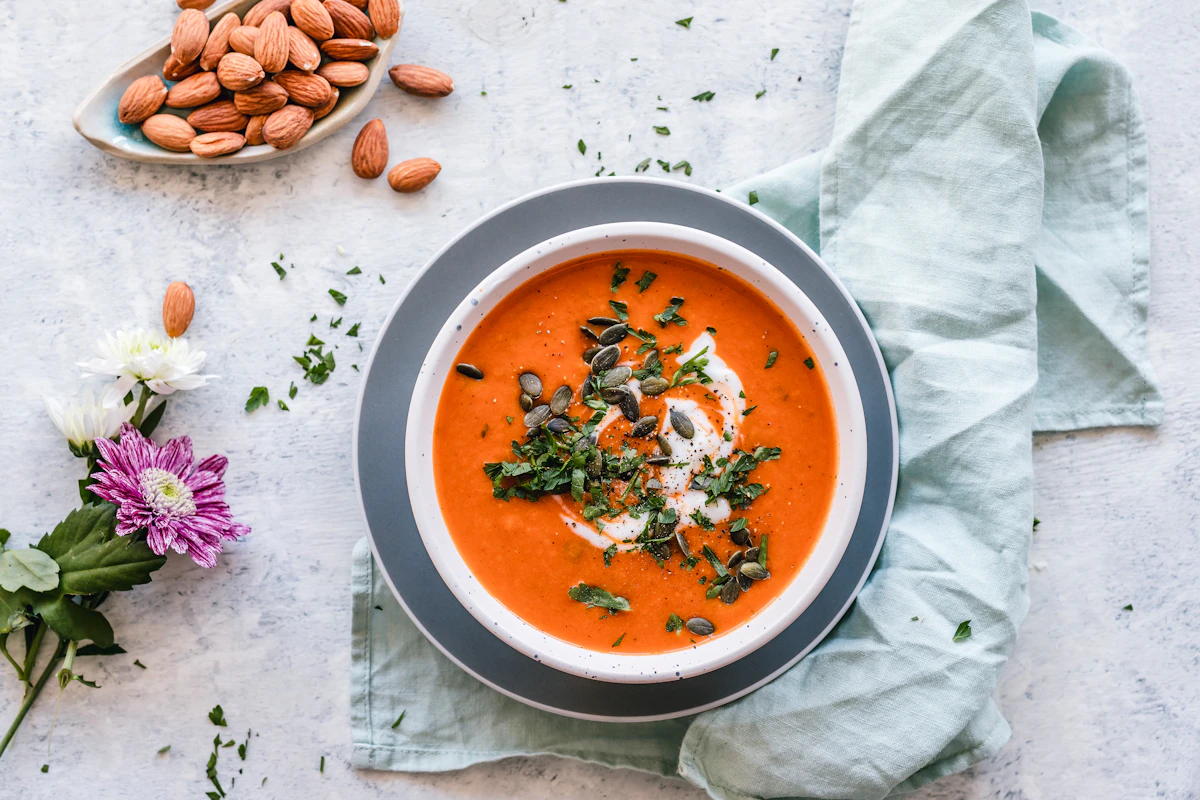
Few dishes in world gastronomy embody the soul of cucina povera (peasant cooking) quite as magnificently as Tuscan Ribollita. Born in the rolling hills of the Florentine countryside, where frugal farmhouse cooks could never bear to waste stale country bread or garden vegetables, this thick, hearty soup-stew is a celebration of humble ingredients elevated to timeless culinary greatness.
The Italian word ribollita translates literally to “reboiled.” Traditionally made on Fridays using leftover minestrone and day-old sourdough bread, the stew was simmered a second time on Saturday and Sunday, becoming thicker, richer, and more deeply satisfying with each passing day. Packed with creamy cannellini beans, dark Tuscan cavolo nero kale, sweet carrots, and crusty bread that melts into the broth, it is the quintessential cold-weather comfort food.
The Essential Components of an Authentic Ribollita
To capture the authentic rustic soul of Florence in your own kitchen, four elements are non-negotiable:
- Cavolo Nero (Lacinato or Dinosaur Kale): This dark blue-green Tuscan kale has crinkled, tender leaves that sweeten substantially with cooking and provide an earthy backbone.
- Creamy Cannellini Beans (Pureed and Whole): Half of the cooked white beans are pureed into a velvety cream to naturally thicken the stew, while the remaining beans stay whole for texture.
- Stale Rustic Sourdough Bread: Crusty, day-old artisan country bread is torn into chunks and layered into the stew. As it simmers, the stale bread drinks in the seasoned broth, thickening the stew until a wooden spoon can stand upright in the pot.
- Pungent Tuscan Olive Oil: The stew is finished with a generous pool of peppery, green extra-virgin olive oil swirled over each steaming bowl at the table.
Rich Tuscan Ribollita White Bean Bread Stew
Ingredients
16 itemsInstructions
9 steps-
01
Sauté the Soffritto: In a large, heavy Dutch oven or stockpot, heat 3 tablespoons of extra-virgin olive oil over medium heat. Add the diced onion, carrots, and celery with a pinch of salt. Sauté gently for 8 to 10 minutes until the vegetables are softened and golden around the edges. Add the minced garlic and chili flakes, stirring for 60 seconds until fragrant.
-
02
Add Greens and Tomatoes: Add the shredded Savoy cabbage, chopped Tuscan kale, and hand-crushed tomatoes. Stir well and cook for 5 to 6 minutes until the hearty greens begin to wilt down into the pot.
-
03
Puree Half the Beans: Take 1 1/2 cans of the cannellini beans (about half) and place them in a blender or food processor with 1 cup of the broth. Puree until completely smooth and creamy.
-
04
Simmer the Stew: Pour the pureed beans, the remaining whole cannellini beans, the remaining 4 cups of broth, the cheese rind, and the herb bundle into the Dutch oven. Stir to combine. Bring to a boil, then reduce heat to low, cover partially with the lid, and simmer gently for 25 to 30 minutes, allowing the vegetable flavors to deepen and harmonize.
-
05
Add the Bread (The Magic Step): Remove and discard the herb bundle and cheese rind. Season the broth generously with kosher salt and cracked black pepper. Stir the torn chunks of stale rustic bread directly into the pot, pressing them down with a spoon so they submerge completely into the simmering broth.
-
06
The Second Simmer: Cook uncovered over low heat for another 10 minutes, stirring occasionally. The bread will absorb the rich liquid, softening and thickening the stew into a luxurious, spoonable texture.
-
07
Serve in the Tuscan Style: Ladle the thick, steaming ribollita into wide, shallow earthenware bowls. Drizzle each bowl generously with a swirl of peppery extra-virgin olive oil, shower with freshly grated Parmigiano-Reggiano, and finish with a twist of black pepper.
Chef’s Notes
-
08
The Secret Parmesan Rind: Never throw away the hard rind when you finish a block of Parmigiano-Reggiano. Stored in your freezer, these rinds melt savory glutamates into simmering soups and stews.
-
09
Better the Next Day: True to its name (reboiled), Ribollita tastes even more profound after spending a night in the refrigerator. Reheat gently in a pot with a splash of water or olive oil.
Frequently Asked Questions
Can I make this soup gluten-free?
Yes. Simply substitute the traditional sourdough bread with stale slices of a sturdy gluten-free rustic artisan loaf, or stir in cooked gluten-free polenta during the final ten minutes.
Can Ribollita be frozen?
It freezes moderately well, but bread can turn somewhat mushy upon thawing. If planning to freeze, freeze the bean and vegetable stew *before* adding the bread. When reheating from frozen, simply stir fresh stale bread into the simmering soup!