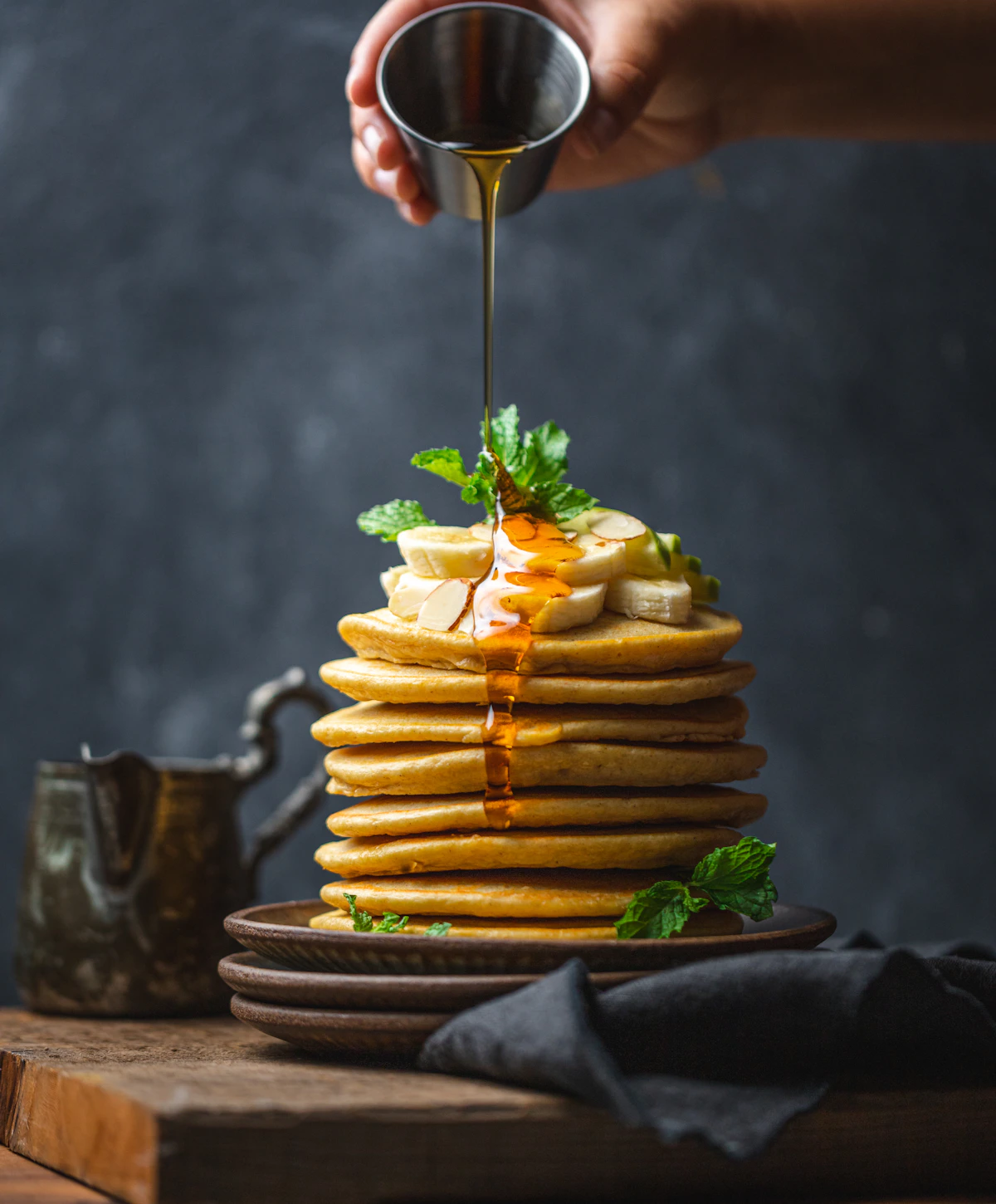
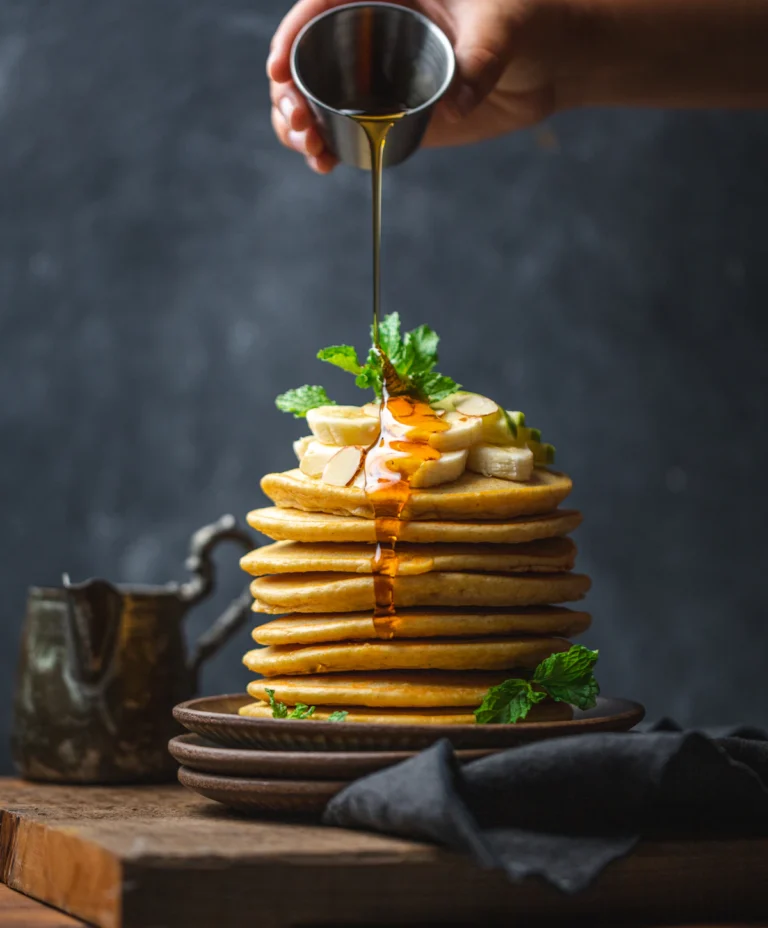
There are few brunch centerpieces quite as dramatically theatrical as a freshly baked Dutch baby pancake. Pulled piping hot from a blistering oven, the batter billows upward into dramatic, craggy golden peaks that climb high above the cast iron rim, creating an airy, crispy rim that yields to a custardy, tender center bursting with sweet, bubbling blueberries.
Despite its name, the Dutch baby is not Dutch at all, but an American derivation of the German pancake (Pfannkuchen), popularized in Seattle diners in the early twentieth century. What makes it an absolute dream for the home cook is its effortless simplicity: no standing over a smoking griddle flipping individual pancakes. You simply whirl simple pantry ingredients in a blender for thirty seconds, pour into a sizzling pool of melted butter, and let the oven do all the miraculous work.
The Physics of the Dramatic Dutch Baby Rise
A Dutch baby uses zero baking powder or baking soda. Its gravity-defying puff relies purely on physical steam leavening, much like French popovers or Yorkshire pudding. Understanding three key steps ensures a towering, golden rise:
- Room Temperature Eggs and Milk: Cold dairy slows the rapid expansion of steam. Ensure your eggs and whole milk are at room temperature (or place cold eggs in warm water for 5 minutes) before blending.
- Preheating the Cast Iron Skillet: The skillet must be blazing hot inside a 425°F (220°C) oven before the batter touches it. The intense initial thermal shock instantly sets the bottom crust and forces the liquid batter to ride up the sizzling, buttered walls.
- Blender Aeration: Blending the batter on high speed for 30 to 45 seconds aerates the eggs and develops enough gluten structure to support the trapped steam as it expands.
Golden Blueberry Dutch Baby Pancake
Ingredients
13 itemsFor the Blender Batter
For the Skillet & Topping
Instructions
8 steps-
01
Preheat Oven and Skillet: Place a 10-inch heavy cast iron skillet on the center rack of your oven. Preheat the oven to 425°F (220°C). Allow the skillet to heat inside the oven for at least 20 minutes so the iron is thoroughly saturated with heat.
-
02
Blend the Batter: In a blender, combine eggs, whole milk, flour, sugar, vanilla extract, lemon zest, salt, and nutmeg. Blend on high speed for 30 to 45 seconds until completely smooth, frothy, and aerated. Let the batter rest in the blender jar for 10 minutes at room temperature while the skillet finishes preheating.
-
03
Melt the Butter: Using heavy oven mitts, carefully remove the hot skillet from the oven and set it on the stovetop. Immediately drop the 3 tablespoons of butter into the pan. Swirl the skillet gently as the butter melts, foams, and coats the entire bottom and up the inner sides of the pan.
-
04
Pour and Add Blueberries: Give the rested batter a quick 5-second pulse. Pour the batter immediately into the center of the sizzling butter. Scatter the fresh blueberries evenly over the surface (they will sink into the custardy batter).
-
05
Bake Undisturbed: Carefully return the skillet to the 425°F oven. Bake for 18 to 22 minutes without opening the oven door (opening the door releases steam and can cause premature deflation). The edges should rise dramatically, turning deep golden brown and crisp, while the center puffs and settles into a tender custard.
-
06
Garnish and Serve: Remove from the oven. The pancake will be majestically puffed and will gently settle within a few minutes. Immediately shower generously with powdered sugar through a fine sieve and squeeze fresh lemon juice over the top. Slice into wedges and serve warm with maple syrup.
Chef’s Notes
-
07
Do Not Peek: Resist opening the oven door for the first 16 minutes! The sudden rush of cooler air will collapse the delicate steam pockets before the egg protein walls have fully set.
-
08
Fresh vs. Frozen Berries: Fresh blueberries work best because frozen berries release excess cold juice that can weigh down the batter and create a gummy center.
Frequently Asked Questions
Can I make this in a baking dish instead of cast iron?
Yes. A 9- or 10-inch round ceramic or glass pie dish can be substituted. Preheat the dish in the oven just like the cast iron skillet before melting the butter and pouring in the batter.
Can this recipe be doubled?
To serve a larger crowd, double the batter ingredients and bake in a 12-inch cast iron skillet (or two 10-inch skillets simultaneously), adding 2 to 3 minutes to the bake time.
Storage
A Dutch baby is best eaten immediately straight from the oven while the edges are crispy and the center is warm custard. Leftovers can be kept in the refrigerator for up to 2 days; reheat in a 350°F oven for 5 minutes.