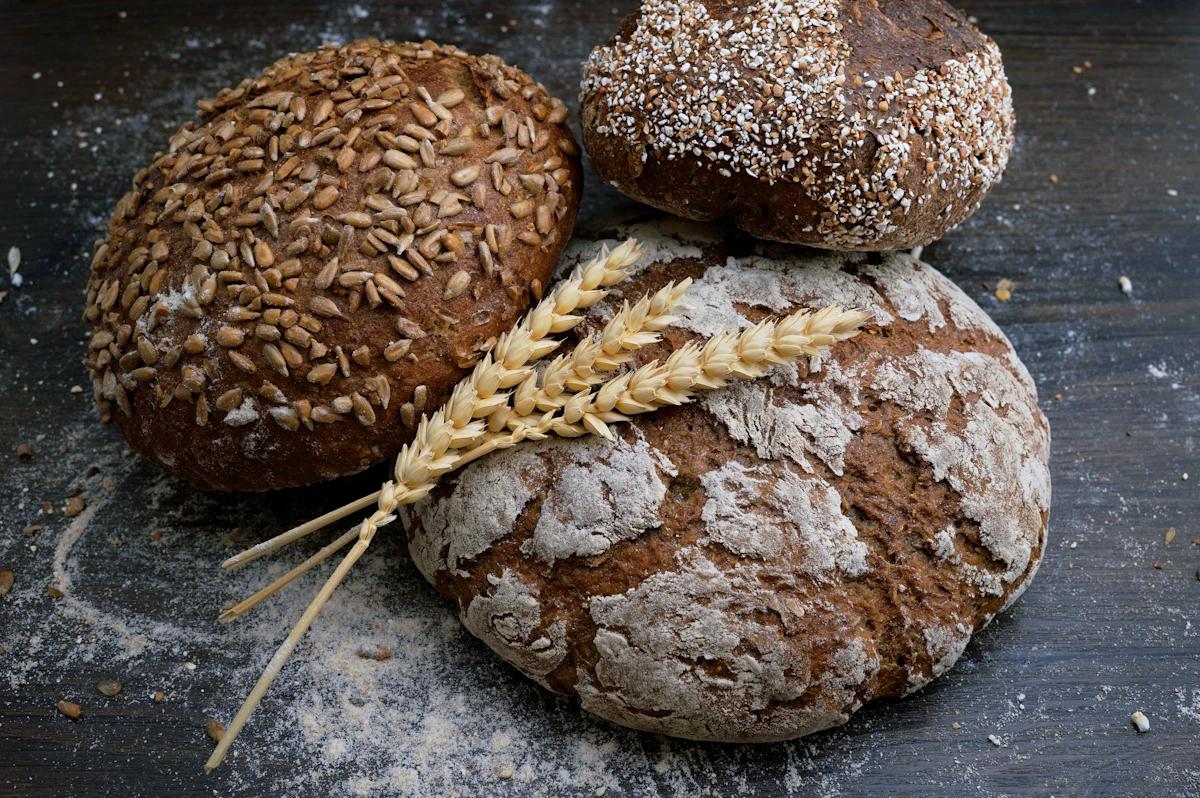
In our hyper-connected, high-speed digital lives, our minds are constantly pulled in a dozen directions at once. Notifications ping, deadlines press, and hours slip past behind glowing glass screens. Yet when you step into the quiet sanctuary of the kitchen, dust your palms with unbleached flour, and lay hands upon living dough, the relentless noise of the outside world suddenly falls silent.
Working with sourdough is not merely a method for baking bread; it is an ancient practice of tactile mindfulness. It forces you to slow down and anchor your awareness entirely in the present moment. Dough cannot be rushed by checking an email or accelerated with artificial shortcuts. It demands patience, intuition, and sensory presence.
The Sensory Language of Living Dough
Unlike commercial breads pushed with quick-acting chemical leaveners and commercial dry yeast, a sourdough loaf is alive. It is an ecosystem of wild lactobacilli and natural yeasts harvested from the air, the flour grain, and your own kitchen environment. When you knead and stretch dough, you are communicating through touch:
- The Sense of Touch: At first, the shaggy mass of flour, water, and starter feels sticky, clumsy, and uneven. As your palms press, fold, and roll, you feel the microscopic strands of gluten proteins (gliadin and glutenin) align, knit together, and strengthen. The dough transforms beneath your hands from a rough mixture into a smooth, supple, satin-like organism.
- The Sense of Smell: Close your eyes while kneading. Notice how the scent shifts from the raw, dusty grain of newly milled wheat to a complex, tangy bouquet of lactic fermentation, ripe apples, and sweet honeyed malt.
- The Sense of Sound: Listen to the soft, rhythmic slap of dough against the wooden board, the gentle sigh of trapped air bubbles yielding under your knuckles, the quiet breath of fermentation taking root.
The Practice of the Mindful Baker: Four Daily Rituals
1. Feeding the Starter as a Morning Meditation
Begin your day before checking digital screens. Open your sourdough starter jar. Observe the rise, the bubbling honeycomb structure, the tangy aroma of live culture. Discard a portion, measure fresh flour and pure spring water, and stir rhythmically with a wooden spatula until smooth. This small, dedicated act takes only two minutes, yet it reminds you that life thrives through daily, quiet nourishment.
2. The Gentle Art of “Stretch and Fold”
In modern artisan baking, aggressive mechanical punching has largely given way to the gentle ritual of the stretch-and-fold. Every thirty minutes during the first two hours of bulk fermentation, moisten your fingertips with cool water, reach beneath the dough, lift one quadrant skyward until you feel resistance, and fold it gently across the top. Rotate the bowl and repeat three times.
This mindful pause every half hour acts as a natural breathing space throughout your morning. It breaks you away from your desk, grounds your body, and reconnects you with physical creation.
3. Cultivating Patience with Natural Fermentation
We live in an age of instant gratification where same-day delivery and instant answers have eroded our tolerance for waiting. Sourdough is the ultimate antidote. A loaf cannot be forced. If the kitchen is cool, it asks for twelve hours; if warm, it asks for six. Learning to honor the dough’s internal timeline rather than imposing your own schedule teaches profound humility and surrender to natural cycles.
4. The Generosity of Breaking Bread
Bread was never meant to be baked and hoarded in solitude. The Latin roots of the word companion—com (together) and panis (bread)—literally mean “those with whom you share bread.” When your loaf emerges from the hot Dutch oven singing with crackles, cooling on the wire rack, you hold something born of earth, water, air, time, and human love. Slicing that golden, blistered crust and handing a warm, buttered piece to someone you love completes the sacred circle of nourishment.
How to Begin Your Bread Meditation This Weekend
If you have never baked sourdough before, do not be intimidated by technical baking percentages or elaborate gear. You need only flour, water, salt, and your two hands. Set aside a quiet Saturday morning. Turn off your phone, put a kettle on for tea, open a window to let in the morning breeze, and allow yourself the simple, life-affirming gift of making bread by hand.