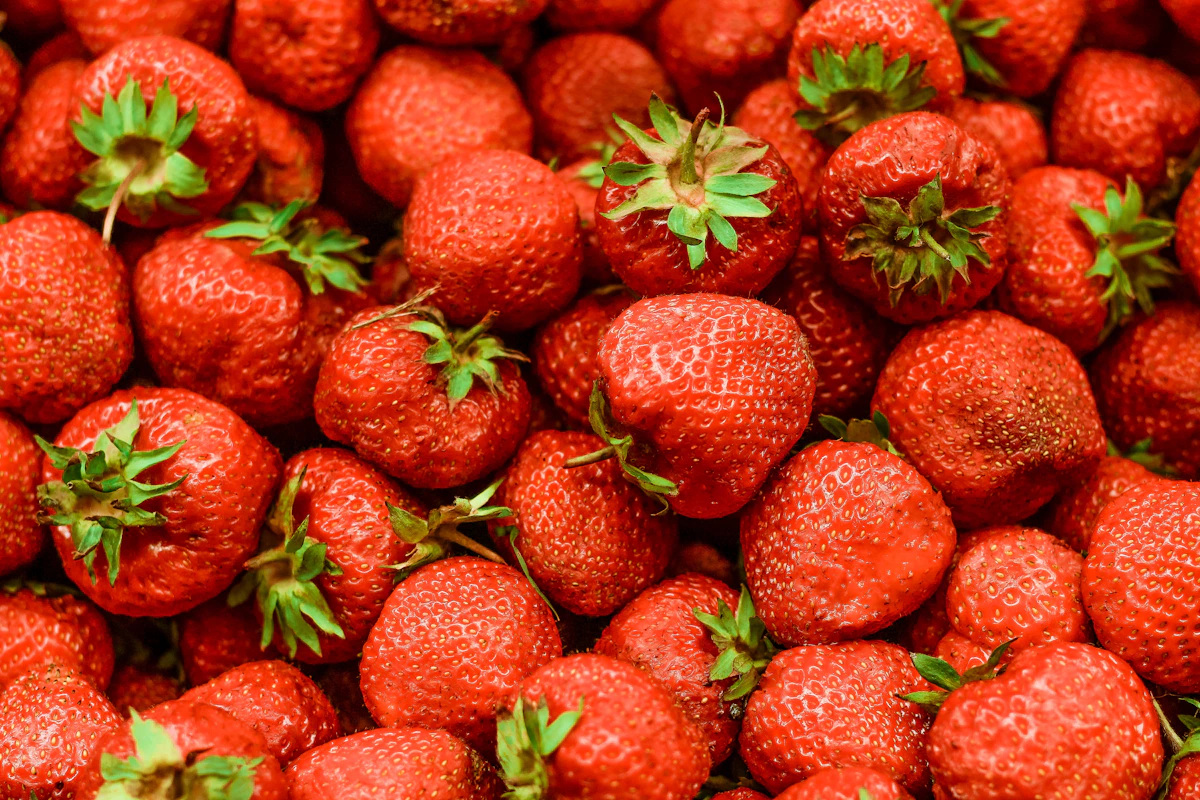
There are few sensory pleasures in gardening quite as rewarding as stepping onto a sunny morning porch, parting lush green serrated leaves, and plucking a warm, sun-ripened strawberry that bursts with fragrant sweetness. Commercial grocery store strawberries are bred primarily for tough skins and long refrigerated shipping times, sacrificing delicate sugars and floral aroma. Growing your own is the only way to experience what a strawberry is truly meant to taste like.
You do not need sprawling farm acres or dedicated fruit orchards to grow an abundance of delicious berries. Strawberries possess compact, shallow root systems that make them one of the most successful, high-yielding crops for small spaces—including terracotta strawberry planters, hanging baskets, balcony window boxes, and raised garden beds.
Choosing the Right Variety: June-Bearing vs. Everbearing
The first critical decision in container strawberry gardening is selecting the variety suited to your lifestyle and space:
- June-Bearing Strawberries: These plants produce one massive, concentrated harvest of large, exceptionally sweet berries over a 3 to 4-week window in early summer. Varieties like Honeoye and Jewel are ideal if you plan to make strawberry jam, shortcakes, and preserves all at once.
- Everbearing & Day-Neutral Strawberries: These varieties produce smaller waves of berries continuously from late spring all the way until the first hard frost of autumn. Varieties like Seascape, Albion, and Mara des Bois are the premier choice for patio containers, offering a steady handful of sweet snacks every single morning.
- Alpine Strawberries (Wild Strawberries): Tiny, exquisitely fragrant berries that do not produce spreading runners. Varieties like Alexandria grow in neat clumps and thrive even in partial morning shade, making them sensational for balcony edging.
Key Requirements for Container Strawberry Success
1. Sunlight: The Sweetness Engine
Strawberries require a minimum of 6 to 8 hours of direct, unfiltered sunlight daily. Sunlight drives photosynthesis, which produces the natural fructose that makes home-grown berries taste like candy. Place your planters on your sunniest south- or west-facing patio, deck, or windowsill.
2. The Golden Rule of Planting: Protect the Crown
The most common beginner mistake with strawberries is improper planting depth. Look closely at your strawberry plant: the thickened central stem between the roots and the emerging leaf stems is called the crown.
- If you bury the crown under soil, it will quickly rot and kill the plant.
- If you plant it too shallow, exposing the roots to dry air, the plant will wither.
- The Sweet Spot: Plant so the soil line rests precisely at the midpoint of the crown, with all roots fanned out and covered, while the emerging green leaves sit entirely above ground.
3. Container Selection and Drainage
Strawberries despise “wet feet.” Any container you choose must feature generous drainage holes. Ideal container options include:
- Terracotta Strawberry Pots: Traditional urns with multiple side pockets allow plants to cascade outward while optimizing vertical space.
- Fabric Grow Bags: 5- to 10-gallon fabric bags provide superb root aeration and prevent roots from circling.
- Hanging Baskets: Keeps the fruit elevated away from crawling garden pests, snails, and soil-borne fungal spores.
4. Soil and Feeding
Use a premium organic potting mix enriched with aged compost, perlite for drainage, and coconut coir to retain balanced moisture. Container soil leaches nutrients quickly with regular watering. Feed your container strawberries every two weeks with a diluted organic liquid seaweed and fish emulsion fertilizer rich in potassium to support vigorous flower and berry formation.
5. Pruning Runners for Maximum Fruit
During summer, strawberry plants produce long, vine-like tendrils called runners (stolons). In small space containers, the mother plant should direct all her photosynthetic energy into fruit production rather than vegetative spreading. Snip off runners with clean garden shears as soon as they emerge. (If you wish to propagate new plants, let one runner root into a small adjoining pot of soil before severing the cord!)
Protecting Your Harvest from Garden Thieves
Birds, squirrels, and chipmunks love ripe strawberries just as much as humans do. The moment your berries turn from pale white to blushing pink, predators take notice. Protect your small-space crop with these simple defenses:
- Fine Bird Netting: Drape lightweight mesh netting over hoops or stakes so it doesn’t touch the berries directly.
- Red “Decoy” Painted Stones: A charming old gardeners’ trick: paint small round pebbles bright red and place them in your strawberry pots a few weeks before the berries ripen. Birds will peck the hard stones, decide strawberries are inedible, and leave the real fruit alone when it ripens!
Winterizing Container Strawberries
Strawberries are cold-hardy perennials, but roots in containers are more vulnerable to freezing winter winds than plants in the ground. When freezing temperatures approach in late autumn:
- Prune away dead or browning foliage, leaving healthy green center leaves.
- Mulch the crown heavily with clean, seed-free straw or dry autumn leaves.
- Move pots to a sheltered location against a south-facing exterior house wall, into an unheated garage, or bury the entire pot in garden soil to insulate the root ball until spring.
Frequently Asked Questions
How many strawberry plants should I put in one container?
Allow approximately 8 to 10 inches of space between strawberry plants. A standard 12-inch wide hanging basket comfortably holds 3 plants, while a 5-gallon container accommodates 4 to 5 plants.
When are home strawberries ready to harvest?
Harvest when the berry is completely red all the way to the stem cap. Once picked, strawberries do not ripen further off the vine. Snip the stem with scissors or pinch with your thumbnail about 1/2 inch above the fruit to avoid bruising.