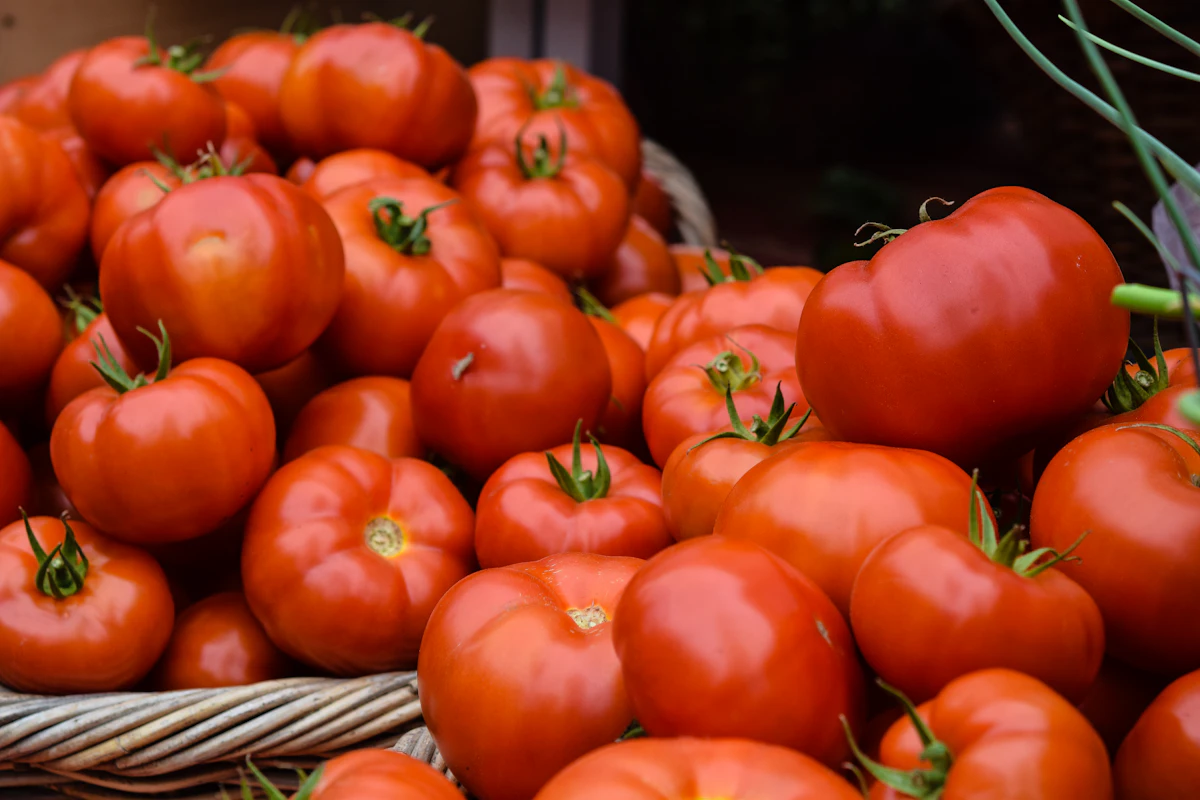
There is a defining moment every summer that reminds home gardeners why they dedicate months of labor to tending vegetable beds: the first bite of a sun-warmed, vine-ripened heirloom tomato. Unlike supermarket commercial hybrids—bred specifically for uniform shape, thick skins to survive interstate shipping, and a long refrigerated shelf life at the complete expense of flavor—heirloom varieties are treasured culinary heirlooms passed down through generations solely for their extraordinary, complex taste.
From the rich, smoky, wine-like depth of a Cherokee Purple to the tropical, candy-like sweetness of a golden Sun Gold or the luscious, meaty slices of a Brandywine, heirloom tomatoes represent the pinnacle of summer eating. Yet heirlooms can sometimes be finicky, prone to cracking, blossom end rot, and fungal blights if improperly managed. With a few time-tested organic gardening techniques, you can guide your vines to produce armfuls of deeply sweet, aromatic fruit all summer long.
Why Heirloom Tomatoes Taste Superior
The secret behind an heirloom’s legendary flavor lies in genetics and sugar-acid balance:
- Complex Sugar-Acid Ratio: Commercial grocery tomatoes are bred with low acidity to prevent bruising, resulting in flat, watery flavor. Heirlooms maintain high natural sugars balanced by lively organic acids, producing a profound multidimensional taste.
- High Volatile Oil Concentrations: Heirlooms produce hundreds of aromatic volatile compounds that enter your olfactory system as you chew, creating that nostalgic “real tomato” aroma.
- Open-Pollinated Seed Integrity: Heirlooms are open-pollinated varieties that have bred true for at least fifty years, preserving distinct genetic heritage and regional culinary traits.
Top Heirloom Varieties for Unrivaled Flavor
If you are planning your garden beds, start with these undisputed flavor champions:
- Cherokee Purple: Originating with the Cherokee Nation in the 19th century, this dusky, purplish-brick heirloom produces large beefsteaks with an intense, rich, complex smoky-sweet flavor.
- Brandywine (Sudduth’s Strain): Considered the gold standard of heirloom beefsteaks. Large pink fruits with potato-leaf foliage, offering an exquisitely rich, old-fashioned, wine-like sweetness.
- Black Krim: Hailing from the Black Sea of Russia, this medium dark tomato has green shoulders and a bold, savory, slightly salty umami profile.
- Green Zebra: Striking emerald green with amber stripes, offering a mouthwatering, brisk, tangy acidity that balances sweet salads.
- Sun Gold (Hybrid/Heirloom Companion): While technically an F1 hybrid, this legendary orange cherry tomato yields the highest Brix (sugar) rating in the tomato world—pure candy on the vine.
Five Rules for Maximum Tomato Sweetness
Follow these horticultural principles to maximize sugar synthesis in your fruit.
1. Plant Deep for Massive Root Systems
Tomatoes are unique in their ability to sprout adventitious roots from anywhere along their stem. When transplanting seedlings into the garden, pluck off the lower leaves and bury two-thirds of the plant deep in the soil, leaving only the top cluster of leaves above ground. The buried stem will grow a massive, deep root network capable of mining water and minerals during midsummer heatwaves.
2. Unfiltered Sunshine is Sugar
Tomatoes manufacture sugar through photosynthesis in their leaves. Plant your tomatoes in the absolute sunniest spot on your property, where they will receive at least 8 hours of direct, unobstructed sunlight daily. Less light directly correlates to lower sugar content in the ripening fruit.
3. Consistent Moisture Prevents Blossom End Rot
Blossom end rot (the unsightly black, sunken leather spot on the bottom of tomatoes) is not caused by a lack of calcium in the soil; it is caused by inconsistent watering that prevents the plant from transporting calcium to the developing fruit. Water deeply at the base of the plant early in the morning, and apply a 3-inch blanket of straw mulch to keep soil moisture uniform.
4. Prune Suckers for Airflow and Fruit Size
Indeterminate heirlooms will grow into unmanageable, sprawling jungles if neglected. Prune the “suckers”—the small diagonal shoots that sprout in the 45-degree crotch between the main stem and a leaf branch. Keeping the plant trained to one or two main stems improves airflow, drastically reduces fungal blight, and concentrates solar energy into larger, sweeter fruit.
5. Restrict Water During Ripening (“Dry Farming”)
The single best-kept secret of artisan tomato farmers is to cut back on watering once the fruits begin to turn color. If you flood a tomato plant with water while the fruit is ripening, the plant pumps excessive water into the fruit, diluting its sugars and causing the skins to burst open. By tapering off water as fruits blush, you concentrate the sugars and acids, resulting in intensely sweet, jammy tomatoes.
The Cardinal Rule: Never Refrigerate!
Once you harvest your beautiful heirloom tomatoes, follow this non-negotiable kitchen rule: Never put fresh tomatoes in the refrigerator!
Temperatures below 55°F (13°C) permanently deactivate the enzymes responsible for synthesizing aroma volatiles, turning the flesh mealy, dry, and tasteless. Store fresh heirlooms stem-side down on your kitchen counter at room temperature away from direct sunlight, and eat within three to four days of harvest.